Determining the best price for pesticides is essential for both farmers and distributors. Understanding market dynamics is crucial. According to the latest report from the USDA, pesticide sales in the U.S. reached $15.3 billion in 2021. This indicates a significant market that requires informed pricing strategies. Price pesticide effectively is vital for maintaining profitability in agriculture.
Moreover, factors like regional demand, crop type, and competition greatly influence pricing. Farmers must consider these elements when selecting products. The complexity of pricing in the pesticide market often leads to confusion. Not every commercial pesticide offers the best value. Reports indicate that more than 30% of farmers feel uncertain about pricing decisions.
This uncertainty can hurt productivity and profit margins. With the right approach, addressing these challenges becomes possible. Establishing a clear pricing strategy leads to better business outcomes. However, continuous market research is essential. The use of historical pricing data and current market trends can help establish fair prices. Understanding the true cost of price pesticide is fundamental for success.
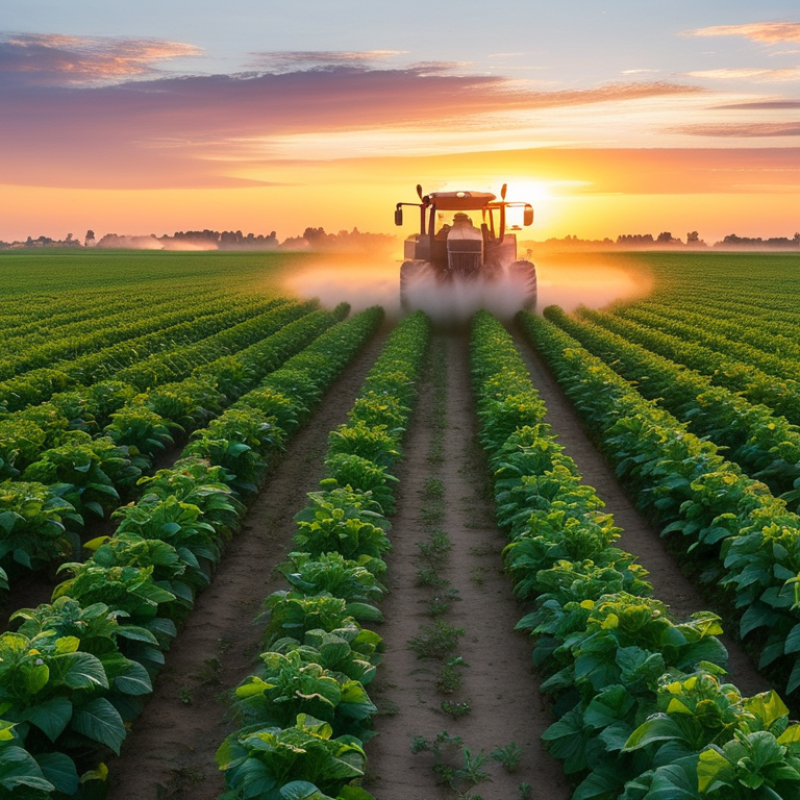
The price of pesticides can vary significantly. Several factors influence these prices. Understanding these factors is essential for smart purchasing decisions in the agricultural sector.
Raw material costs play a crucial role in determining the final price. Reports indicate that fluctuations in the prices of chemical components, such as active ingredients, can lead to increased pesticide costs. When petroleum prices rise, the cost of synthetic pesticides often follows suit. A recent analysis showed that a 10% increase in crude oil prices could raise pesticide costs by around 5%.
Regulatory changes also impact pricing. New environmental regulations may impose additional costs on manufacturers. These adjustments are often passed down to farmers. Moreover, market demand affects prices. Regions with high agricultural output may experience competitive pricing, while areas with limited supply face higher costs. A study showed that pesticide prices in high-demand regions can reach up to 30% more than in other areas. This disparity underscores the need for farmers to stay informed about local market conditions and regulatory environments.
Understanding the best price for pesticides is crucial for farmers and distributors. Conducting market research effectively is key. Industry reports indicate that pesticide prices can vary significantly based on region, supply chain factors, and product efficacy. According to a 2021 report by the International Fertilizer Association, regional pricing discrepancies can reach up to 30%. This highlights the importance of localized market analysis.
In-depth surveys and competitor pricing assessments are valuable methods. Farmers can analyze their local markets to identify average prices. Gathering feedback directly from other farmers offers insight into what they are willing to pay. Online databases and industry bulletins can provide a wealth of historical data. Engaging in discussions with agronomists may reveal pricing trends that affect your area.
Understanding that price is not just about undercutting competitors is essential. Quality matters. It may be tempting to reduce prices to attract customers, but this can harm perceived value. Consider the balance between quality and cost. Ensure your research accounts for specific local needs. Adapting to local conditions and compliance with regulations can guide pricing decisions.
Understanding the price variances in pesticides across different regions is crucial for farmers. Factors like local regulations, shipping costs, and market demand play a significant role. Prices can differ widely; rural areas often have lower prices due to direct supply chains. However, remote locations may face higher costs because of limited access.
When comparing pesticide prices, it is essential to consider the source. Local co-ops or agricultural extensions can provide valuable insights. Farmers should gather data from various suppliers and analyze it critically. Always be cautious about price fluctuations influenced by seasonal demands.
Be aware that price does not always reflect quality. Some lower-priced pesticides may be effective, while higher-priced options do not guarantee superior results. It’s beneficial to sample products before making large purchases. Engaging with other farmers can offer practical perspectives. They can share experiences regarding effectiveness and cost, helping make informed decisions. Always stay updated with market trends to adjust purchasing strategies effectively.
Understanding the pesticide supply chain is crucial for determining the best price. It involves many steps, from production to distribution. Each stage adds costs, affecting the final price. Farmers depend on a reliable network to receive quality products at fair prices. If any link in the chain is weak, prices can surge unexpectedly.
Manufacturers play a key role in shaping prices. They source raw materials and handle production. Fluctuations in material costs can directly impact pesticide pricing. Additionally, distribution logistics can introduce further expenses. Delays or inefficiencies in delivery can skew pricing strategies. Suppliers must be agile and transparent in these dynamic markets to maintain competitiveness.
It's essential to analyze demand in regional markets. Understanding local agricultural practices helps predict pesticide needs. Overproduction can lead to price drops, while scarcity often drives prices up. Farmers must navigate this landscape carefully. Their decisions and buying patterns can influence the overall market. Reflecting on these factors can lead to better pricing strategies and improved profitability in the long run.
Negotiating pesticide prices requires strategic preparation. A recent report from the Agricultural Price Association indicates that prices fluctuated by over 15% in the past year due to supply chain issues. Understanding market trends can bolster your negotiating position.
Research is crucial before entering negotiations. Gather data from multiple sources about prevailing prices. Sharing insights from recent studies shows suppliers that you are informed. This can lead to more favorable terms. Industry experts suggest presenting competitors' pricing as leverage. Highlighting alternative options can motivate suppliers to offer better deals.
Building a rapport with suppliers also matters. Foster long-term relationships to create trust. Open communication can lead to bulk purchase discounts or loyalty incentives. Remember, every negotiation might not yield ideal results. Reflecting on past negotiations can highlight areas for improvement. Consider what worked and what didn’t to refine your approach. By analyzing different strategies, you'll become a more effective negotiator in the pesticide market.
| Supplier | Product | Base Price (per liter) | Discount (%) | Final Price (per liter) |
|---|---|---|---|---|
| Supplier A | Herbicide X | $150.00 | 10% | $135.00 |
| Supplier B | Insecticide Y | $120.00 | 5% | $114.00 |
| Supplier C | Fungicide Z | $200.00 | 15% | $170.00 |
| Supplier D | Pesticide W | $175.00 | 12% | $154.00 |
: Pesticide pricing is influenced by raw material costs, regulatory changes, and market demand.
Changes in chemical component prices, like active ingredients, significantly impact the final pricing of pesticides.
A 10% increase in crude oil prices can raise pesticide costs by about 5%.
New environmental regulations can increase manufacturing costs, which are often transferred to farmers.
In high agricultural output regions, prices may be competitive, while limited supply areas often see increased costs.
Conducting surveys and competitor pricing assessments helps farmers gauge local market prices effectively.
Each stage in the supply chain, from production to distribution, contributes to costs that affect final pricing.
By analyzing local agricultural practices and market demand, farmers can better assess their pesticide needs.
Balancing quality with cost is crucial, as undercutting prices can lead to reduced perceived value.
Their decisions can impact pricing trends within their regions, making awareness important for better profitability.
Determining the best price for pesticides involves understanding various factors that influence pricing, including production costs, demand fluctuations, and regulatory factors. Conducting thorough market research is essential, utilizing methods such as surveys and competitor analysis to gather data on prevailing market rates. By comparing pesticide prices across different regions, stakeholders can identify pricing trends and variations that may affect their purchasing decisions.
Additionally, understanding the pesticide supply chain is crucial, as factors like transportation, storage, and distribution costs play a significant role in final pricing. Effective negotiation strategies with suppliers can also lead to more favorable pricing outcomes. By effectively analyzing these elements, buyers can make informed decisions and secure the best price pesticide for their agricultural needs.

Awiner Biotech