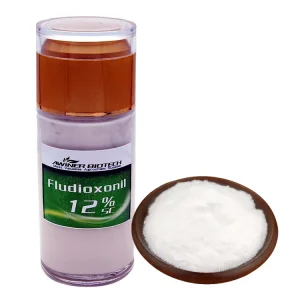
Explore our enterprise-grade fungicide portfolio manufactured under stringent ISO 9001 and FAO quality standards. Direct wholesale pricing for international distributors and agricultural conglomerates.
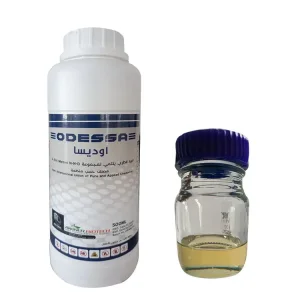
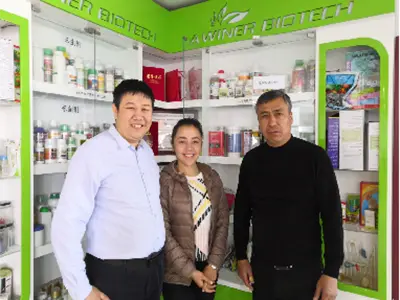
Awiner Biotech was founded in 2006, located in the northern chemical manufacturing hub of Shijiazhuang, Hebei Province, China. Positioned in close proximity to the national capital, Beijing, our strategic geographical location ensures seamless logistics, efficient export processing via Tianjin Port, and immediate connectivity with international regulatory bodies.
As a fully integrated chemical enterprise, Awiner Biotech is dedicated to the research, advanced formulation synthesis, quality control, and global distribution of high-efficiency crop protection solutions. Our comprehensive catalog encompasses systemic and contact fungicides, selective and non-selective herbicides, technical insecticides, plant growth regulators (PGRs), and public health pesticides.
With nearly two decades of agronomic experience, our technical team collaborates with agricultural engineers, commercial growers, and institutional tenders worldwide to mitigate crop loss caused by fungal pathogens, boost crop yield stability, and deliver sustainable agrochemical economics.
The global agricultural fungicide sector is experiencing unprecedented structural shifts driven by escalating climate volatility, shifting pathogen dynamics, stringent maximum residue limits (MRLs), and the urgent imperative for anti-resistance strategies. Modern crop management requires detailed understanding of active ingredient chemistry, mode of action (MoA), and strategic co-formulation to safeguard yield potential across arable land.
1. FRAC Resistance Management: Increasing prevalence of target-site mutation in Ascomycetes and Basidiomycetes requires multi-site contact partners (e.g., Mancozeb, Chlorothalonil, Copper Oxide) combined with single-site systemic actives (e.g., Azoxystrobin, Tebuconazole).
2. Regulatory Shifts & MRL Compliance: Stringent European Union and US EPA residue threshold enforcement pushes global importers toward cleaner formulations with optimized half-lives and reduced biological persistence.
3. Transition to High-Efficiency Formulations: Traditional Wettable Powders (WP) are rapidly yielding market share to Water Dispersible Granules (WDG/DF), Suspension Concentrates (SC), and Flowable Concentrates for Seed Treatment (FS) due to superior dispersion, lower dust hazard, and higher bioavailability.
Inhibits mitochondrial respiration by blocking electron transfer at the Qo center of cytochrome bc1 complex. Delivers preventive, curative, and translaminar properties with pronounced "greening effect" that enhances crop photosynthetic activity and yield quality.
Demethylation Inhibitor (DMI) targeting fungal ergosterol biosynthesis. Provides robust systemic acropetal movement, eradicating established internal infections in cereals, oilseeds, and perennial fruit crops.
Target RNA polymerase I in Oomycetes. Industry gold standard for controlling soil-borne and foliar Pythium, Phytophthora, and Downy Mildew species in potatoes, tomatoes, and vegetables.
Non-systemic contact fungicide derived from natural pyrrolnitrin. Disrupts osmotic signal transduction, making it an indispensable seed treatment active against Fusarium, Rhizoctonia, and Microdochium.
Navigating agrochemical purchasing requires total clarity on active ingredient purity, formulation concentration, micro-nutrient synergy, and packaging dynamics. Below is an executive benchmarking breakdown of commercial active ingredient combinations and their global trade specifications.
| Active Ingredient Combination | Formulation Type | Primary Target Pathogens | Recommended Crop Application | Wholesale Cost Factors |
|---|---|---|---|---|
| Azoxystrobin 200g/L + Difenoconazole 125g/L | SC (Suspension Concentrate) | Powdery Mildew, Anthracnose, Leaf Spot | Rice, Mango, Vegetables, Wheat | Raw TC purity, surfactant package, micro-milling efficiency. |
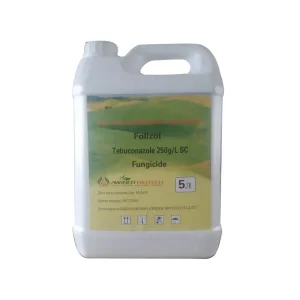
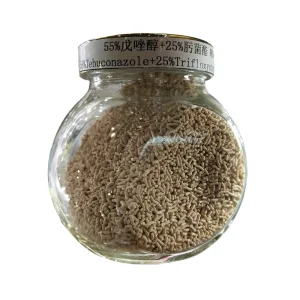
| Tebuconazole 50% + Trifloxystrobin 25% | WDG / DF (Dispersible Granule) | Rust, Sheath Blight, Alternaria | Cereals, Soybeans, Fruit Trees | Granulation energy costs, carrier inert stability, water dissolution rate. |
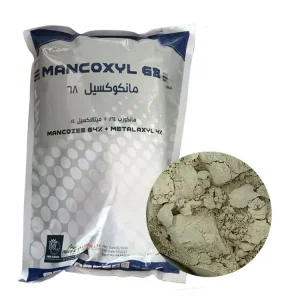
| Metalaxyl-M 4% + Mancozeb 64% | WP (Wettable Powder) | Late Blight, Downy Mildew, Phytophthora | Potatoes, Tomatoes, Grapes, Cucurbits | Technical Mancozeb spot prices, dust-suppression additives. |
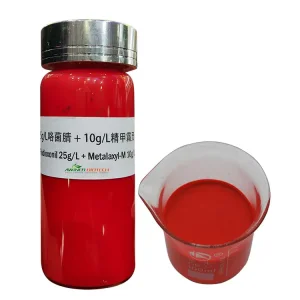
| Fludioxonil 25g/L + Metalaxyl-M 10g/L | FS (Flowable Seed Treatment) | Damping-off, Seed Rot, Fusarium Root Rot | Corn, Soybeans, Cotton, Cereals | Polymer sticker quality, seed coverage intensity, colorant stability. |
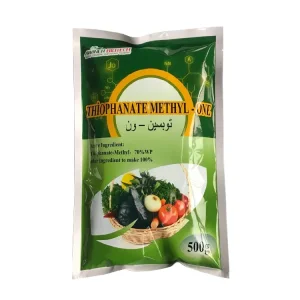
| Thiophanate-Methyl 70% | WP / WDG | Sclerotinia, Botrytis, Apple Scab | Apples, Peaches, Beans, Turf | Intermediary thiourea cost, milling fineness (325 mesh standard). |
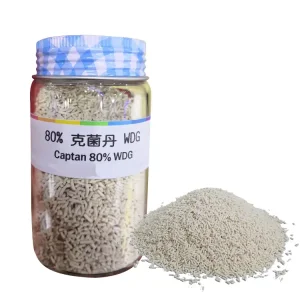
| Captan 80% | WDG | Black Rot, Downy Mildew, Scab | Apples, Strawberries, Grapes | Tetrahydrophthalimide precursor pricing, low-foam dispersant system. |
B2B agrochemical buyers must evaluate raw technical chemical synthesis costs (TC grade purity 95%-98%), intermediate supply stability, packaging specs (COEX HDPE bottles, fluorinated drums, water-soluble bags), freight logistics, and custom laboratory analytical verification (HPLC/GC-MS testing).
The Chinese agrochemical sector has undergone a profound transformation. Moving beyond volume-driven expansion, contemporary chemical manufacturing centers like Hebei Province leverage Industry 4.0 smart automation, continuous flow chemical synthesis, and stringent environmental stewardship to provide global markets with unrivaled supply stability.
State-of-the-art continuous fluid bed granulators, high-shear emulsification units, and ultra-fine jet mills guarantee particle size distribution under 5 microns for SC and WDG products. This yields exceptional suspension percentage (>90%) and long-term storage physical stability without phase separation.
Equipped with centralized MVR wastewater treatment, regenerative thermal oxidizers (RTO) for VOC abatement, and closed-loop chemical recycling systems, modern Hebei factories maintain 365-day uninterrupted operations, insulating international buyers from sudden environmental production halts.
Direct proximity to Tianjin and Qingdao ports enables rapid container consolidation, specialized hazardous chemical handling (IMDG compliant), and rapid customs declaration. Integrated supply chain nodes cut global delivery lead times by 15-25%.
Awiner Biotech's commercial operations span across key agricultural zones worldwide. Each geographic region exhibits unique disease pressure profile, regulatory constraints, and formulation preferences:
Achieving maximum biological efficacy requires tailor-made spray programs tailored to crop phenology, atmospheric humidity, and local fungal pathogen life cycles. Below are verified agronomic recommendations engineered by our field technical experts:
Challenge: Colletotrichum gloeosporioides causes devastating blossom blight and fruit rot under high temperature and humidity.
Solution: Tank-mix application of Copper Hydroxide/Metalaxyl 6% with alternating sprays of Azoxystrobin 250g/L SC at pre-flowering and fruit set stages ensures residue-free export quality fruit.
Challenge: Rapid foliage destruction during overcast, humid periods.
Solution: Preventive application of Mancozeb 64% + Metalaxyl 8% WP, followed by curative translaminar treatment with Dimethomorph or Azoxystrobin + Chlorothalonil 75% WP.
Challenge: Yield losses exceeding 40% during flag leaf emergence and flowering.
Solution: Strategic systemic spray of Tebuconazole 50% + Trifloxystrobin 25% WDG at growth stage GS 39-55 delivers prolonged green leaf area retention and low mycotoxin levels.
Challenge: Soil-borne pathogens reducing crop emergence density.
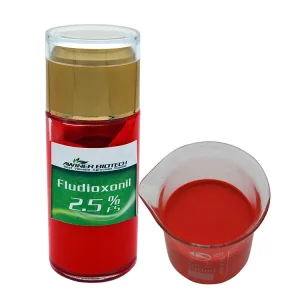
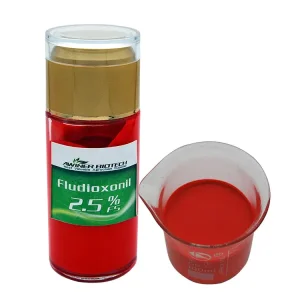
Solution: Professional seed dressing using Fludioxonil 2.5% FS combined with Metalaxyl-M 10g/L creates a protective zone around the germinating seedling, securing optimal stand density.
Direct answers to commercial, chemical, and regulatory inquiries commonly submitted by international buyers, importers, and agricultural distributors.
Every batch undergoes rigorous quality assurance at our in-house ISO 17025 accredited laboratory. We conduct High-Performance Liquid Chromatography (HPLC) for active ingredient purity, gas chromatography (GC) for impurity profiling, wet sieve tests for WP/WDG fineness, particle size distribution testing via laser diffraction, and accelerated heat/cold storage stability tests following CIPAC methods.
Yes. We possess dedicated regulatory affairs teams to assist clients with local Ministry of Agriculture registrations. We provide Certificate of Analysis (COA), Material Safety Data Sheet (MSDS), Certificate of Origin (COO), FAO specification compliance reports, 5-batch analysis, toxicological summary reports, and GLP-accredited field trial data where applicable.
Standard MOQ for technical formulations is typically 1,000 L/KG for liquids/powders or 1x20ft FCL for bulk products. We offer flexible packaging ranging from small retail formats (10mL, 100mL, 1L COEX/HDPE bottles; 10g, 100g, 1kg aluminum foil bags) to industrial bulk drums (200L HDPE/Steel drums) and 500kg jumbo bags, fully customized with private label branding and multi-lingual hazard warnings.
Strobilurins (e.g., Azoxystrobin) and Triazoles (e.g., Tebuconazole) operate via entirely distinct biochemical Pathways (QoI mitochondrial inhibition vs DMI ergosterol biosynthesis inhibition). Mixing these modes of action reduces the statistical probability of surviving fungal mutants, broadening the spectrum of control while extending the commercial lifespan of both active chemistries.
All properly sealed liquid formulations possess a minimum shelf-life of 2 years under standard storage conditions. They should be stored in cool, dry, well-ventilated warehouses away from direct sunlight, freezing temperatures, and direct contact with food or animal feed.
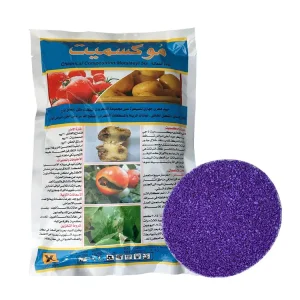
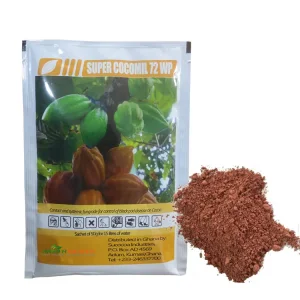
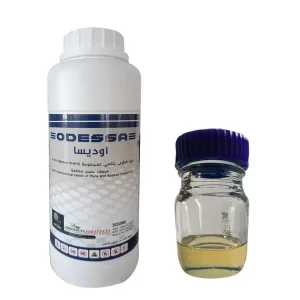
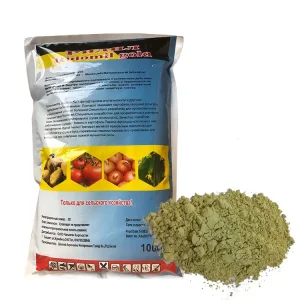
Browse additional specialized fungicides available for global wholesale distribution. Click any product for comprehensive technical datasheets and instant factory quotations.
 Awiner Biotech