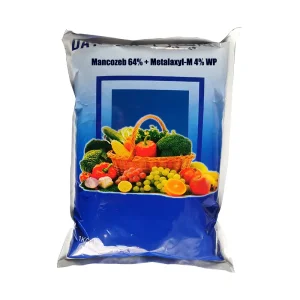
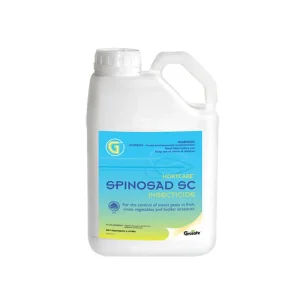
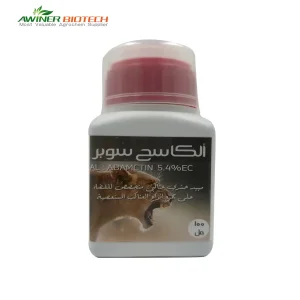
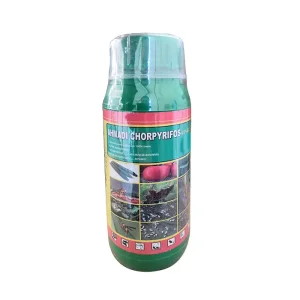
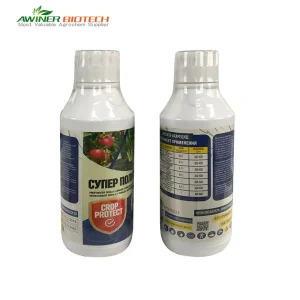
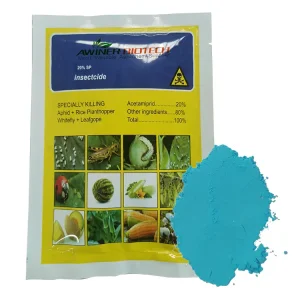
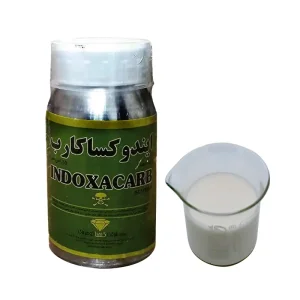
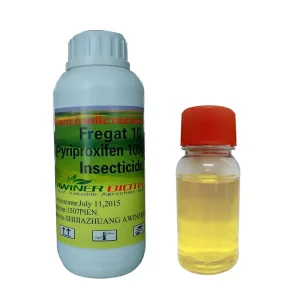
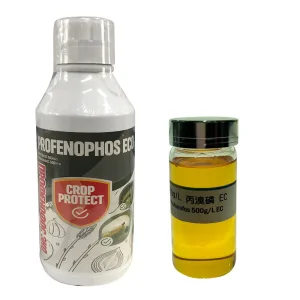
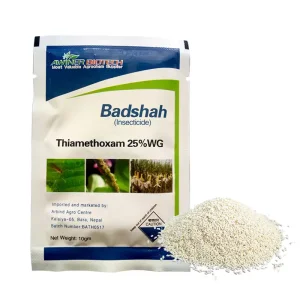
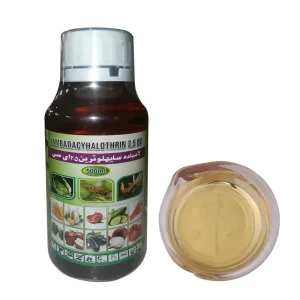
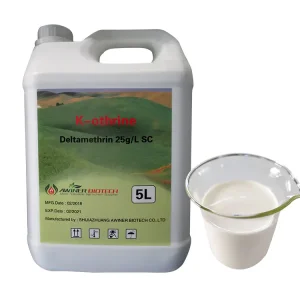
Explore our primary factory-direct insecticide and fungicide products optimized for commercial agricultural applications and wholesale distribution.
Modern B2B agrochemical purchasing has shifted from basic price-per-kilogram transactions to holistic total-cost-of-ownership (TCO) evaluation. Enterprise buyers, national distributors, and large-scale agricultural enterprises must evaluate Technical Grade (TC) purity, advanced formulation stability, active ingredient degradation kinetics, and regional regulatory dossiers prior to issuing Requests for Quotation (RFQs).
Evaluating active ingredient percentage purity is fundamental. High-purity TC ensures minimal toxicological impurities (e.g., lower risk of phytotoxicity) and superior chemical stability during formulation processes such as emulsification or microencapsulation.
Commercial quotes must mandate strict adherence to Collaborative International Pesticides Analytical Council (CIPAC) test procedures for persistent foaming, suspension stability (for WDG/SC), emulsion stability (for EC/EW), and wet sieve tests.
Insecticide liquids and powders demand specialized fluorinated HDPE drums, co-extruded bottles, or multi-layer aluminum foil bags tested against vapor loss, UV breakdown, and extreme pressure differentials during ocean transit.
When requesting insecticide quotes from Chinese manufacturers, procurement officers should explicitly define: Target Active Ingredient Concentration, Desired Formulation Type (e.g., SC vs EC), FAO/WHO Specification standard, Target Pest Spectrum, Solvent System (avoiding restricted aromatic hydrocarbons where regulated), and specific packaging parameters (e.g., 100mL to 200L options).
Widespread chemical resistance among economic pests—such as Helicoverpa armigera (Cotton Bollworm), Plutella xylostella (Diamondback Moth), and Nilaparvata lugens (Brown Planthopper)—presents a massive risk to agricultural productivity. Modern crop protection requires strategic rotation of Insecticide Resistance Action Committee (IRAC) Mode of Action (MoA) classifications.
| IRAC MoA Group | Chemical Class / Active Ingredients | Target Insect Pests | Primary Action Mechanism | Recommended Application Field |
|---|---|---|---|---|
| Group 4A | Neonicotinoids (Thiamethoxam, Acetamiprid, Dinotefuran) | Aphids, Whiteflies, Planthoppers, Thrips | Nicotinic acetylcholine receptor (nAChR) competitive modulators | Sucking insects in cotton, rice, and greenhouse vegetables |
| Group 6 | Avermectins (Abamectin, Emamectin Benzoate) | Lepidopteran Larvae, Mites, Leafminers | Glutamate-gated chloride channel (GluCl) allosteric modulators | Foliar spray for fruit trees, corn, and broadacre crops |
| Group 3A | Pyrethroids (Lambda-Cyhalothrin, Deltamethrin) | Beetles, Caterpillars, Mosquitoes, Bugs | Sodium channel modulators causing rapid knock-down | Broad-spectrum agricultural & public health vector control |
| Group 22A | Oxadiazines (Indoxacarb) | Bollworms, Armyworms, Cabbage Loopers | Voltage-dependent sodium channel blockers | Integrated Pest Management (IPM) in cotton & vegetables |
| Group 5 | Spinosyns (Spinosad) | Thrips, Caterpillars, Dipteran Leafminers | Nicotinic acetylcholine receptor (nAChR) allosteric modulators | Organic-certified pest control & low-residue crop management |
Sustainable agrochemical application relies heavily on combining systemic chemical agents with contact insecticides while safeguarding non-target organisms, including pollinators (Apis mellifera) and beneficial predatory mites. Utilizing systemic neonicotinoid seed treatments or targeted microencapsulated formulations drastically reduces environmental loading while maintaining high biological efficacy.
The global crop protection industry is transitioning rapidly from high-solvent Emulsifiable Concentrates (EC) to eco-friendly, water-based, and solid granule delivery systems. This evolution minimizes volatile organic compound (VOC) emissions, enhances tank-mix compatibility, and improves operator safety.
Water Dispersible Granules (WDG) utilize fluidbed granulation techniques. They offer dust-free handling, rapid disintegration in spray tanks, long shelf life without phase separation, and reduced freight weight compared to liquid form factors.
Suspension Concentrates (SC) suspend solid active ingredients in aqueous media using advanced polymeric dispersants. They eliminate bio-hazardous organic solvents while offering stable particle size distribution (D90 < 5 microns).
Capsule Suspensions (CS) encapsulate volatile or sensitive actives (e.g., Pyrethroids) in microscopic polymeric shells. This mechanism provides controlled, slow-release residual activity and protection against rapid photo-degradation under UV light.
Awiner Biotech was founded in 2006, located in north of China-Shijiazhuang, Hebei Province. The city is close to our capital Beijing, transportation is convenient. Awiner Biotech is committed to research, produce and distribute agrochemicals, mainly deal with pesticides, herbicides, fungicides, plant growth regulator and public health pesticides.
With nearly two decades of continuous innovation and quality assurance, Awiner Biotech has established robust commercial infrastructure, laboratory analytical capabilities, and specialized packing plants to serve multi-national distributors and government agricultural tenders.
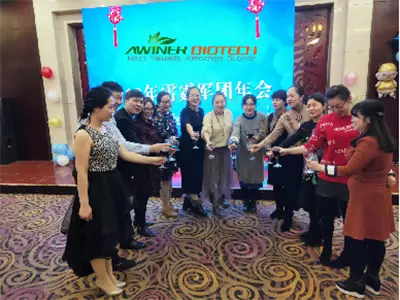
Up to now, we have win customers from Iraq, Iran, Afghanistan, Pakistan, India, Libya, Syria, Turkey, Yemen, Ukraine, Russia, Kazakhstan, Uzbekistan, Chile, Bolivia, Mexico, Brazil, Paraguay, Nigeria, Djibouti, Rwanda, Somalia, Malaysia, Cambodia, Nepal, Myanmar and so on.
Our countries participating in international agrochemical exhibitions include Turkey, Iran, Pakistan, Nigeria, Russia, Cambodia, Malaysia, Uzbekistan, and more, establishing strong regional partnerships globally.
We go to the customer's country to conduct market inspections, analyze and solve problems for them, understand their product usage, and customers will also visit our technical facilities for long-term collaboration.
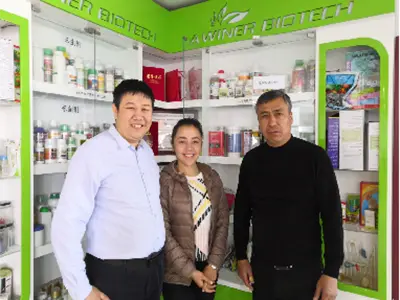
By conducting direct field trial inspections and localized efficacy evaluations, Awiner Biotech ensures that tailored insecticide formulations match specific soil conditions, climate profiles, and pest resistance levels unique to each importing nation.
Importing agrochemicals requires strict regulatory compliance. Awiner Biotech provides comprehensive support for local registrations, dossier submissions, and logistical safety.
We provide full GLP (Good Laboratory Practice) analytical reports, 5-batch analysis certificates, acute oral/dermal/inhalation toxicity data, environmental eco-toxicity studies, and Certificate of Analysis (COA) documentation tailored to national Ministries of Agriculture.
Every active production lot undergoes High-Performance Liquid Chromatography (HPLC) and Gas Chromatography (GC) analysis to verify active ingredient concentration, moisture limits, pH ranges, and emulsion stability according to FAO specifications.
Navigating global shipping regulations for Class 6.1 (Toxic) and Class 9 (Environmentally Hazardous) cargo, we ensure proper Dangerous Goods (DG) declarations, IMO-compliant packaging, and efficient port clearance through major transport hubs.
Browse our extended line of specialized insecticides engineered for broad-spectrum crop protection, pest control, and high bio-availability.
Essential technical and commercial insights for B2B chemical buyers, agrochemical importers, and commercial crop protection specialists.
 Awiner Biotech