High-purity active technical concentrates (TC) and optimized crop-specific formulations (SC, SP, WP) available for global export.
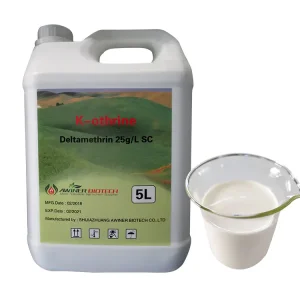
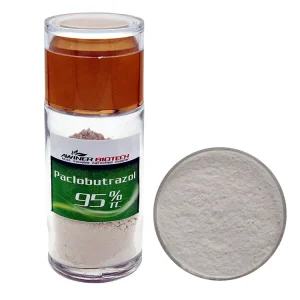
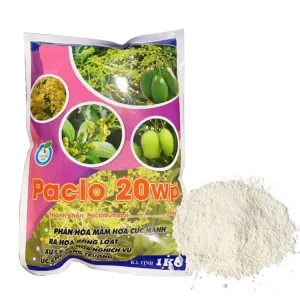
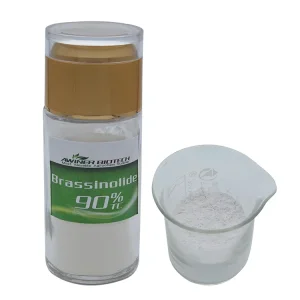
Decoding systemic phytohormone signaling pathways, yield architecture optimization, and industrial synthesis efficiency.
Plant Growth Regulators (PGRs) represent the pinnacle of precision biostimulation and cellular engineering in modern agriculture. Unlike standard macro-nutrients (N-P-K) or crop protection agents designed for pest elimination, PGRs operate at micro-molar concentrations to manipulate physiological processes, gene expression cascades, and hormonal balances within cellular matrices. By selectively amplifying or suppressing specific endogenous pathways, commercial agro-enterprises can precisely control vegetative lodging, dictate flowering synchronization, manage fruit drop, and trigger physiological stress resilience mechanisms.
From a chemical manufacturing perspective, synthesized plant growth regulators are categorized into five foundational phytohormonic classes: Auxins (e.g., Indole-3-Butyric Acid - IBA), Cytokinins (e.g., 6-Benzylaminopurine - 6-BA, Thidiazuron - TDZ), Gibberellins (e.g., GA3), Growth Retardants/Inhibitors (e.g., Paclobutrazol, S-Abscisic Acid - S-ABA), and Brassinolides. Mastery of chemical purity, surfactant synergy, and formulation stability separates basic generic suppliers from world-class manufacturing partners.
Direct regulation of cell division, expansion, tissue differentiation, and apical dominance to achieve tailored crop architectural outcomes.
Upregulation of antioxidant defense systems (SOD, POD, CAT) during drought, thermal stress, and salinity conditions using S-ABA and Brassinolide matrices.
Precision senescence induction and leaf abscission engineering via active Thidiazuron formulations for mechanized cotton harvesting.
Detailed chemical specifications, biochemical modes of action, and formulation availability for commercial agricultural purchasers.
| Active Ingredient | CAS Registry No. | Primary Mode of Action | Available Formulations | Target Crop Applications |
|---|---|---|---|---|
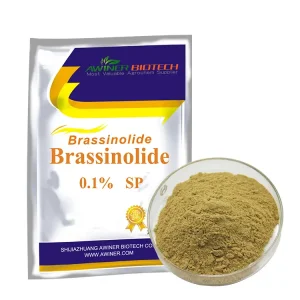
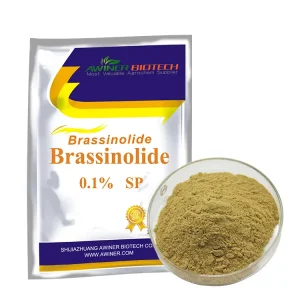
| Natural Brassinolide | 74174-44-0 | Steroidal biostimulant, cell elongation, enzymatic activation | 0.1% SP, 90% TC | Wheat, Rice, Fruit Trees, Vegetables |
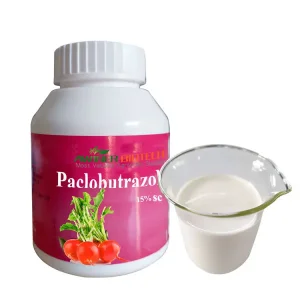
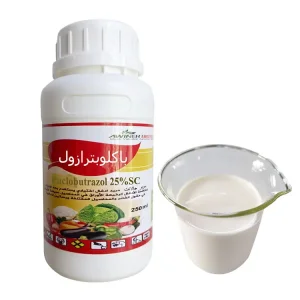
| Paclobutrazol (PP333) | 76738-62-0 | Gibberellin synthesis inhibitor, canopy control, anti-lodging | 15% SC, 25% SC, 15% WP, 20% WP, 95% TC | Rice, Wheat, Mango, Turfgrass, Peanuts |
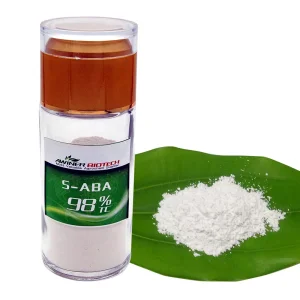
| S-Abscisic Acid (S-ABA) | 21293-29-8 | Stomatal closure regulation, drought adaptation, fruit coloring | 98% TC, 5% SP | Grapes, Citrus, Tomato, Arid Field Crops |
| Indole-3-Butyric Acid (IBA) | 133-32-4 | Auxin root initiator, adventitious root formation, tissue culture | 98% TC, 0.1% Liquid | Cuttings, Nursery Stocks, Transplanting Rooting |
| 6-Benzylaminopurine (6-BA) | 1214-39-7 | Cytokinin cell division agent, bud formation, senescence delay | 2% SP, 98% TC, Custom Blends | Tea, Tobacco, Apple, Flowering Plants |
| Thidiazuron (TDZ) | 51707-55-2 | Substituted phenylurea cytokinin, defoliation, ethylene activation | 50% WP, 95% TC, 99% TC | Cotton Defoliation, Fruit Sizing |
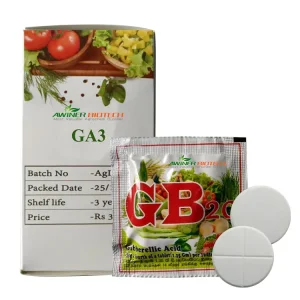
| Gibberellic Acid (GA3) | 77-06-5 | Dormancy breaking, stem elongation, seedless fruit setting | 90% TC, 20% SP, 40% SG | Table Grapes, Barley Malting, Citrus |
Modern industrial agriculture rarely relies on isolated active ingredients. High-efficiency yield protocols deploy sophisticated tank-mix matrices. For instance, combining Natural Brassinolide (0.1% SP) with systemic fungicides enhances the transport velocity of active molecule complexes while mitigating chemical stress on non-target crop tissues. Similarly, tank-mixing Thidiazuron (50% WP) with non-selective herbicides like Glyphosate during late-season cotton processing ensures 98%+ leaf drop within 10–14 days while facilitating rapid boll opening.
Tailored plant growth regulation strategies designed for specific agricultural eco-zones and commercial crop systems across six continents.
In high-density cotton production regions across Uzbekistan, Brazil, and Mexico, commercial operations utilize Thidiazuron (TDZ 50% WP / 95% TC). TDZ stimulates ethylene synthesis while suppressing auxin transport in petioles, achieving rapid, clean defoliation without terminal leaf freezing, optimizing mechanical picker throughput.
In dryland agriculture environments spanning Saudi Arabia, Iraq, Jordan, and Iran, crops suffer severe evapotranspiration loss. Applying S-Abscisic Acid (S-ABA 98% TC) and Brassinolide 0.1% SP induces immediate stomatal closure, preserving vascular moisture integrity and reducing yield penalties by up to 30% under acute water stress.
Intensive cereal output in Ukraine, Russia, and Kazakhstan requires stem shortening to prevent lodging caused by high-nitrogen fertilization. Root and foliar applications of Paclobutrazol 25% SC / 15% WP inhibit gibberellin biosynthesis, shortening lower internodes and thickening stem cell walls for structural stability.
Tea plantations and tobacco growers in India, Myanmar, and Nepal utilize targeted applications of 6-Benzylaminopurine (6-BA 2% SP) to break lateral bud dormancy, accelerate flush emergence, increase leaf surface area, and extend economic harvest cycles by preventing premature tissue senescence.
High-value commercial grape and cherry orchards in Chile, Bolivia, and Peru leverage controlled treatments of GA3 Gibberellic Acid combined with Cytokinins to drive berry elongation, fruit firmness, and stem preservation required for trans-oceanic shipping cold chains.
Commercial tissue culture labs and forestry nurseries globally rely on Indole-3-Butyric Acid (IBA 98% TC) for rapid adventitious root initiation in hardwood and softwood cuttings, boosting root mass volume and transplant survival rates to over 95%.
Unlocking cost efficiencies, technical scale, and strict international quality assurance standardizations.
China remains the global epicenter of agrochemical active ingredient (AI) synthesis and intermediate manufacturing. Through localized access to precursor chemical synthesis, specialized catalytic reaction infrastructure, and scalable downstream formulation engineering, Chinese manufacturers deliver unparalleled cost competitiveness and bulk supply continuity.
Awiner Biotech leverages Hebei’s robust industrial chemistry clusters. By controlling raw chemical sourcing, batch reaction conditions, and micro-encapsulation techniques, we minimize batch-to-batch volatility. Every metric ton of technical grade Paclobutrazol, Brassinolide, or Thidiazuron undergoes rigorous High-Performance Liquid Chromatography (HPLC) and Gas Chromatography-Mass Spectrometry (GC-MS) validation to guarantee active content, impurity control, and extended shelf-life stability under extreme storage conditions.
| Quality Assurance Metric | Awiner Biotech Standard | Generic Market Average | Industrial Impact |
|---|---|---|---|
| Technical AI Purity | 98.5% – 99.2% HPLC certified | 93.0% – 95.0% | Higher bio-efficacy, reduced phytotoxicity risk |
| Suspension Rate (SC Formulations) | ≥ 98% after accelerated storage | ≥ 85% | Prevents tank nozzle clogging & sedimentation |
| Wetting Time (WP/SP Powders) | < 30 seconds without agitation | > 90 seconds | Rapid dissolve during high-volume tank mixing |
| Moisture Content (TC Powders) | ≤ 0.3% dry weight | ≤ 1.0% | Eliminates clumping & chemical degradation |
Key economic variables determining international commercial pricing structures for active ingredients and bulk formulations.
Technical grade active ingredients (e.g., Brassinolide 90% TC or Thidiazuron 99% TC) command higher nominal per-kilogram baseline prices, yet offer lower long-distance freight expenditure per unit of active constituent compared to ready-to-use liquid concentrates (SC, EC).
Upstream chemical synthesis prices fluctuate based on petroleum feedstock markets, regional environmental compliance checks in chemical parks, and yellow phosphorus / triazole intermediate availability. Bulk long-term contract lock-ins mitigate these risks.
Tailored agricultural packaging—ranging from 100g water-soluble foil bags to 200L HD-PE drums—impact overall unit costs. Customized multi-language labeling and localized registration compliance support add enterprise value.
Founded in 2006, Awiner Biotech is headquartered in Shijiazhuang, Hebei Province, China—near the national capital, Beijing. Supported by integrated logistics networks and manufacturing facilities, Awiner Biotech is dedicated to the research, synthesis, formulation engineering, and international distribution of advanced crop protection products and Plant Growth Regulators. Our product line encompasses premium pesticides, selective herbicides, broad-spectrum fungicides, phyto-hormonal growth regulators, and public health control solutions.
Through rigorous market research, localized agronomic testing, and active participation in international trade conventions (such as exhibitions in Turkey, Russia, Iran, Pakistan, Nigeria, Uzbekistan, and Cambodia), we work directly with global distributors to analyze regional farming challenges, optimize yield outcomes, and ensure regulatory compliance.
Middle East & Central Asia: Iraq, Iran, Afghanistan, Pakistan, Syria, Turkey, Yemen, Kazakhstan, Uzbekistan.
Eastern Europe: Ukraine, Russia.
Latin America: Chile, Bolivia, Mexico, Brazil, Paraguay.
Africa: Libya, Nigeria, Djibouti, Rwanda, Somalia.
Asia-Pacific: India, Malaysia, Cambodia, Nepal, Myanmar.
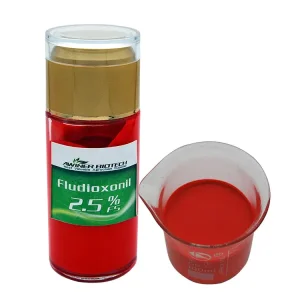
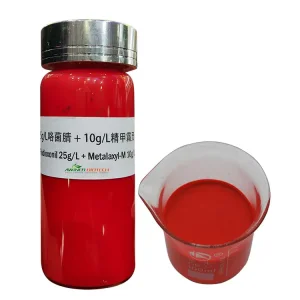
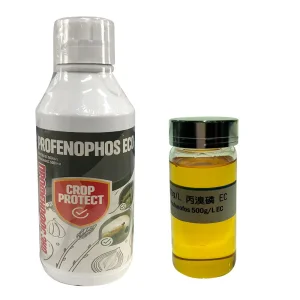
Specialty cytokinins, gibberellin complexes, and defoliant active solutions for multi-crop operations.
In-depth responses to technical inquiries, wholesale pricing dynamics, regulatory compliance, and storage protocols.
Fertilizers supply essential structural and metabolic elements (Macro-nutrients: N, P, K; Micro-nutrients: Zn, Fe, B) required as physical building blocks for plant biomass. Plant Growth Regulators (PGRs) are organic compounds (natural or synthetic) that act as chemical signaling molecules at minute concentrations. PGRs alter internal hormone levels, regulating gene expression, cellular elongation, stomatal dynamics, and bud initiation, optimizing nutrient utilization efficiency.
Wholesale pricing for PGR active ingredients depends on batch quantity, active purity (TC grade vs formulated SC/WP/SP), raw intermediate prices, and packaging specifications. Contact Awiner Biotech's commercial procurement team directly via our product detail links to request formal quotation sheets, COA documentation, and volume discount tiers.
Awiner Biotech supports global import registration. We provide technical dossier documentation including GLP-accredited toxicological reports, Certificate of Analysis (COA), Analytical Test Methods, Product Chemistry Data, MSDS, and ICAMA registration certificates required by agricultural ministries across South America, Europe, the Middle East, and Asia-Pacific.
Thidiazuron acts as a substituted phenylurea cytokinin that induces synthesized ethylene release in leaf petioles while blocking auxin transport. This triggers natural abscission tissue formation without causing instant leaf death ("leaf freezing"). Leaves fall off while green and heavy, leaving raw cotton bolls free of dry leaf trash, significantly lowering leaf trash contamination during mechanical harvest.
When stored in unopened original packaging away from direct solar radiation in dry, temperature-controlled environments (5°C to 30°C), Awiner Biotech's formulated PGR products maintain chemical stability and dispersion rates for 24 months. Surfactant packages are engineered to prevent phase separation or active degradation during long-distance maritime transit.
 Awiner Biotech