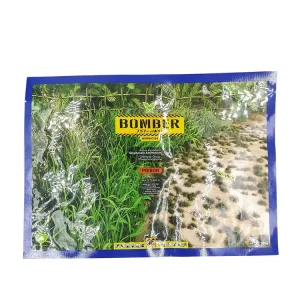
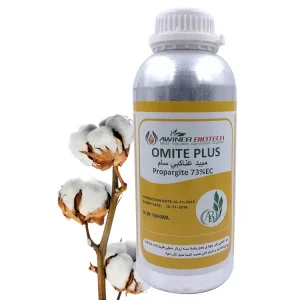
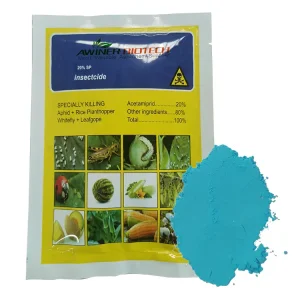
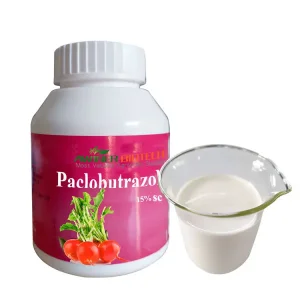
High-efficiency fungicides, insecticides, and plant growth regulators certified for global export.
Fruit rot pathogens—including Botrytis cinerea (Gray Mold), Monilinia fructicola (Brown Rot), Colletotrichum gloeosporioides (Anthracnose), and Penicillium digitatum (Green Mold)—account for an estimated 25% to 45% of total post-harvest losses worldwide in high-value horticulture. Mitigating post-harvest rot requires a sophisticated blend of proactive orchard sanitation, timely pre-harvest defensive chemical applications, bio-fungicidal controls, and smart post-harvest dip/spray formulations.
Understanding the pricing matrix of fruit rot fungicides originating from Chinese chemical synthesis bases requires analyzing active ingredient (AI) purity, formulation types (SC, WDG, FS, EC, WP), packaging compliance, and raw material precursor fluctuations (e.g., triazole ring precursors, cyanated intermediates). Below is an updated market benchmark guide for bulk commercial procurements (FOB Qingdao/Tianjin/Shanghai basis).
| Fungicide Active / Formulation | Target Pathogens / Crops | Standard Concentration | Est. Bulk Price Range (USD/MT or L) | Key Regulatory Certification |
|---|---|---|---|---|
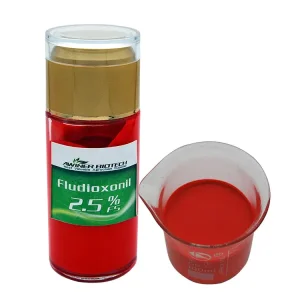
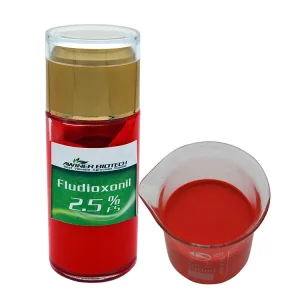
| Fludioxonil (TC / 2.5% FS / 50% WDG) | Botrytis, Penicillium, Seedling Rot (Grapes, Citrus, Apples) | 98% TC / 50% WDG | $42,000 - $48,000 / MT (TC) $14.50 - $18.20 / Kg (WDG) |
FAO Standard, ICAMA, EU Dossier Available |
| Mancozeb + Metalaxyl-M (64% + 8% WP) | Phytophthora, Downy Mildew, Brown Rot (Citrus, Berries) | 72% WP / 68% WDG | $5.80 - $7.40 / Kg | FAO Specs, EPA Registration Support |
| Difenoconazole + Azoxystrobin | Anthracnose, Powdery Mildew, Alternaria Rot (Mango, Stone Fruit) | 325g/L SC (200+125g) | $11.20 - $14.80 / Liter | ISO 9001:2015, GLP Efficacy Tested |
| Tebuconazole + Trifloxystrobin | Fruit Spot, Blossom Blight, Monilinia Brown Rot | 75% WDG (50%+25%) | $22.00 - $26.50 / Kg | COA, MSDS, SGS Pre-shipment Validated |
| Bacillus thuringiensis & Bio-Fungicides | Integrated Organic Rot & Caterpillar Control | 16,000 IU/mg WP / SC | $6.50 - $9.20 / Kg | OMRI Listed, Organic Compliant |
| Cuaminosulfate / Copper Hydroxide | Bacterial Canker, Post-harvest Storage Rot Prevention | 77% WP / 300g/L SC | $4.20 - $6.10 / Kg | Codex Compliant, Low Heavy Metal |
*Note: Prices fluctuate based on raw material availability, phosphorus/nitrogen backbone markets, seasonal demand cycles, and customized packaging options (e.g., 250ml fluorinated bottles up to 1000L IBC totes). Contact sales engineers for live quotes.
The global crop protection landscape is undergoing a structural paradigm shift towards reduced chemical load, zero-residue target enforcement, and biological-synthetic synergy. Chinese manufacturers are pioneering smart formulation R&D.
Traditional Wettable Powders (WP) generate dust hazards and exhibit poorer leaf-surface retention. Modern Chinese formulation plants utilize high-energy wet media grinding to achieve sub-micron particle sizes (< 2.5 μm) for active ingredients like Fludioxonil and Azoxystrobin, enhancing cuticular penetration by 350% and improving rainfastness.
Fungicide Resistance Action Committee (FRAC) guidelines recommend co-formulating single-site inhibitors (such as SDHIs or QoIs) with multi-site protective actives (Mancozeb, Chlorothalonil, or bio-lipopeptides). Future product pipelines focus on dual-action premixes that prevent point mutations in target fungi mitochondrial respiration chains.
Integrating Bacillus subtilis strains and botanical extracts (tea tree oil, carvacrol) into classic chemical backbones creates hybrid biological-chemical barrier sprays. This drastically lowers overall synthetic active residue levels while expanding the broad-spectrum efficacy across latent rot infections during cold storage transport.
Targeted disease control strategies customized for high-value agricultural export markets:
Pathogens: Penicillium digitatum, Phomopsis citri
Recommended Protocol: Pre-harvest spray of Fludioxonil 25% SC 14 days prior to picking, followed by thermal dip treatments utilizing low-toxicity active premixes. Ensures extended shelf-life during trans-oceanic container shipping.
Pathogens: Botrytis cinerea (Gray Mold)
Recommended Protocol: Alternating spray schedules of Pyrimethanil and Fludioxonil during flower cap fall and bunch closing. Tank mixing with bio-insecticides like Bacillus thuringiensis protects against berry moth wounds where rot spores enter.
Pathogens: Monilinia fructicola
Recommended Protocol: Early bloom spray of Difenoconazole + Tebuconazole followed by pre-harvest protection. Micro-emulsion technology ensures zero visible powder spots on fresh market fruits.
China's modern agrochemical industrial parks have undergone structural transformation. Advanced automation, continuous flow reaction technologies, and green chemical engineering ensure stable pricing, top-tier formulation consistency, and uncompromised environmental compliance.
Distributed Control Systems (DCS) monitor chemical reaction parameters in real-time, maintaining strict temperature, pressure, and stoichiometry control. This results in tech grade purity exceeding 98.5% with minimal isomer impurities.
State-of-the-art MVR (Mechanical Vapor Recompression) evaporators, thermal oxidizers (RTO), and hazardous waste treatment facilities guarantee year-round operational stability without seasonal environmental shutdowns.
From automated high-speed fluorinated bottle lines (100ml to 1L) to UN-certified fiber drums and 1000L IBC tanks, integrated automated packing systems allow rapid order turnaround within 14-21 calendar days from contract confirmation.
Navigating pesticide registrations globally requires exhaustive regulatory packages. Premium Chinese suppliers provide complete technical dossiers to ensure smooth market access across Latin America, Southeast Asia, the Middle East, and Eastern Europe.
We provide full GLP toxicological reports, 5-batch chemical analyses, environmental fate studies, and crop efficacy trials required by local Ministries of Agriculture (e.g., MAPA in Brazil, SENASA in Peru, CIBAC in India).
Multilingual design support (Spanish, Portuguese, Arabic, Russian, French) compliant with GHS classification, FAO labeling guidelines, and national registration trademark mandates.
Every export lot undergoes rigorous pre-shipment quality verification by accredited internal laboratories (HPLC, GC, MS) and optional third-party testing (SGS, BV, Intertek).
For multinational distributors, regional formulators, and large-scale agro-industrial conglomerates, optimizing pesticide sourcing from China requires a strategic framework focused on long-term value, risk mitigation, and commercial flexibility.
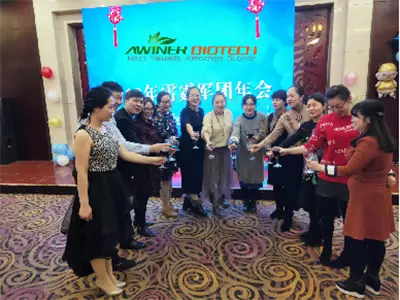
Awiner Biotech was founded in 2006, located in the north of China—Shijiazhuang, Hebei Province. The city is close to China's capital, Beijing, offering exceptionally convenient transportation and access to major shipping ports like Tianjin. Awiner Biotech is committed to research, production, and distribution of agrochemicals, specializing in high-grade pesticides, herbicides, fungicides, plant growth regulators, and public health products.
Up to now, we have won trusted long-term clients across 30+ nations, including: Iraq, Iran, Afghanistan, Pakistan, India, Libya, Syria, Turkey, Yemen, Ukraine, Russia, Kazakhstan, Uzbekistan, Chile, Bolivia, Mexico, Brazil, Paraguay, Nigeria, Djibouti, Rwanda, Somalia, Malaysia, Cambodia, Nepal, Myanmar, and beyond.
We regularly present our newest formulations at leading global trade fairs in countries such as Turkey, Iran, Pakistan, Nigeria, Russia, Cambodia, Malaysia, Uzbekistan, and CAC China.
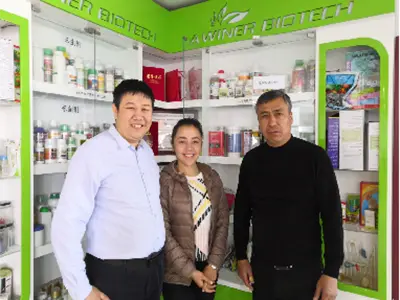
We regularly conduct overseas market inspections directly in our customers' agricultural regions. We analyze real-world pest resistance, optimize product usage, provide technical training, and host client delegations at our Chinese manufacturing facilities.
Expert answers to standard procurement, technical, and regulatory inquiries regarding China fruit rot fungicides.
Fludioxonil is a phenylpyrrole fungicide derived as an analog of the natural antibiotic pyrrolnitrin. It acts by inhibiting transport-associated phosphorylation of glucose, effectively blocking spore germination, germ tube elongation, and mycelial growth of Botrytis cinerea and Penicillium species. Its contact activity and ultra-low volatility make it ideal for pre-harvest sprays and post-harvest drenching.
Chinese manufacturers offer a 25% to 45% cost advantage due to backward integration into key petrochemical intermediates, lower energy/infrastructure overhead, and large-scale continuous synthesis plants. Purity levels, active content, and formulation performance match international FAO/WHO standards.
Standard registration requires: (1) Certificate of Analysis (COA), (2) 5-Batch Analysis Report, (3) GLP-certified toxicology package, (4) Efficacy test reports under local climate conditions, (5) Certificate of Free Sale (CFS) legalized by the target country's embassy in China, and (6) MSDS / Technical specifications.
All formulations undergo accelerated heat storage testing (+54°C ± 2°C for 14 days) and cold storage tests (0°C for 7 days). We utilize premium polymeric dispersants (such as polycarboxylate surfactants) and high-grade UV stabilizers to prevent crystallization, phase separation, or active degradation.
Yes. Our R&D team can adjust active ingredient ratios, add systemic synergists, or modify formulation types (e.g., converting WP to dust-free WDG or SC) to suit local pest pressure, spray equipment types (including drone/UAV aerial spraying), and regional environmental regulations.
Full-spectrum crop protection catalogue including systemic herbicides, insecticides, and specialty fungicides.
 Awiner Biotech