Direct factory supply of high-efficacy technical grade active ingredients and optimized formulations for international wholesale distribution.
Navigating chemical choices, resistance profiles, and commercial sourcing networks for effective Bemisia tabaci and Trialeurodes vaporariorum control.
Whiteflies—predominantly Bemisia tabaci (Silverleaf Whitefly) and Trialeurodes vaporariorum (Greenhouse Whitefly)—represent one of the most economically destructive pest complexes impacting global agriculture today. Infesting over 600 plant species, including high-value commercial crops such as tomatoes, cotton, cucurbits, brassicas, tea, and ornamental plants, whiteflies cause catastrophic crop yield losses through direct sap feeding, excretion of honeydew leading to sooty mold development, and serving as vectors for over 100 devastating plant viruses (such as Tomato Yellow Leaf Curl Virus - TYLCV).
For international chemical distributors, agrochemical brand owners, and commercial agricultural enterprises, securing a reliable, cost-effective, and high-purity supply of insecticides specifically targeting whitefly populations is paramount. China has solidified its status as the global epicenter for agrochemical synthesis and formulation engineering, supplying over 70% of the world's active pesticide ingredients (TC) and customized end-use formulations (WDG, SC, EC, SL, WP).
Understanding active ingredient costs, formulation complexities, packaging customizations, and export pricing mechanics.
Procurement pricing for whitefly control insecticides in China varies based on technical purity (TC vs. formulated product), active ingredient active loading, raw chemical intermediate costs (such as chloropyridine or cyano-intermediates), volume scale, and international packaging standards. The table below outlines standard B2B pricing benchmarks for key active ingredients and tank-mix solutions sourced directly from top-tier Chinese manufacturing facilities.
| Active Ingredient / Product Name | CAS Number / Formulation | Primary Target Pests | IRAC Group / MoA | Est. Wholesale Price (FOB China Port) |
|---|---|---|---|---|
| Thiamethoxam | 153719-23-4 | 75% WDG, 25% WG | Whiteflies, Aphids, Thrips | Group 4A (Neonicotinoid) | $11.50 - $14.80 / kg |
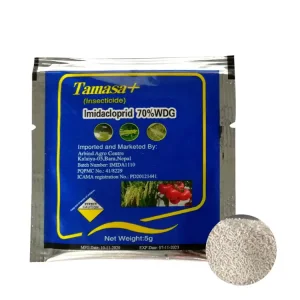
| Imidacloprid | 138261-41-3 | 75% WDG, 200g/L SL | Whiteflies, Leafhoppers, Planthoppers | Group 4A (Neonicotinoid) | $9.20 - $12.00 / kg |
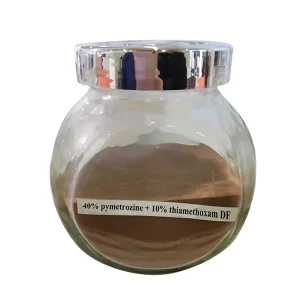
| Pymetrozine + Thiamethoxam | Combination | 40% Pymetrozine + 10% Thiamethoxam DF | Resistant Whitefly, Brown Planthopper | Group 9B + Group 4A Dual MoA | $15.00 - $18.50 / kg |
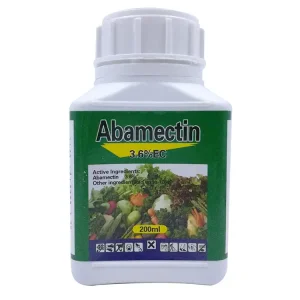
| Abamectin | 71751-41-2 | 1.8% EC, 5% EC | Whiteflies, Spider Mites, Leafminers | Group 6 (Avermectin) | $8.50 - $11.00 / L |
| Indoxacarb | 144171-61-9 | 95% TC, 30% WDG, 150g/L SC | Lepidoptera, Whiteflies, Beetles | Group 22A (Oxadiazine) | $32.00 - $38.00 / kg (TC) |
| Hexythiazox | 78587-05-0 | 97% TC, 5% EC | Mites, Eggs & Nymphs in Complex Infestations | Group 10A (Growth Regulator) | $16.50 - $21.00 / L |
Prices fluctuate based on upstream petrochemical and fine chemical intermediate costs, power regulation in manufacturing hubs, and seasonal agricultural demand peaks.
Bulk shipments in 200L drums or 25kg bags offer optimal scale economies. Custom small packaging (100ml, 500ml, 1L bottles with custom branding) incurs specialized bottling and labeling labor costs.
Technical Grade active ingredients require strict HPLC gas/liquid chromatography testing to ensure compliance with FAO/WHO purity baselines, preventing active compound degradation in storage.
Engineering sustainable multi-site crop protection strategies to overcome high selection pressure in whiteflies.
Actives: Thiamethoxam, Imidacloprid.
Mechanism: Nicotinic acetylcholine receptor (nAChR) competitive modulators. Agonists cause rapid nerve impulse blockage, resulting in systemic protection through xylem translocation. Excellent for root drenching and foliage spray.
Actives: Pymetrozine.
Mechanism: Selective feeding blockers. Inhibits whitefly stylet penetration without immediate knockdown, causing rapid irreversible starvation and complete cessation of virus (TYLCV) transmission within hours of contact.
Actives: Indoxacarb.
Mechanism: Blocks sodium channels in nerve cells, paralyzing pests. Ideal for rotation in Integrated Pest Management (IPM) programs targeting multi-pest outbreaks (whiteflies + lepidoptera larvae).
Actives: Abamectin.
Mechanism: Glutamate-gated chloride channel (GluCl) allosteric modulators. Stimulates gamma-aminobutyric acid (GABA) release, stopping feeding and killing both adults and nymph stages upon ingestion.
Due to whiteflies' high fecundity and rapid life cycle (18 to 28 days depending on ambient temperature), continuous use of single-site mode of action chemicals rapidly induces target-site mutations (e.g., KDR mutations or CYP450 detoxification enzyme overexpression). Chinese pesticide chemical formulations, such as combining Pymetrozine 40% + Thiamethoxam 10% DF or tank-mixing IGRs like Pyriproxyfen with Neonicotinoids, break cross-resistance cycles and extend product lifespan for growers globally.
Deploying specialized chemical solutions across diverse geographical zones and protective farming environments.
High-density tomato, pepper, and cucumber greenhouse setups require non-phytotoxic formulations with low residue vapor pressures. Formulations such as Thiamethoxam 75% WDG and Abamectin 1.8% EC provide rapid knock-down while minimizing leaf burning under glass and poly-tunnels.
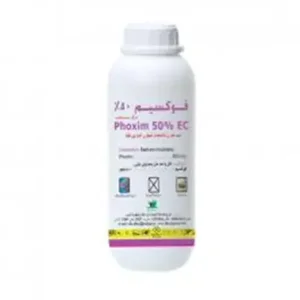
Broad-scale applications across cotton, tobacco, and citrus demand rainfast, highly systemic chemistry. Broad-spectrum insecticides like Imidacloprid 75% WDG and Phoxim 50% EC deliver robust residual perimeter defense against massive pest migrations during dry seasons.
Combining pest knockdown active ingredients with Plant Growth Regulators like Cytokinin 6BA helps crops rapidly recover from virus-induced stunting and leaf curling, restoring photosynthetic capacity and commercial fruit set.
Delivering premier Chinese agrochemical manufacturing excellence to global partners since 2006.
Awiner Biotech was founded in 2006, located in north of China - Shijiazhuang, Hebei Province. The city is close to our capital Beijing, transportation is convenient. Awiner Biotech is committed to research, produce and distribute agrochemicals, mainly dealing with pesticides, herbicides, fungicides, plant growth regulators, and public health pesticides.
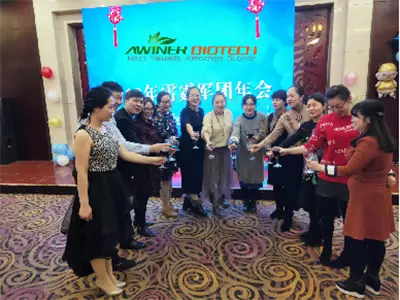
Up to now, we have won customers from Iraq, Iran, Afghanistan, Pakistan, India, Libya, Syria, Turkey, Yemen, Ukraine, Russia, Kazakhstan, Uzbekistan, Chile, Bolivia, Mexico, Brazil, Paraguay, Nigeria, Djibouti, Rwanda, Somalia, Malaysia, Cambodia, Nepal, Myanmar, and so on.
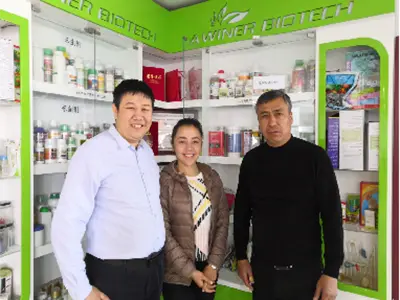
Our countries participating in international agrochemical exhibitions include Turkey, Iran, Pakistan, Nigeria, Russia, Cambodia, Malaysia, Uzbekistan, and more.
We go directly to our customers' countries to conduct market inspections, analyze and solve field problems, understand product application behavior, and regularly host customer visits to our manufacturing facilities in China.
Ensuring smooth customs clearance, registration compliance, and field-proven product purity.
Full support for international buyers requesting ICAMA certificates, Certificate of Analysis (COA), Specification Sheets, MSDS, and field trial data required for local ministry registrations.
Flexible synthesis of customized co-formulations tailored to climate extremes (hot arid zones vs humid tropical regions). Packaging from 50ml HDPe bottles up to 1000L IBC containers with multi-language labeling.
Every export batch undergoes rigorous quality validation including active ingredient content HPLC verification, emulsification stability, suspension percentage, and wet sieve testing.
Expert answers to critical technical, commercial, and logistical inquiries regarding Chinese whitefly insecticides.
Explore our complete spectrum of biological, chemical, herbicide, and fungicide products available for global export.
 Awiner Biotech