Direct supply from specialized manufacturing facilities with certified quality control standards (ISO9001, FAO Specs).
Understanding the physiological vulnerabilities of mite eggs, protonymphs, deutonymphs, and reproductive adults for precise chemical intervention.
Phytophagous mites—predominantly belonging to the families Tetranychidae (spider mites), Eriophyidae (rust and gall mites), and Tarsonemidae (broad mites)—represent one of the most destructive agricultural pest categories worldwide. Species such as Tetranychus urticae (two-spotted spider mite), Panonychus citri (citrus red mite), and Polyphagotarsonemus latus possess extremely rapid reproductive cycles, high fecundity, and a notorious capacity for developing cross-resistance to standard chemical acaricides. Achieving complete, multi-seasonal crop protection requires a shift away from single-stage contact adulticides toward comprehensive full life-cycle control programs targeting mite eggs, nymphs, and adults simultaneously.
In thermal optimal environments (25°C to 32°C), a single female spider mite can lay up to 200 eggs within a 12-to-14-day lifespan, completing an entire generation from egg to sexually mature adult in under 8 days. When acaricide treatments focus strictly on adult mortality, unhatched eggs and resilient nymph stages survive, leading to catastrophic population resurgences ("mite rebounds") within 96 hours post-application. Professional agrochemical formulation plants in China have engineered sophisticated combination formulations and active ingredient (AI) protocols designed to disrupt every metabolic and developmental gateway across all four life stages.
Ovicides penetrate the embryonic chorion shell or inhibit chitin biosynthesis during embryogenesis. Actives like Etoxazole, Hexythiazox, and Clofentezine suppress embryonic cleavage, preventing hatching without harming beneficial predatory insects.
Immature stages undergo high ecdysis (molting) metabolic activity. Lipid synthesis inhibitors (Spirodiclofen, Spiromesifen) and Mitochondrial Electron Transport Inhibitors (METI - Pyridaben, Fenpyroximate) block energy production and cuticle hardening.
Adult mites demand fast knock-down neurotoxic or neuromuscular agents. GABA-gated chloride channel activators (Abamectin, Emamectin Benzoate) and Bifenazate (neuronal target site IRAC 20D) deliver rapid paralysis and sterilize remaining egg-laying females.
To eliminate selection pressure and manage field resistance, Chinese agrochemical manufacturers formulate multi-mode combinations based on IRAC classifications:
| Active Ingredient (AI) | IRAC Group | Primary Target Stage | Biochemical Mode of Action | Translaminar / Systemic Action | Recommended Crop Systems |
|---|---|---|---|---|---|
| Etoxazole | Group 10B | Eggs & Protonymphs | Chitin biosynthesis inhibitor (Type 1) | Strong Translaminar Penetration | Citrus, Apples, Grapes, Cotton |
| Bifenazate | Group 20D | All Stages (Strong Adults/Nymphs) | Neuronal transmission / Complex III Inhibitor | Contact + Residual Layer | Greenhouse Vegetables, Strawberries |
| Pyridaben | Group 21A | Nymphs & Adults (Fast Knockdown) | METI Inhibitor (Complex I electron transport) | Contact & Vapor Activity | Tea Plantations, Fruit Orchards |
| Spirodiclofen / Spiromesifen | Group 23 | Eggs, Larvae, Nymphs | Lipid Biosynthesis Inhibitor (LBI) | Folio-absorbed Surface Residual | Citrus Red Mite, Broad Mites |
| Abamectin + Chlorbenzuron | Group 6 + 15 | Synergistic Full Life-Cycle | GABA Activation + Chitin Deposition Blockade | Translaminar & Systemic Micro-emulsion | Maize, Soybeans, Commercial Horticulture |
Why international distributors and enterprise chemical buyers partner with Chinese chemical industrial hubs in Hebei for end-to-end miticide synthesis and formulation.
China's chemical hubs (including Hebei Province facilities adjacent to Beijing supply routes) possess complete vertical integration—from basic raw petrochemical intermediates up to pure Technical Grade (TC) synthesis and final formulation packaging (SC, WDG, EC, EW, Micro-encapsulation).
Advanced Suspension Concentrate (SC) grinding equipment produces sub-micron active particles (< 2.5 μm), maximizing leaf coverage, rainfastness, and translaminar penetration. Ultra-low dose Water Dispersible Granules (WDG) guarantee dust-free safety and rapid dissolution.
Equipped with High-Performance Liquid Chromatography (HPLC), Gas Chromatography-Mass Spectrometry (GC-MS), and CIPAC thermal stability test chambers. Every batch undergoes 54°C 14-day accelerated aging evaluations to ensure a 2-year shelf life in tropical export markets.
Flexible manufacturing options ranging from small-scale retail bottles (100ml, 250ml, 500ml, 1L HD-PE/Co-ex Fluorinated bottles) to commercial agricultural drums (20L, 200L, 1000L IBC totes) with customized private labeling, anti-counterfeiting QR codes, and multi-lingual compliance.
Economy-of-scale advantages enable Chinese manufacturers to deliver high-purity active ingredient formulations at a 30% to 50% cost savings compared to European or North American multinational suppliers without compromising field efficacy.
Proximity to Tianjin Port and major international shipping corridors ensures rapid container loading, standardized hazardous goods packaging (UN Certified), and swift transit times across the Middle East, South America, Eastern Europe, and Southeast Asia.
Adapting to global regulatory shifts, Maximum Residue Limit (MRL) enforcement, drone spraying technology, and biological synergy.
The global crop protection market is experiencing a profound paradigm shift driven by stricter environmental safety thresholds, stringent pesticide residue limits enforced by the European Union and US EPA, and the rapid rise of pesticide-resistant mite biotypes. Modern mite control strategies engineered in China align with these global macro trends:
Unmanned Aerial Vehicles (UAVs) are rapidly replacing traditional high-volume tractor sprayers in major agricultural regions across South America, Asia, and Eastern Europe. Drones operate with water volumes as low as 10 to 20 liters per hectare. This requires specially engineered miticide formulations containing micro-emulsifiable concentrates, anti-evaporation agents, and drift-control adjuvants to maintain uniform coverage without clogging micro-nozzles or causing phytotoxicity.
Integrated Pest Management (IPM) protocols increasingly demand zero-residue or low-residue pre-harvest options. Leading factories are combining low-toxicity synthetic acaricides with botanical extracts (e.g., Matrine, Azadirachtin, Essential Oils) and entomopathogenic microbial agents like Beauveria bassiana or Bacillus thuringiensis. These bio-rational tank mixes target larval and nymphal instars while preserving natural predators like Phytoseiulus persimilis and Neoseiulus californicus.
Capsule Suspension (CS) technology encapsulates high-vapor or sensitive active ingredients inside polymeric micro-shells. This technical innovation provides sustained release over 30 to 60 days, protecting the active ingredient from rapid UV degradation under intense tropical sunlight while ensuring continuous control of newly hatching mite nymphs.
Customized treatment strategies tailored to specific agronomic environments and livestock facilities.
Pests Target: Citrus Red Mite (Panonychus citri), Rust Mites.
Scenario: High-density canopy requires deep canopy-penetrating sprayers. Early spring treatment with Etoxazole 110g/L SC targets overwintered egg clutches before blossom. Late summer flushes utilize Bifenazate + Pyridaben combinations to eradicate exploding adult populations.
Pests Target: Two-Spotted Spider Mite (Tetranychus urticae), Broad Mites.
Scenario: High relative humidity and warm temperatures trigger rapid generation cycles (every 5-7 days). Low-phytotoxicity SC or WDG formulations (Spiromesifen, Abamectin) are applied with high-pressure thermal foggers to coat leaf undersides without foliage scarring.
Pests Target: Carmine Spider Mite, Strawberry Spider Mite.
Scenario: Prolonged hot, dry summer droughts induce severe field-wide webbing and defoliation. Broad-spectrum tank-mixes executed via tractor boom or UAV drones utilize combination actives like Abamectin + Chlorbenzuron for rapid knock-down and long residual egg protection.
Pests Target: Poultry Red Mite (Dermanyssus gallinae), Northern Fowl Mite.
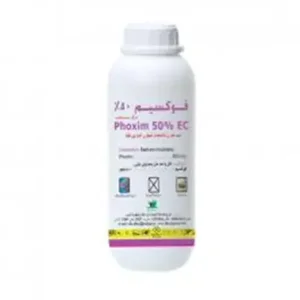
Scenario: Nocturnal blood-feeding mites hide in facility crevices, causing anemia and egg production drops. Specialized public health pesticides (Phoxim 50% EC, Permethrin formulations) are misted during barn cleaning cycles to destroy all life stages on equipment surfaces.
Pests Target: Grain Mites (Acarus siro), Flour Mites.
Scenario: High humidity inside silos and grain storage houses damages stored seeds. Approved grain-protection public health chemicals and fumigants eliminate active nymphs and adults while maintaining food safety standards.
Pests Target: Pink Tea Rust Mite, Scarlet Mite.
Scenario: Requires strict adherence to zero-residue export limits for tea leaves sent to Europe or Japan. Natural oil micro-emulsions combined with bio-rational low-dose acaricides provide clean pest clearance prior to harvest plucking.
Essential selection criteria for commercial importers, agricultural tenders, and chemical distributors when selecting a Chinese manufacturing supplier.
Sourcing large-scale miticide and insecticide shipments requires thorough compliance verification, analytical documentation, and quality control checks. Professional B2B buyers should evaluate Chinese manufacturing partners across five primary benchmarks:
Over 18 years of excellence in research, synthesis, global distribution, and field support for comprehensive crop protection solutions.
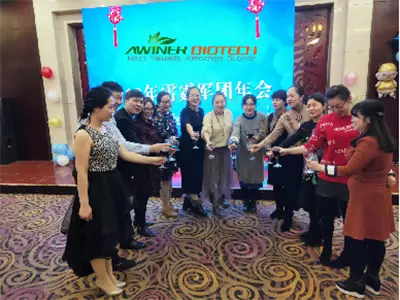
Awiner Biotech was founded in 2006, located in north of China—Shijiazhuang, Hebei Province. The city is close to our capital Beijing, transportation is convenient. Awiner Biotech is committed to research, produce and distribute agrochemicals, mainly dealing with pesticides, herbicides, fungicides, plant growth regulators, and public health pesticides.
With state-of-the-art laboratory testing facilities, multi-line automated packaging systems, and an experienced regulatory registration department, Awiner Biotech delivers customized solutions targeting all pest development stages across diverse agro-climatic zones.

Up to now, we have won customers from Iraq, Iran, Afghanistan, Pakistan, India, Libya, Syria, Turkey, Yemen, Ukraine, Russia, Kazakhstan, Uzbekistan, Chile, Bolivia, Mexico, Brazil, Paraguay, Nigeria, Djibouti, Rwanda, Somalia, Malaysia, Cambodia, Nepal, Myanmar, and so on.
Our company actively participates in international agrochemical exhibitions across Turkey, Iran, Pakistan, Nigeria, Russia, Cambodia, Malaysia, Uzbekistan, and other regional agricultural trade hubs.
We routinely travel to our customers' home countries to conduct on-site market inspections, analyze regional pest pressure, optimize field application techniques, and address localized crop challenges. Customers also regularly visit our factory facilities in Hebei.
Expert insights addressing key biological, chemical, resistance, and commercial inquiry points.
Explore our wide portfolio of agricultural crop protection products, public health pesticides, and growth regulators.
 Awiner Biotech