Direct factory supply from China's leading agrochemical synthesis facilities. High-purity active ingredients and advanced microencapsulation technologies.
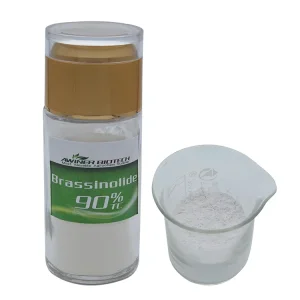
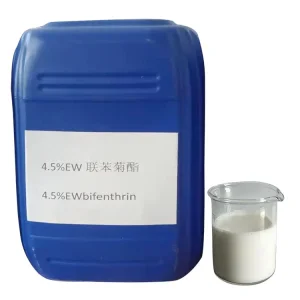
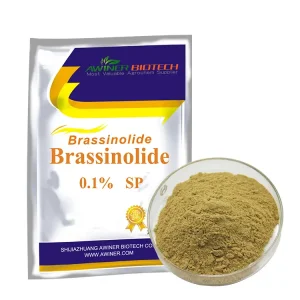
Analyzing market forces, subterranean pest challenges, and the strategic importance of early-stage soil treatment in modern integrated pest management (IPM).
Soil-applied insecticides represent a vital cornerstone in modern global agriculture and industrial crop management. Unlike foliar spray applications, which primarily target above-ground foliage pests after infestation visible signals appear, soil-applied treatments deliver direct protection to the rhizosphere—the sensitive root system interface where crop health and yield potential are determined. Subterranean crop destruction caused by nematodes, wireworms, grubs, rootworms, termites, and cutworms accounts for over $18.5 billion USD in global crop loss annually. Effective soil insecticide applications establish a protective chemical barrier or systemic plant defense mechanism, preserving root architecture and securing optimal nutrient intake from seed germination to harvest.
Protecting early-stage seedling development against soil-dwelling larvae. Soil-bound systemic chemistry provides multi-week protection without repeated tractor spray passes, reducing fuel burn and soil compaction.
Modern active ingredients like Imidacloprid, Thiamethoxam, and Chlorantraniliprole enter via primary root tissue, utilizing xylem transport systems to guard stems and emerging foliage against early sucking pests.
Available in Granular (GR), Suspension Concentrate (SC), and Flowable Concentrate for Seed Treatment (FS), catering to precision in-furrow, drip irrigation, or seed dressing application protocols globally.
Why international buyers, regional distributors, and large agricultural conglomerates source active ingredients and soil insecticides from Chinese chemical industrial clusters.
China has solidified its position as the world's leading chemical synthesis hub, supplying over 70% of the active technical grade (TC) ingredients and formulated pesticides consumed globally. This dominant position is built upon comprehensive industrial backward integration, world-class port infrastructure, state-of-the-art waste treatment infrastructure, and an unmatched engineering talent pool. Chinese agrochemical facilities, particularly those concentrated in northern and eastern chemical zones like Hebei, Shandong, and Jiangsu, deliver unprecedented structural supply advantages to international procurement executives.
China produces key chemical intermediates internally—from basic chlorine and phosphorus derivatives to specialized heterocyclic rings. This shields global buyers from volatile intermediate supply bottlenecks and sharp price spikes experienced in non-integrated manufacturing hubs.
Modern Chinese facilities utilize fully automated liquid filling, solid granulating (WDG/GR), and micro-encapsulation lines capable of producing hundreds of metric tons daily with razor-thin batch variance and strict analytical batch assay reporting.
Proximity to major deep-water ports (such as Tianjin, Qingdao, and Shanghai) allows rapid container loading, hazardous chemical compliance handling, and streamlined FOB/CIF shipment schedules across major global trade lanes.
Understanding soil organic carbon partitioning (Koc), persistence (DT50), and target insect toxicological profiles for optimal product selection.
Selecting the optimal soil-applied insecticide requires an in-depth understanding of soil chemistry interactions. Key physical-chemical properties such as water solubility, soil organic carbon sorption coefficient ($K_{oc}$), and aerobic soil dissipation half-life ($DT_{50}$) dictate how an active chemical behaves under varying soil moisture regimes, soil pH levels, and microbial conditions.
| Chemical Class | Representative Active Ingredient | Primary Soil Target Pests | Soil Mobility ($K_{oc}$) | Typical Formulation Type | Residual Protection Window |
|---|---|---|---|---|---|
| Neonicotinoids | Imidacloprid / Thiamethoxam | Grubs, Wireworms, Aphids, Whiteflies | Moderate (247 mL/g) | 20% SL, 600g/L FS, 0.5% GR | 45 – 75 Days |
| Phenylpyrazoles | Fipronil | Termites, Ants, Mole Crickets, Rootworms | High Adsorption (727m3/kg) | 80% WDG, 5% SC, 0.3% GR | 60 – 120 Days |
| Organophosphates | Chlorpyrifos / Foxim | Cutworms, Subterranean Cutworms, Root Maggots | High Adsorption (8150 mL/g) | 15% GR, 480g/L EC | 21 – 40 Days |
| Synthetic Pyrethroids | Bifenthrin / Permethrin | Soil Mites, Flea Beetle Larvae, Wireworms | Extremely High ($K_{oc} > 10000$) | 10% EC, 4.5% EW, 0.2% GR | 30 – 60 Days |
| Diamides | Chlorantraniliprole | Lepidopteran Soil Larvae, White Grubs | Moderate to Low Mobility | 200g/L SC, 0.4% GR | 60 – 90 Days |
Tailored agronomic recommendations designed for specific global geographic zones, soil textures, and regional crop threats.
Target Crops: Sugarcane, Soybeans, Corn.
Soil Threat: White grubs (Phyllophaga spp.) and leaf-cutting ants.
Solution Strategy: Heavy granular soil incorporations (Fipronil / Bifenthrin GR) applied during seedbed preparation or drip line infusion to protect subterranean cane stools across multi-year ratoon cycles.
Target Crops: Date Palms, Citrus, Open-field Vegetables.
Soil Threat: Palm root borers, subterranean termites, nematodes.
Solution Strategy: Soil drenching with systemic Neonicotinoid liquids (Imidacloprid 20% SL) integrated via automated drip irrigation systems in arid, sandy soil conditions.
Target Crops: Wheat, Barley, Sunflower, Sugar Beet.
Soil Threat: Wireworms (Click beetle larvae), Flea beetles.
Solution Strategy: Seed dressing slurries utilizing high-concentration Flowables (FS) such as Thiamethoxam/Tebuconazole co-formulations to safeguard early emergence in cold soil conditions.
Next-generation delivery platforms, environmental stewardship, and green chemistry transforming soil pest management.
Transitioning from quick-release emulsifiable concentrates to microencapsulated suspensions (CS) and polymer-coated granules. These technologies release active chemistry at controlled rates triggered by soil moisture levels, extending residual control while reducing eco-toxicity to non-target earthworms and soil microbes.
Integrating biological inoculants like Metarhizium anisopliae and Beauveria bassiana with low-dose synthetic active ingredients. This synergistic strategy reduces synthetic load per hectare while combating target insect resistance built up against single-site chemical modes of action.
Navigating raw material cycles, packaging specifications, registration support dossiers, and international shipping options.
Purchasing soil insecticides at scale requires balancing unit pricing against quality verification, packaging durability, and regulatory compliance. Chinese suppliers typically offer tiered pricing based on active ingredient purity (TC grade vs Formulated products), order volumes, and packaging specifications (e.g., 200L steel drums, 1L HDPE bottles with fluorinated barrier layers, or 25kg woven bags for granules).
Established suppliers provide complete registration documentation packages—including 5-batch analysis reports, GLP toxicological studies, acute toxicity data, and environmental fate dossiers essential for local ministry authorizations.
Flexible bottle customization, multi-language brand labeling, tamper-evident seals, and anti-counterfeiting QR/barcode integrations tailored specifically for local agricultural distribution networks.
Rigorous batch analysis via High-Performance Liquid Chromatography (HPLC) and Gas Chromatography (GC). Optional third-party verification by independent inspectors such as SGS, Bureau Veritas, or Cotecna prior to container loading.
Established in 2006 — A premier Chinese manufacturer and global exporter of high-efficacy agrochemicals.
Awiner Biotech was founded in 2006, located in the north of China - Shijiazhuang, Hebei Province. The city is close to our capital Beijing, with convenient access to major transport hubs and shipping ports. Awiner Biotech is committed to researching, producing, and distributing premium agrochemicals worldwide, mainly dealing with pesticides, herbicides, fungicides, plant growth regulators, and public health pesticides.
Up to now, we have won long-term customers across Iraq, Iran, Afghanistan, Pakistan, India, Libya, Syria, Turkey, Yemen, Ukraine, Russia, Kazakhstan, Uzbekistan, Chile, Bolivia, Mexico, Brazil, Paraguay, Nigeria, Djibouti, Rwanda, Somalia, Malaysia, Cambodia, Nepal, Myanmar, and beyond.
We regularly participate in premier global agrochemical exhibitions in Turkey, Iran, Pakistan, Nigeria, Russia, Cambodia, Malaysia, Uzbekistan, and other regional agricultural trade hubs to meet partners face-to-face.
We travel directly to our customers' countries to perform on-site market inspections, analyze regional pest pressure, optimize field dosages, and resolve technical issues alongside local agronomists.
Addressing key technical, logistical, and sourcing inquiries from professional agrochemical buyers.
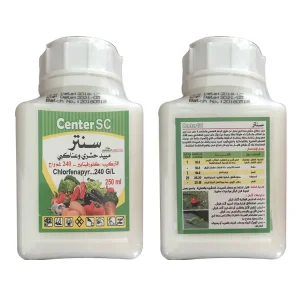
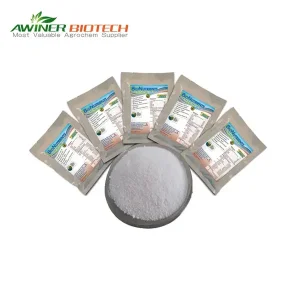
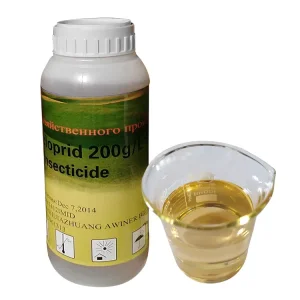
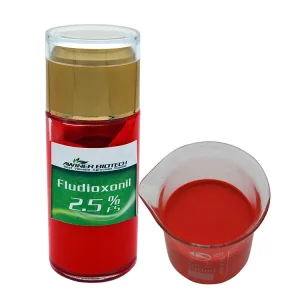
Explore our full line of insecticides, public health pest controls, rodenticides, and crop protection formulations available for export worldwide.
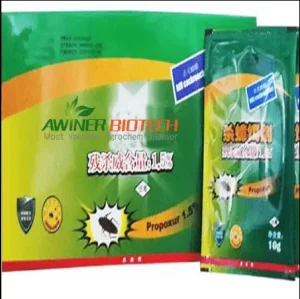
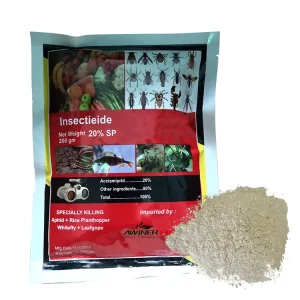
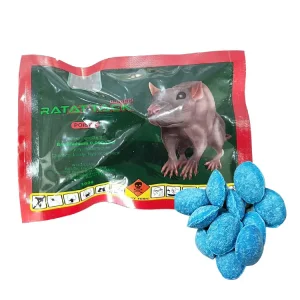
 Awiner Biotech