Explore our top-tier export-grade insecticide, rodenticide, and herbicide active ingredients formulated under strict ISO/GLP standards.
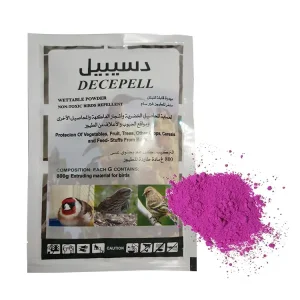
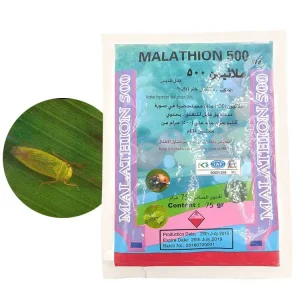
Navigating evolving regulatory hurdles, pest resistance challenges, and technological transitions in global crop protection and public health pest management.
The global agrochemical industry is experiencing a profound paradigm shift driven by demographic expansion, shrinking arable land per capita, and escalating vector-borne disease threats across tropical and sub-tropical zones. Modern B2B procurement officers and agricultural pesticide importers no longer seek mere volume; they demand precision-formulated active ingredients, verified physical stability, regulatory compliance packages (GLP data, FAO/WHO specifications), and zero supply-chain friction.
As pest species develop complex biological resistance against single-site modes of action (MOA), international buyers are shifting toward multi-component synergistic formulations (such as combination products like Abamectin + Spirodiclofen or Pyraclostrobin + Tebuconazole). Simultaneously, vector control programs spearheaded by public health authorities require specialized formulations (e.g., microemulsions, suspension concentrates, and targeted gel baits) that maximize residual bio-efficacy while minimizing non-target mammalian toxicity and environmental persistence.
Implementation of IRAC (Insecticide Resistance Action Committee) classification strategies, alternating active ingredient classes (Organophosphates, Neonicotinoids, Pyrethroids, Avermectins) to extend crop protection lifetime.
Transition from aromatic solvent-heavy Emulsifiable Concentrates (EC) to eco-friendly Water Dispersible Granules (WDG), Water Soluble Packets (SP), and Suspo-Emulsions (SE) with reduced volatile organic compound (VOC) footprints.
Enhanced formulation physics guaranteeing thermal stability, controlled droplet size for aerial drone application, uniform dispersion rates, and prolonged UV resistance under tropical agricultural conditions.
Why international buyers rely on Northern China's chemical synthesis powerhouses for competitive, resilient, and compliant pesticide export solutions.
China stands as the undisputed global hub for crop protection manufacturing, synthesizing over 60% of the world's agrochemical technical material (TC) and refined formulation blends. China's chemical industrial complexes feature unparalleled vertical integration: raw petrochemical feedstocks, intermediate synthesis plants, packaging container blowing facilities, and specialized pesticide analytical laboratories reside in synchronized regional ecosystems.
Situated in Shijiazhuang, Hebei Province—a core chemical industrial hub in Northern China adjacent to Beijing and connected to Tianjin Port—our industrial complex leverages this unmatched logistical and manufacturing proximity. This geo-industrial synergy empowers us to mitigate supply chain disruptions, optimize bulk chemical raw material sourcing, and deliver highly scalable wholesale pricing models directly to global commercial partners.
A technical breakdown of core active ingredient chemistries, target biological spectrums, and advanced formulation types manufactured for enterprise export.
| Active Ingredient / Product | CAS Number | Chemical Family / Class | Primary Target Spectrum | Formulation Types Offered |
|---|---|---|---|---|
| Brodifacoum | 56073-10-0 | Second-Generation Coumarin Anticoagulant | Synanthropic Rodents (Rattus norvegicus, Mus musculus) | 0.005% BAIT Wax Block |
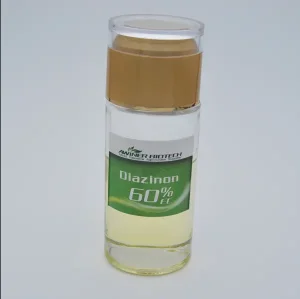
| Diazinon | 333-41-5 | Organophosphate Insecticide | Soil Insects, Flies, Cockroaches, Agricultural Pests | 60% EC 50% EC |
| Fipronil | 120068-37-3 | Phenylpyrazole (GABA Receptor Antagonist) | Termites, Ants, Cockroaches, Thrips, Stem Borers | 0.05% BAIT 5% SC 80% WDG |
| Malathion | 121-75-5 | Organophosphate Insecticide / Acaricide | Sucking Insects, Mosquitoes (Public Health), Locusts | 95% TC 50% EC 57% EC |
| Phoxim | 14816-18-3 | Organophosphate Insecticide | Underground Pests, Grain Storage Insects, Cotton Pests | 50% EC 40% EC |
| Spinosad | 168316-95-8 | Spinosyn Bio-Insecticide (Fermentation derived) | Caterpillars, Thrips, Leafminers (Organic Approved) | 480g/L SC 22.5% SC |
| Abamectin + Spirodiclofen | 71751-41-2 / 148477-71-8 | Macrocyclic Lactone + Tetronic Acid Derivative | Spider Mites, Rust Mites, Psyllids, Scale Insects | 10%+20% SC 5%+20% SC |
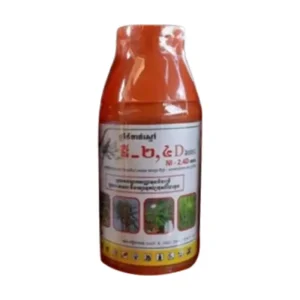
| 2,4-D Acid | 94-75-7 | Synthetic Auxin Herbicide | Broadleaf Weeds in Cereal Crops, Sugarcane, Pastures | 98% TC 720g/L SL 860g/L SL |
| Pyraclostrobin + Tebuconazole | 175013-18-0 / 107534-96-3 | Strobilurin + Triazole Fungicide Blend | Fungal Leaf Spots, Rust, Blight, Powdery Mildew | 20%+40% WDG 30% SC |
| Gibberellic Acid (GA3) | 77-06-5 | Plant Growth Regulator (PGR) | Fruit Set Enhancement, Seed Germination, Stem Elongation | 90% TC 10% SP 20% TB |
Choosing the optimal formulation type is essential for matching localized field environments, application equipment, and safety regulations:
Navigating complex international pesticide registrations with robust GLP laboratory data, FAO/WHO specifications, and customized local support.
Full support with Ministry of Agriculture and Rural Affairs (ICAMA) export certificates, chemical identity validation, manufacturing process flowcharts, and official batch analysis certificates.
Access to Good Laboratory Practice (GLP) accredited toxicity packages (acute oral, dermal, inhalation, eye irritation) and multi-region field trial efficacy reports required by local Ministries of Agriculture.
Rigorous quality control ensuring active ingredient purity, specific impurity limits, emulsifiable stability, wet sieve performance, and accelerated storage stability at 54°C meet Joint FAO/WHO specifications.
Commercializing agrochemicals requires overcoming high regulatory barriers in target countries. National agricultural bodies (such as MAPA in Brazil, SENASA in South America, NAFDAC in Nigeria, or Ministry of Agriculture in the Middle East & Central Asia) demand extensive, verified product dossiers prior to granting import permits.
As a seasoned wholesale exporter, we provide complete registration authorization letters (LOA), Certificates of Analysis (CoA) from ISO-certified analytical labs, Material Safety Data Sheets (MSDS/SDS) in multiple languages (English, Spanish, French, Russian, Arabic), and customized physical-chemical testing protocols to ensure seamless client registration approval.
From extensive broad-acre grain crop protection to dense urban vector control and post-harvest grain sanitation.
Crops: Rice, Maize, Wheat, Cotton, Soybeans, Fruit Orchards, Commercial Vegetables.
Combating leaf-chewing lepidoptera larvae, sap-sucking aphids, whiteflies, and mites. Utilizing combination chemical options like Abamectin + Spirodiclofen SC for mite control without inducing secondary pest resurgences.
Target Environments: Municipal Sewage, Urban Housing, Hospitals, Hotels, Commercial Kitchens.
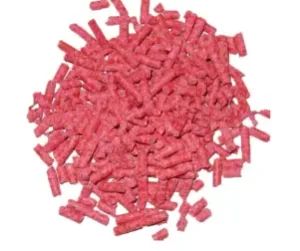
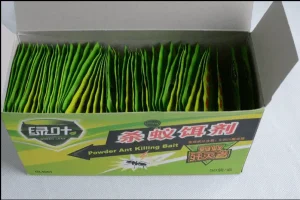
Deploying specialized public health formulations such as Fipronil 0.05% Bait and Brodifacoum 0.005% Rodent Block Bait for zero-odor, target-specific eradication of cockroaches and disease-carrying rodents.
Facilities: Commercial Grain Silos, Agricultural Warehouses, Fruit Storage & Distribution Hubs.
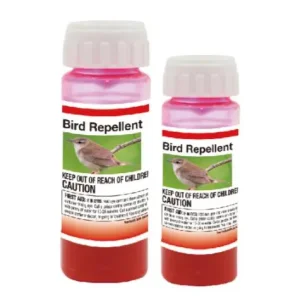
Implementing residual surface treatments (e.g., Phoxim 50% EC, Malathion Technical) and non-toxic physical barriers like Bird Repellent Gel to preserve harvested grain quality and avoid post-harvest storage losses.
Established in 2006, delivering high-performance agrochemical solutions and enterprise manufacturing excellence worldwide.
Founded in 2006, Awiner Biotech is strategically located in Shijiazhuang, Hebei Province, in Northern China—in close proximity to the capital city of Beijing, with convenient access to major deep-water industrial ports. Awiner Biotech is dedicated to the research, synthesis, formulation, and global distribution of advanced agrochemicals, specializing in insecticides, herbicides, fungicides, plant growth regulators (PGRs), and public health vector control products.
Driven by scientific innovation and rigorous Quality Control (QC), our modern manufacturing facilities adhere strictly to ISO international standards. Every batch undergoes extensive chromatographic analysis (HPLC, GC) to guarantee active ingredient content, emulsion stability, and shelf-life durability before leaving our facility.
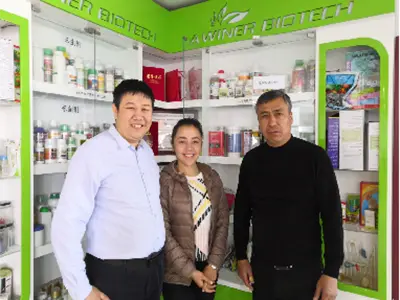
Up to now, Awiner Biotech has secured long-term commercial partnerships across over 50 countries and regions worldwide, including:
Iraq, Iran, Afghanistan, Pakistan, India, Libya, Syria, Turkey, Yemen, Ukraine, Russia, Kazakhstan, Uzbekistan, Chile, Bolivia, Mexico, Brazil, Paraguay, Nigeria, Djibouti, Rwanda, Somalia, Malaysia, Cambodia, Nepal, Myanmar, and beyond.
Exhibitions & Field Surveys: We actively participate in international chemical and agricultural exhibitions in Turkey, Iran, Pakistan, Nigeria, Russia, Cambodia, Malaysia, Uzbekistan, and other agricultural hubs. Furthermore, our senior technical teams regularly visit customer countries to conduct on-site market inspections, analyze regional pest pressure, optimize field performance, and provide tailored technical support for local growers and commercial buyers.
Discover our technical chemical solutions, broad-spectrum weed killers, biopesticides, and plant growth regulators.
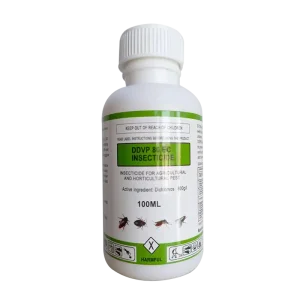
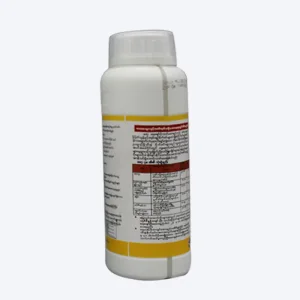
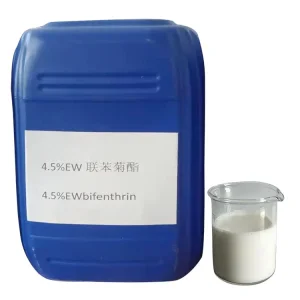
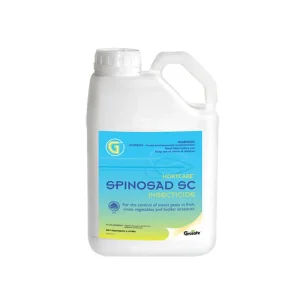
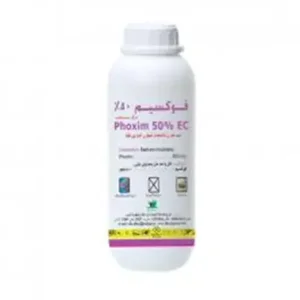
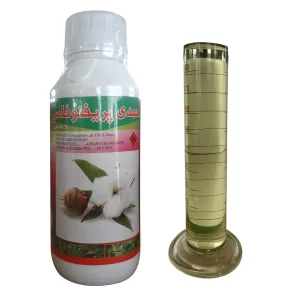
A step-by-step technical guide for enterprise importers to ensure formulation purity, packaging safety, and international maritime compliance.
Always verify technical material active purity percentage (HPLC) and specific impurity caps before approving high-volume production. Request pre-shipment samples for internal lab validation.
Ensure liquid formulations (e.g., EC, SL) are bottled in fluorinated or multi-layer CO-HDPE containers to prevent solvent degradation, bottle collapsing, and vapor escape during tropical ocean transport.
Partner with suppliers versed in IMO Dangerous Goods Class 3, Class 6.1, and Class 9 transport protocols, UN-certified drums/cartons, and official MSDS generation for smooth customs clearance.
Addressing technical, regulatory, packaging, and logistical questions for international agrochemical distributors.
 Awiner Biotech