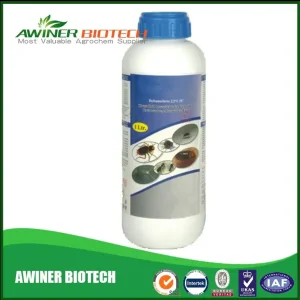
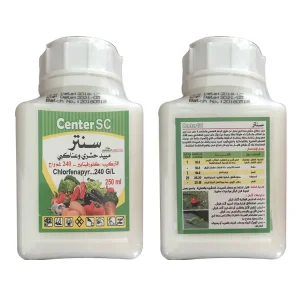
Mite pests, specifically belonging to the family Tetranychidae (spider mites), Eriophyidae (gall mites), and Tarsonemidae (broad mites), represent one of the most destructive biological challenges to modern commercial agriculture and urban horticulture worldwide. With accelerating climate change, rising ambient temperatures, and shortened generation cycles, phytophagous mite populations exhibit exponential reproduction rates, leading to severe yield losses in high-value cash crops including citrus, cotton, apples, grapes, tea, and greenhouse vegetables.
From an industrial and B2B perspective, the global market for **wholesale mite insecticides (acaricides)** is undergoing a massive structural transition. Traditional broad-spectrum organophosphates and synthetic pyrethroids are rapidly facing efficacy degradation due to metabolic and target-site resistance developed by species such as Tetranychus urticae (two-spotted spider mite) and Panonychus citri (citrus red mite). Consequently, agrochemical importers, regional distributors, and large-scale agricultural enterprises require multi-stage acaricide solutions that deliver high selectivity, minimal impact on beneficial predatory mites (e.g., Phytoseiidae), and robust resistance management frameworks.
Managing mite resistance mandates strategic active ingredient rotation based on the IRAC (Insecticide Resistance Action Committee) classification. Advanced wholesale suppliers must offer diverse chemistry portfolios spanning:
Founded in 2006, Awiner Biotech has established itself as an authoritative leader in technical-grade chemical synthesis, formulation development, and international export of agrochemicals. Headquartered in Shijiazhuang, Hebei Province—the core of Northern China's agrochemical industrial hub—Awiner Biotech profits from seamless logistics connectivity to Beijing and Major Tianjin Port hubs, facilitating expedited export handling to over 30 countries globally.
Operating state-of-the-art automated formulation lines for SC (Suspension Concentrate), EC (Emulsifiable Concentrate), WDG (Water Dispersible Granules), and SL (Soluble Concentrate).
Providing full GLP toxicological data, ICAMA certificates, dossier preparation for local country registration, and strict adherence to international FAO standards.
Tailored packaging from 100ml bottles to 200L bulk drums, featuring customized high-density fluorinated containers to guarantee long shelf-life in tropical climates.
Our operational strategy relies heavily on deep field-level understanding. Awiner Biotech's agronomic team conducts extensive market inspections across key agricultural sectors globally, conducting diagnostic evaluations of regional pest resistance trends, field performance, and climatic variables.
To date, our commercial network spans across diverse geographic markets including Iraq, Iran, Afghanistan, Pakistan, India, Libya, Syria, Turkey, Yemen, Ukraine, Russia, Kazakhstan, Uzbekistan, Chile, Bolivia, Mexico, Brazil, Paraguay, Nigeria, Djibouti, Rwanda, Somalia, Malaysia, Cambodia, Nepal, Myanmar, and beyond. We actively participate in major global industry exhibitions across Turkey, Russia, Pakistan, Nigeria, and Uzbekistan to reinforce long-term strategic relationships with regional formulators and government procurement bodies.
To select the optimal wholesale acaricide solution, B2B buyers must evaluate active ingredient profiles against specific crop parameters, target life stages (egg, larva, nymph, adult), and environmental safety margins. The table below details our primary high-efficacy formulations engineered for commercial exports:
| Active Ingredient & Formulation | CAS Registry No. | Target Pests Controlled | Primary Mode of Action | Optimal Field Application |
|---|---|---|---|---|
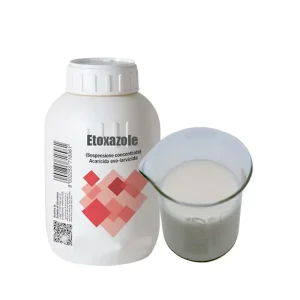
| Etoxazole 110g/L SC / 20% WDG | 153233-91-6 | Citrus Red Mite, Two-Spotted Spider Mite, Rust Mites | Diphenyl oxazoline chitin synthesis inhibitor; powerful ovicidal & nymphicidal activity. | Citrus orchards, cotton, stone fruit, and ornamental plants during early infestation phase. |
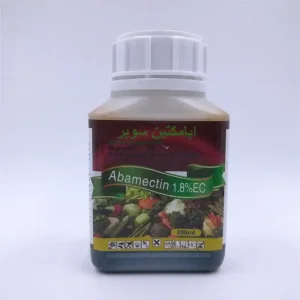
| Abamectin 1.8% / 3.6% / 5.0% EC | 71751-41-2 | Spider Mites, Leafminers, Nematodes | Macrocyclic lactone; stimulates GABA neurotransmission causing paralysis. Translaminar action. | Fruit trees, greenhouse vegetables, strawberry, and open-field row crops. |
| Chlorfenapyr 360g/L SC | 122453-73-0 | Resistant Mites, Thrips, Bed Bugs, Armyworms | Pyrrole pro-insecticide; uncouples oxidative phosphorylation in cell mitochondria. | High-resistance zones in cotton, commercial greenhouses, and urban pest control. |
| Bifenthrin 5% SC / 10% EC | 82657-04-3 | Broad Mite, Whiteflies, Aphids, Public Health Pests | Non-systemic synthetic pyrethroid with rapid knock-down contact and stomach action. | Public health perimeter sprays, maize, tea plantations, and integrated pest management. |
| Deltamethrin 25g/L SC | 52918-63-5 | Public Health Vectors, Beetles, Caterpillars | Potent voltage-gated sodium channel modulator providing rapid knockdown. | Structural pest management, broad-acre crop protection, and vector control programs. |
Formulation technology dictates biological performance in variable climatic conditions. Awiner Biotech leverages precise physical-chemical processing to maximize chemical stability and delivery efficiency:
Global distributors sourcing wholesale acaricides require chemical reliability, competitive pricing, scale adaptability, and regulatory compliance. China's chemical manufacturing ecosystem provides unmatched structural advantages that drive total cost optimization for B2B buyers worldwide.
China synthesizes over 70% of the world's agrochemical active ingredients (TC). Localized sourcing of key intermediates minimizes supply disruption risks and protects buyers from global price volatility.
High-capacity chemical synthesis units and fully automated continuous-flow processing plants significantly reduce unit manufacturing costs while achieving consistent purity levels exceed 98% TC standards.
Modern Chinese pesticide production plants operate under strict national environmental protection laws, utilizing zero-emission wastewater treatment and VOC recovery, guaranteeing continuous production without shutdown risks.
Every commercial consignment exported by Awiner Biotech undergoes a strict 5-stage Quality Assurance (QA) protocol prior to release:
Achieving effective mite management requires adapting formulation choice and application parameters to regional climate conditions, canopy structure, and pest pressure profile.
Citrus red mite (Panonychus citri) damages leaves and fruit rind, inducing stippling, chlorosis, and premature fruit drop. In high-sunlight regions such as Brazil, Turkey, and Spain, mite populations produce up to 15 generations annually.
Recommended Strategy: Apply early-season sprays of Etoxazole 110g/L SC at the onset of egg-laying to sterilize female adults and eliminate egg batches. In mid-season under overlapping generations, combine with Abamectin 1.8% EC to clear adult populations, ensuring thorough canopy coverage with minimum water volume of 1,000–1,500 L/ha.
Two-spotted spider mites thrive under hot, dry dusty conditions created by arid weather. Silk webbing spun by dense mite colonies creates hydrophobic shields preventing spray penetration.
Recommended Strategy: Utilize tank mixes containing high-penetration adjuvants with Chlorfenapyr 360g/L SC or Abamectin 3.6% EC. High spray pressure (3–5 bar) is essential to penetrate the lower leaf surfaces where mites concentrate.
In greenhouse rose, tomato, and cucumber production, high relative humidity and warm temperatures generate rapid life cycles. Chemical phytotoxicity is a primary concern for delicate glasshouse crops.
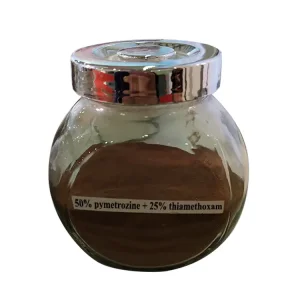
Recommended Strategy: Deploy zero-solvent formulations such as Etoxazole WDG or Pymetrozine WDG. Alternate modes of action every 14 days to prevent rapid resistance build-up.
Navigating global chemical sourcing requires precise execution regarding regulatory compliance, container packaging specs, and customs clearing documentation.
| Procurement Parameter | Specification & Option Standards | B2B Value Added Service |
|---|---|---|
| Packaging Sizes | 100ml, 250ml, 500ml, 1L COEX/HDPE Bottles; 5L, 20L Drums; 200L Steel/Plastic Drums; Customized Small Sachets (10g–100g). | Full structural design, artwork branding, multi-language label translation, and UV-resistant bottle coating. |
| Regulatory Registration | ICAMA Registration Certificates, FAO Standard Analysis, COA, MSDS, Certificate of Origin (Form E, Form A, CO). | Provision of complete registration dossier (GLP toxicological studies, analytical methods, field efficacy data). |
| Minimum Order Quantity (MOQ) | Technical Grade (TC): 500 kg; Liquid Formulations (SC/EC/SL): 1,000 Liters; Solid Formulations (WDG/WP): 500 kg. | Flexible consolidated container loading (FCL/LCL) combining multiple insecticides, herbicides, and fungicides. |
| Logistics & Shipping | Dangerous Goods (DG) IMO Class 9 / Class 6.1 compliant container loading; palletized shrink-wrapping; port clearing support. | Direct shipping routes from Tianjin, Qingdao, and Shanghai ports with sea freight optimization. |
The global crop protection industry is undergoing rapid innovation. Key technological shifts defining the future of wholesale acaricide manufacturing include:
 Awiner Biotech