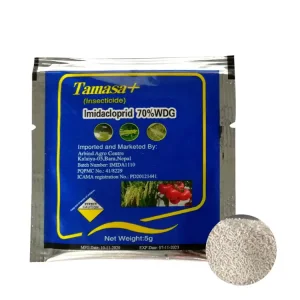
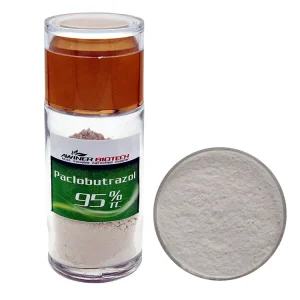
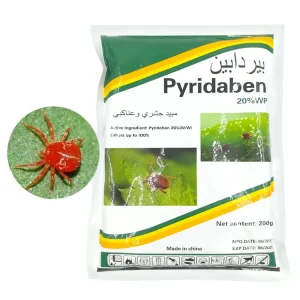
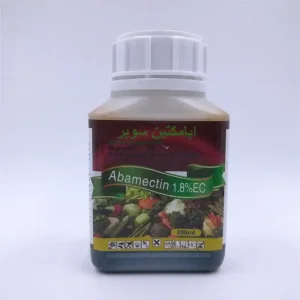
Neonicotinoid insecticides represent a cornerstone in modern agricultural chemistry, engineered specifically to target sucking insects like aphids (family Aphididae), whiteflies, planthoppers, and thrips. Belonging to the IRAC (Insecticide Resistance Action Committee) Group 4A, these synthetic neuro-active chemicals are structural analogues of nicotine. Their primary toxicological pathway involves selective agonism of the postsynaptic nicotinic acetylcholine receptors (nAChR) within the central nervous system of insects.
When an aphid ingests or contacts active active ingredients such as Imidacloprid, Acetamiprid, Thiamethoxam, Clothianidin, Dinotefuran, or Nitenpyram, the neonicotinoid molecules bind irreversibly to the nAChR site. Unlike acetylcholine, which is rapidly degraded by the acetylcholinesterase (AChE) enzyme, neonicotinoids cannot be hydrolyzed. This leads to continuous, uninhibited stimulation of nerve cells, causing rapid depolarization of the neuronal membranes, convulsions, paralysis, and ultimate death of the pest.
Upon foliage spraying, seed treatment, or drenching, neonicotinoids penetrate the leaf cuticle or root epidermis and enter the vascular xylem tissue. Water-mediated acropetal translocation carries the active ingredient toward apical growing points, offering continuous systemic protection against colonizing aphid vectors.
Even at sub-lethal concentrations, neonicotinoid molecules inhibit aphid stylet penetration into phloem sieve elements. This immediate knockdown effect reduces the transmission of destructive plant viruses like Barley Yellow Dwarf Virus (BYDV) and Potato Virus Y (PVY).
The high affinity of neonicotinoids for insect-type nAChRs compared to vertebrate nicotinic receptors gives them a favorable mammalian safety profile when deployed under optimized agricultural concentrations and strict adherence to PHI (Pre-Harvest Interval) protocols.
Technical Information Gain: Neonicotinoid molecules exhibit varied lipophilicity (Log Kow) and water solubility. For example, Imidacloprid (Log Kow 0.57, water solubility 0.61 g/L) provides long residual soil activity, whereas Dinotefuran (water solubility 39.8 g/L) demonstrates rapid root and foliar systemic uptake for urgent aphid outbreak suppression.
For B2B buyers, importers, and agricultural distributors, selecting the appropriate active ingredient depends on crop chemistry, local pest pressure, climate conditions, and target aphid species (e.g., Myzus persicae, Aphis gossypii, Brevicoryne brassicae, Aphis glycines).
| Active Ingredient | Chemical Family Sub-Group | Water Solubility (20°C) | Primary Target Aphid Species | Formulation Variants | Key Agronomic Advantages |
|---|---|---|---|---|---|
| Imidacloprid | Chloropyridinyl (Nitroguanidine) | 0.61 g/L | Green Peach Aphid, Cotton Aphid | 75% WDG, 200g/L SC, 600g/L FS | High residual soil/seed treatment longevity; excellent root absorption. |
| Acetamiprid | Chloropyridinyl (Cyanoamidines) | 4.25 g/L | Melon/Cotton Aphid, Apple Aphid | 20% SP, 70% WDG, 200g/L EC | Superior safety profile for beneficial insects; lower toxicity to pollinators. |
| Thiamethoxam | Thianicotinyl (Nitroguanidine) | 4.10 g/L | Cereal Aphids, Soybean Aphids | 25% WDG, 350g/L FS, 50% WDG | Triggers plant vigor physiological response; rapid systemic translocation. |
| Clothianidin | Thiazolyl (Nitroguanidine) | 0.327 g/L | Corn Rootworm Aphids, Cereal Aphids | 50% WDG, 600g/L FS | Direct high-potency toxic metabolite; persistent protection against subterranean pests. |
| Dinotefuran | Furanicotinyl (Nitroguanidine) | 39.8 g/L | Resistant Peach-Potato Aphids, Whiteflies | 20% SG, 30% SC, 70% WDG | 3rd Gen chemistry; fast knock-down speed; works on organophosphate-resistant strains. |
| Nitenpyram | Chloropyridinyl (Nitromethylene) | 840 g/L | Brown Planthopper, Field Crop Aphids | 50% SG, 10% SL, 80% WDG | Ultra-rapid knock-down effect within 15-30 minutes of application. |
Aphids are recognized globally as one of the most economically destructive pest families in commercial agriculture. Beyond direct sap depletion which weakens crops, stunts growth, and causes leaf curling, aphids act as primary vectors for over 150 pathogenic plant viruses. Economic damage spans across staple food grains, industrial cash crops, greenhouse horticulture, and open-field fruit production.
Major demand centers around Midwestern corn and soybean belts targeting Aphis glycines. Pre-season seed treatments (e.g., Thiamethoxam/Clothianidin FS) dominate the market to secure initial emergence stand densities.
Vast agricultural regions in Brazil, Argentina, Chile, and Bolivia face heavy aphid pressures in cotton, grain legumes, and citrus. Formulations combining neonicotinoids with pyrethroids (e.g., Imidacloprid + Bifenthrin) are favored for broad-spectrum knockdown.
Grain production zones across Ukraine, Russia, and Kazakhstan rely heavily on broad-acre foliar sprays of Imidacloprid 200g/L SL and Acetamiprid 20% SP to control wheat and barley cereal aphids (*Sitobion avenae*).
Markets in Turkey, Egypt, Nigeria, and Pakistan utilize cost-effective WDG and EC formulations to protect solanaceous crops (tomatoes, peppers) and cotton crops under intense heat conditions.
Regulatory evolution globally has driven a transition toward targeted application technologies. High-concentration formulations (such as 75% WDG and 80% WG) are increasingly preferred by multinational buyers because they reduce packaging waste, lower international freight costs per active unit, and minimize worker exposure during tank mixing.
China is the global hub for chemical synthesis and formulation processing of neonicotinoid active ingredients. The country's structural advantages stem from complete upstream raw material integration, advanced chemical engineering infrastructure, and unmatched economies of scale.
Chinese chemical clusters control key raw chemical building blocks, such as 2-chloro-5-chloromethylpyridine (CCMP) for Imidacloprid/Acetamiprid and 2-chloro-5-chloromethylthiazole (CCMT) for Thiamethoxam. This internal supply chain prevents global bottleneck disruptions.
Modern factories utilize continuous flow reactors, computerized temperature control, and closed-loop crystallization. This automation ensures batch-to-batch consistency with technical grade (TC) purity levels regularly exceeding 98% to 99%.
Leading facilities operate zero-emission liquid effluent treatment plants (ETP) and thermal oxidizer exhaust scrubbers, maintaining steady production compliance under stringent environmental audits.
Awiner Biotech Strategic Location Advantage: Headquartered in Shijiazhuang, Hebei Province—the core chemical and agrochemical industrial base of Northern China—Awiner Biotech leverages immediate proximity to Beijing transportation networks and Tianjin Port. This strategic position streamlines international export logistics and reduces lead times from factory floor to global shipment vessel.
The field efficacy of neonicotinoid insecticides depends heavily on advanced formulation chemistry. Utilizing the right surfactant systems, wetting agents, and particle size reduction technology guarantees maximum foliar retention, rainfastness, and uptake speed.
Dustless, dry formulations engineered via fluid bed granulation. They dissolve completely within seconds in spray tanks, creating stable suspensions without nozzle clogging. Excellent for long-distance transport and long shelf storage.
Water-based liquid formulations featuring micro-milled active particles (median diameter < 3 microns). SC formulations provide high biological availability, minimal leaf burning (phytotoxicity), and zero volatile organic solvent emissions.
True solution formulations designed for immediate molecular dissolution upon contact with water. Preferred for high-concentration Acetamiprid or Dinotefuran applications demanding instant absorption into leaf tissues.
Specialized film-forming seed coatings. Contain sticking agents and colorants to ensure uniform seed coverage. Protects sprouting crops during the critical first 30–45 days post-germination.
| Crop Category | Target Aphid Vector | Recommended Active & Dosage | Application Method | Agronomic Value Delivered |
|---|---|---|---|---|
| Cereal Crops (Wheat, Barley) | Sitobion avenae (English Grain Aphid) | Imidacloprid 200g/L SL @ 100-150 mL/Ha | Foliar boom spray at flag leaf stage | Prevents head feeding damage and stops BYDV viral spread. |
| Vegetables (Tomato, Pepper) | Myzus persicae (Peach-Potato Aphid) | Acetamiprid 20% SP @ 150-200 g/Ha | High-pressure foliar canopy spray | Rapid control without leaves burning; compliant with strict MRL limits. |
| Cotton & Oilseeds | Aphis gossypii (Cotton Aphid) | Thiamethoxam 25% WDG @ 80-120 g/Ha | Foliar spray or soil drench | Eliminates honeydew accumulation on cotton bolls, preserving fiber grade. |
| Fruit Orchards (Citrus, Apple) | Aphis citricidus, Aphis pomi | Dinotefuran 20% SG @ 100-150 g/Ha | Early season canopy air-blast application | Overcomes baseline resistance in heavy pest pressure zones. |
For international buyers securing wholesale orders from agrochemical factories, ensuring rigorous chemical compliance and quality verification is essential. A single batch failure can result in port detention, crop phytotoxicity, or loss of retail distribution licenses.
Every manufacturing batch must undergo high-performance liquid chromatography (HPLC) testing to confirm active ingredient content meets target concentrations within narrow FAO/WHO tolerances (e.g., ±2.5% for high-concentration products).
Formulations undergo strict accelerated heat storage stability tests (54°C for 14 days) and cold storage tests (0°C for 7 days) to ensure no active ingredient degradation, phase separation, or granule caking occurs during oceanic transit.
Professional factories provide tailored packaging solutions ranging from 100mL / 100g retail foil pouches and PET/COEX bottles to 200L UN-certified steel drums and 500kg FIBC bulk totes, equipped with tamper-evident seals and anti-counterfeiting holograms.
Founded in 2006, Awiner Biotech is located in Shijiazhuang, Hebei Province, Northern China. Positioned close to Beijing, the city offers seamless access to international logistics, port terminals, and technical research networks. Awiner Biotech is dedicated to the research, synthesis, formulation engineering, and international distribution of advanced agrochemicals—specializing in high-potency insecticides, herbicides, fungicides, plant growth regulators, and public health pesticides.
Awiner Biotech has established supply partnerships and regulatory approvals across more than 40 nations, serving agricultural buyers in Iraq, Iran, Afghanistan, Pakistan, India, Libya, Syria, Turkey, Yemen, Ukraine, Russia, Kazakhstan, Uzbekistan, Chile, Bolivia, Mexico, Brazil, Paraguay, Nigeria, Djibouti, Rwanda, Somalia, Malaysia, Cambodia, Nepal, Myanmar, and beyond.
The technical team actively participates in top-tier international agrochemical expos worldwide, including major industry tradeshows across Turkey, Iran, Pakistan, Nigeria, Russia, Cambodia, Malaysia, and Uzbekistan.
Awiner Biotech conducts localized market inspections inside client countries to evaluate crop conditions, analyze emerging aphid resistance patterns, optimize tank-mixing protocols, and deliver tailored field solutions directly to distributors and commercial growers.
 Awiner Biotech