Immediate B2B factory availability for public health vector intervention programs across Nairobi, Mombasa, Kisumu, and Rift Valley agricultural hubs.
Kenya serves as the economic, logistical, and commercial gateway to East Africa. However, its tropical and sub-tropical climate, rapid urbanization in metropolitan centers like Nairobi and Mombasa, and extensive agricultural production create ideal breeding conditions for public health vectors. Pest control in Kenya is not merely a residential convenience—it is a critical component of national biosecurity, food safety, and disease suppression.
From vector-borne disease suppression (Malaria transmitted by Anopheles mosquitoes, Dengue and Chikungunya transmitted by Aedes aegypti) to agricultural storage defense against Rattus rattus and Rattus norvegicus, the demand for high-potency, stable, and environmental-compliant chemical agents has grown exponentially. Distributors, municipal disease control units, and commercial pest control operators (PCOs) in Kenya face increasing pressure to procure cost-effective formulations registered with the Pest Control Products Board (PCPB).
Understanding the macroeconomic shifts, climate realities, and regulatory demands governing vector control solutions in Kenya.
Rapid expansion in Nairobi, Nakuru, and Kisumu has amplified municipal sanitation requirements. Luxury hotels, food processing facilities, and high-density residential developments mandate strict non-repellent insecticides (e.g., Imidacloprid, Thiamethoxam) and odorless rodenticide blocks to maintain HACCP compliance.
Bi-modal rainfall seasons in Kenya trigger localized outbreaks of vector-borne illnesses. Strategic application of organophosphate larvicides such as Temephos 1% SG in stagnant water bodies and urban drainage is essential to disrupt vector breeding cycles before adult emergence.
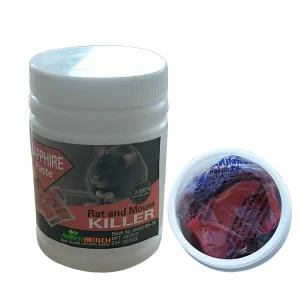
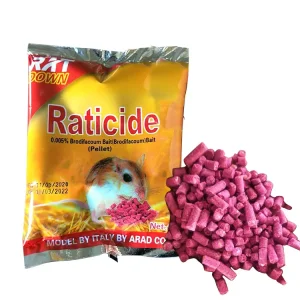
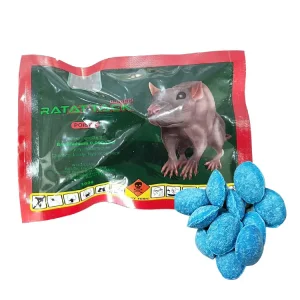
Overuse of first-generation anticoagulants has led to widespread rodent resistance across agricultural granaries. B2B procurement is rapidly shifting toward single-feed second-generation anticoagulants (SGARs) like Brodifacoum (0.005%) formulated into weather-resistant wax blocks.
Engineered for tropical resilience, high active ingredient bioavailability, and compliance with WHO/PCPB public health specifications.
| Active Ingredient / Product | Formulation Type | CAS Number / Grade | Target Pests (Kenya Vector Profile) | Primary Application Field |
|---|---|---|---|---|
| Brodifacoum 0.005% | Wax Block / Bait / Gel | 56073-10-0 | Rattus rattus, Mus musculus, Field Rodents | Granaries, Warehouses, Municipal Sewers |
| Temephos 1% | Sand Granule (SG) | 3383-96-8 | Mosquito Larvae (Anopheles, Aedes, Culex) | Stagnant Water, Swamps, Drainage Systems |
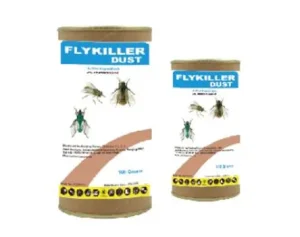
| Thiamethoxam 1% + Tricosene 0.1% | Fly Bait / WDG | 153719-23-4 | Musca domestica (Houseflies), Blowflies | Poultry Farms, Livestock Facilities, Dumpsites |
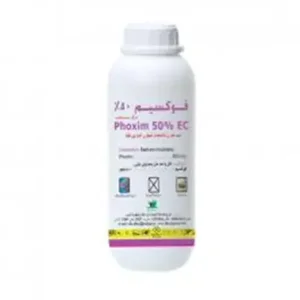
| Permethrin 500g/L | Emulsifiable Concentrate (EC) | 52645-53-1 | Mosquitoes, Bedbugs, Cockroaches, Fleas | Indoor Residual Spraying (IRS), Thermal Fogging |
| Permethrin 0.3% + Cypermethrin | Emulsion in Water (EW) | 52645-53-1 / 71697-59-1 | Crawling & Flying Urban Insects | Residential Homes, Hotels, Warehouses |
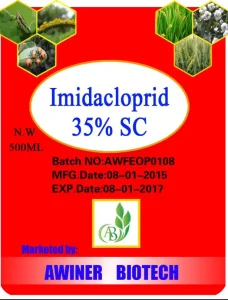
| Imidacloprid 35% / 2% | SC / Granule (GR) | 138261-41-3 | Termites, Cockroaches, Structural Ants | Pre/Post-Construction Soil Barrier, Gel Baits |
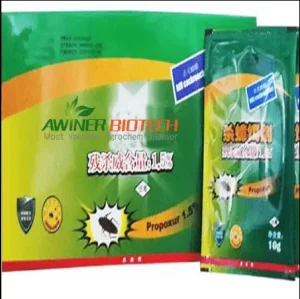
| Propoxur 1.5% | Ready-to-Use Bait | 114-26-1 | German Cockroaches, Ants, Crawling Bugs | Commercial Kitchens, Food Processing Lines |
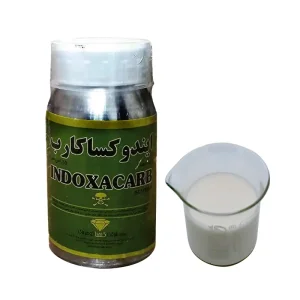
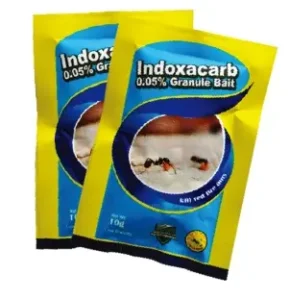
| Indoxacarb 0.05% | Gel Bait / Powder | 144171-61-9 | Resistant Cockroach Species | Sensitive Indoor Environments, Hospitals |
Implementing effective vector control across Kenya requires moving beyond sporadic chemical spraying toward a structured Integrated Vector Management (IVM) framework. Global supply chain partners must deliver not only raw chemicals, but engineered solutions that maintain stability in elevated equatorial temperatures and high-humidity coastal zones such as Mombasa and Malindi.
Post-harvest losses in Kenya due to rodent contamination account for thousands of tons of grain annually. Utilizing multi-edge paraffinized Brodifacoum bait blocks ensures water-resistance in high-moisture maize granaries while delivering lethal single-feed efficiency to prevent bait shyness.
Controlling Anopheles breeding sites in irrigation schemes (e.g., Mwea Rice Scheme) requires slow-release sand granules like Temephos 1% SG. Granular formulations sink to the bottom of target water bodies, releasing active ingredients gradually without disrupting non-target aquatic flora when applied at recommended rates.
For Kenyan agricultural chemical importers, commercial pest management companies, and regional distributors, navigating supply chain volatility, sea freight logistics to the Port of Mombasa, and currency fluctuations requires transparent factory pricing models:
Meeting PCPB Kenya standards while pioneering next-generation eco-friendly vector control formulations.
We provide complete technical dossiers, certificates of analysis (COA), material safety data sheets (MSDS/SDS), and toxicological evaluation reports necessary for fast-tracking PCPB registration in Kenya.
Transitioning active ingredients into microencapsulation formulations (CS) provides extended residual control on porous surfaces such as mud walls and timber structures, reducing application frequency.
Focusing on low-mammalian toxicity actives and bio-degradable carriers to protect Kenya’s rich biodiversity, wildlife corridors, and livestock ecosystems.
Factory-direct wholesale pricing available for private label (OEM), government procurement tenders, and regional pesticide distributors.
Awiner Biotech was founded in 2006, located in north of China—Shijiazhuang, Hebei Province. The city is close to our capital Beijing, ensuring rapid logistics and convenient transport connections.
Awiner Biotech is committed to research, produce, and distribute agrochemicals. We mainly deal with pesticides, herbicides, fungicides, plant growth regulators, and specialized public health pesticides.

Addressing regulatory, technical, logistical, and commercial inquiries for the Kenya market.
Request latest wholesale pricelists, COA/MSDS technical documentation, and free sample kits tailored for Kenya’s pest control market.
Send Inquiry Now Awiner Biotech