 Awiner Biotech
1 / 4
| Function | Bromadiolone |
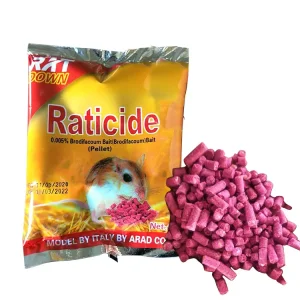
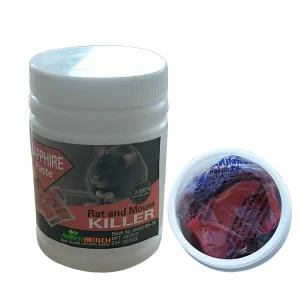
| Specification | 98%TC, 0.005%Bait, 0.5%TK, 0.01% |
| Chemical Name | 3-[3-(4'-bromo[1,1'-biphenyl]-4-yl)-3-hydroxy-1-phenylpropyl]-4-hydroxy-2H-1-benzopyran-2-one |
| CAS No. | 28772-56-7 |
| Category | Insecticide / Rodenticide |
| Toxicology |
Oral: Acute oral LD50 for rats 1.125, mice 1.75, rabbits 1.00, dogs >10.0, cats >25.0 mg/kg. Skin and Eye: Acute percutaneous LD50 for rabbits 1.71 mg/kg. Inhalation: LC50 for male and female rats 0.43 mg/l. NOEL: In 90 d feeding trials on rats and dogs, the only effect noted, at 8 mg/kg daily, was reduction in prothrombin rating. Toxicity Class: WHO (a.i.) Ia; EPA (formulation) I |
| Applications | Control of rats and mice (including those resistant to warfarin) in areas containing stored products, household use, industrial buildings, and other situations. Formulation types: CB; CP; RB. |
Uses: Control of rats and mice (including those resistant to warfarin) in areas containing stored products, household use, industrial buildings, and other situations. Formulation types: CB; CP; RB.
Bromadiolone is primarily used to control rats and mice, including pest populations that have developed resistance to warfarin.
It is suitable for public health pest control, households, industrial facilities, agricultural structures, and areas containing stored products.
The CAS registry number for Bromadiolone is 28772-56-7.
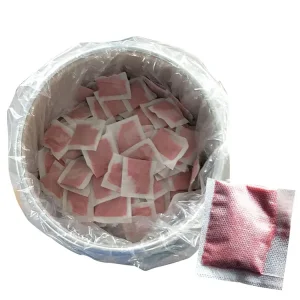
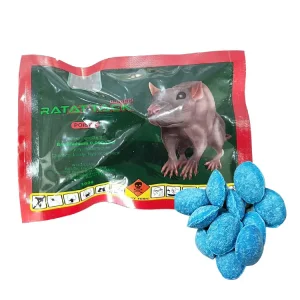
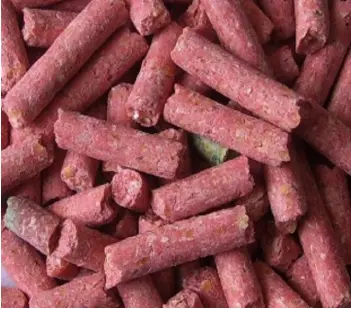
Common available formulations include 98% TC, 0.005% Bait, 0.5% TK, and 0.01% in various types such as CB, CP, and RB.
The active ingredient is classified as WHO Toxicity Class Ia (Extremely Hazardous) and EPA Formulation Class I. Professional handling and safety measures are required during placement.