 Awiner Biotech
1 / 5
Birds: Acute oral LD50 for mallard ducks >4640 mg/kg. Dietary LC50 (8 d) for mallard ducks >8039, quail >5620 mg/kg diet. NOEL for reproduction for mallard ducks >70, bobwhite quail >55 mg/kg daily.
Fish: Toxic to fish under laboratory conditions; LC50 (96 h) for rainbow trout 0.91, bluegill sunfish 1.4 mg/l. Not toxic to fish under natural conditions.
Daphnia & Algae: Daphnia LC50 (48 h) 3.5 mg/l. Algae EC50 (96 h) for Selenastrum capricornutum >9.1 mg/l. Low LD50 and LC50 values under laboratory conditions do not represent a significant hazard to aquatic fauna in normal field use.
Bees & Worms: Toxic to bees, LD50 (oral) 79 ng/bee; (contact) 51 ng/bee. Low LD50/LC50 values under laboratory conditions do not represent a hazard to bees in normal field use. Worms LC50 (14 d) for earthworms >1290 mg/kg soil.
Mode of Action: Non-systemic insecticide with contact and stomach action. Fast-acting.
Crop Protection: A potent insecticide effective by contact and ingestion against a wide range of pests. Crop protection uses include Coleoptera (2.5-7.5 g/ha), Heteroptera (5.0-7.5 g/ha), Homoptera (6.2-12.5 g/ha), Lepidoptera (5.0-21 g/ha), and Thysanoptera (5-10 g/ha) in cereals, citrus, cotton, grapes, maize, oilseed rape, soya beans, top fruit, and vegetables. Controls Acrididae (5.0-12.5 g/ha) and recommended against locusts. Soil surface sprays (2.5-5.0 g/ha) control Noctuidae.
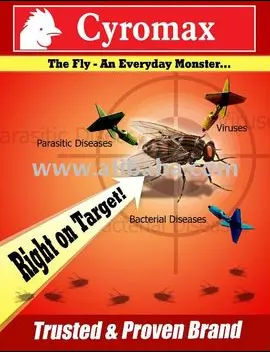
Public Health & Livestock: Used against indoor crawling and flying insects (12.5 mg/m²) and pests of stored grain (0.25-0.5 g/t) and timber (Blattodea, Culicidae, Muscidae). Dip or spray (12.5-75 mg/l) and pour-on (0.75 mg/kg b.w.) applications give good control of Muscidae, Tabanidae, Ixodidae, and other Acari on cattle, sheep, and pigs.
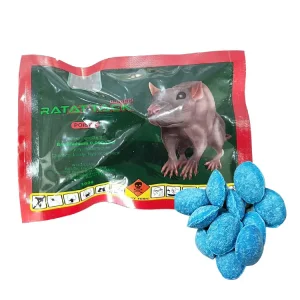
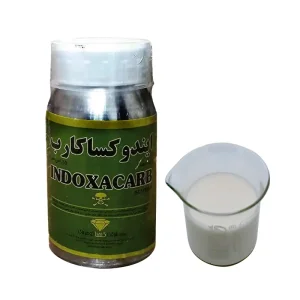
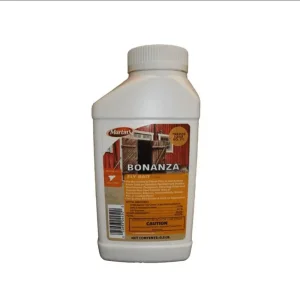
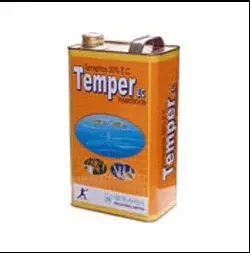
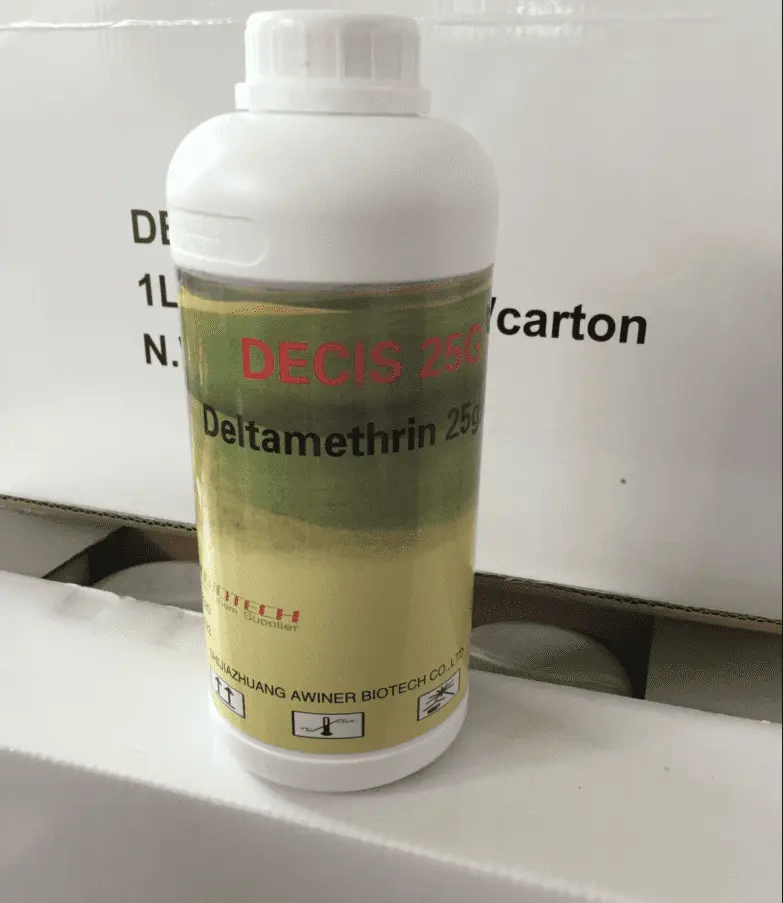
Bulk Packaging: 25KG/DRUM, 25KG/BAG, 250KG/220KG/200L/20L DRUM
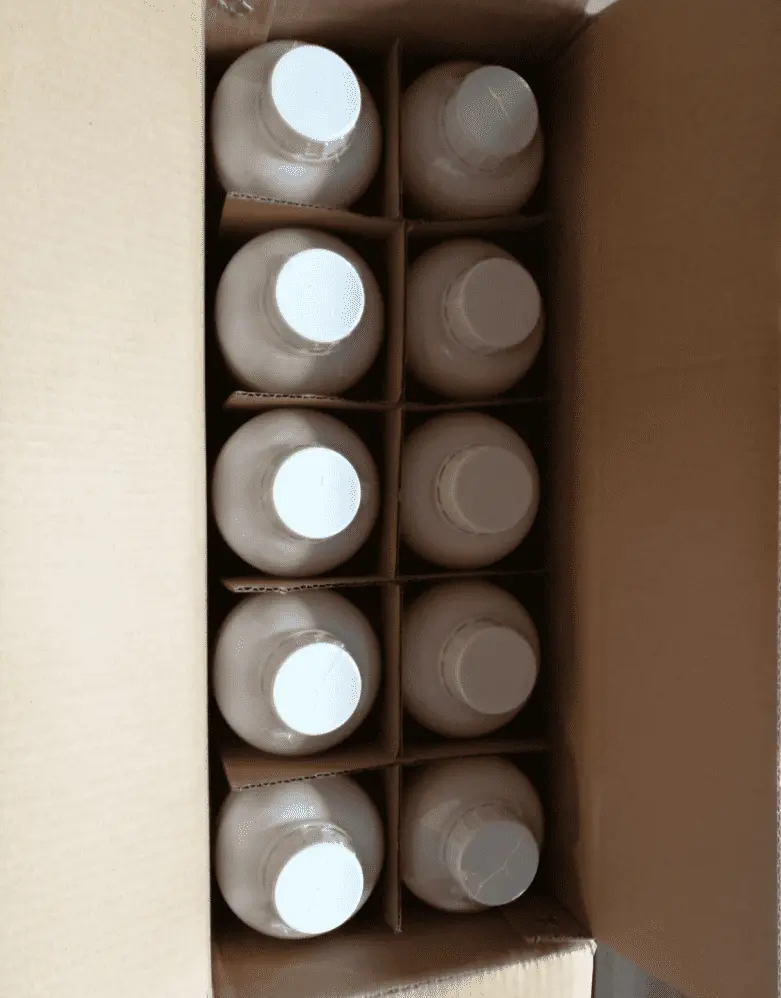
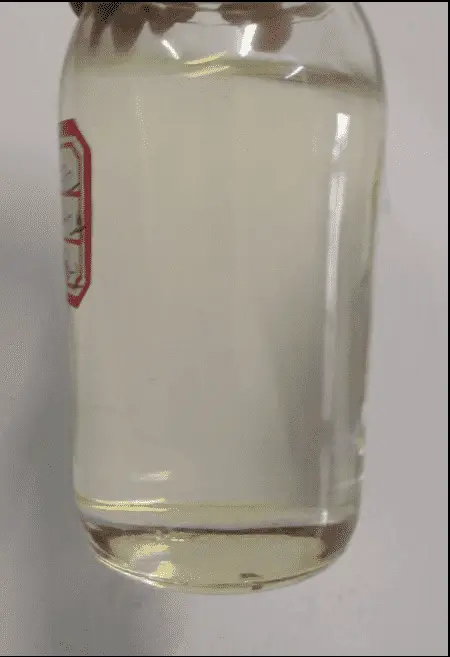
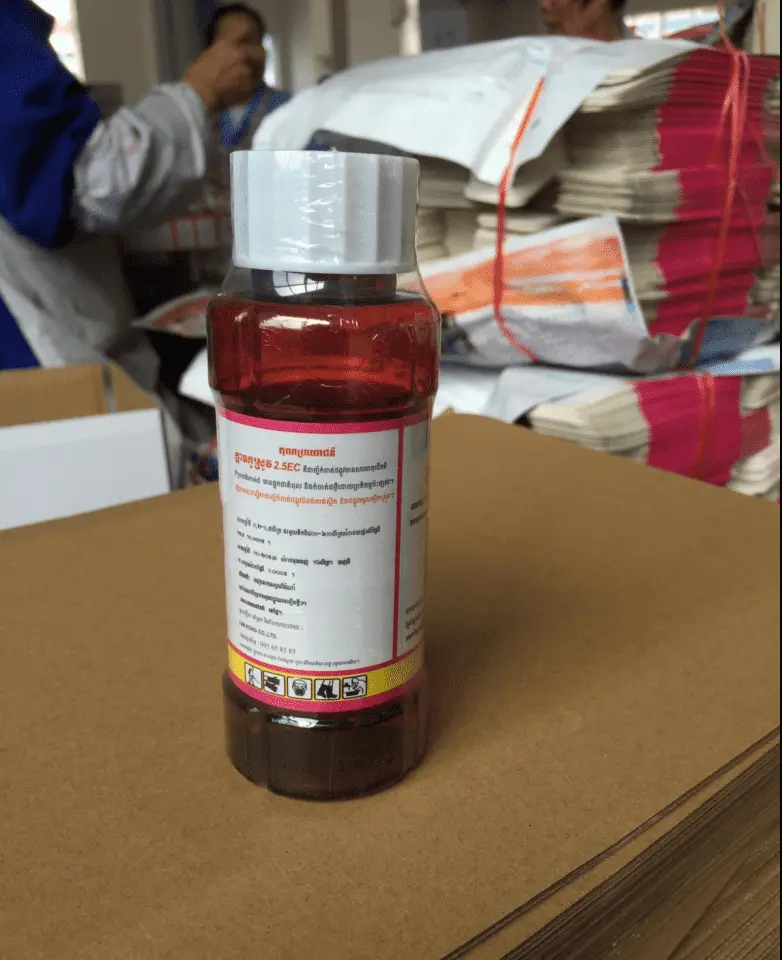
Small & Retail Packaging: 1KG/500G/250G/100G ALU BAG; 10L/5L/DRUM; 1L/500ML/250ML/100ML BOTTLE
Deltamethrin is a fast-acting, non-systemic insecticide. It works through contact and stomach action, making it effective against a broad spectrum of pests in crop protection, public health, and animal health.
It protects crops such as cereals, citrus, cotton, grapes, maize, oilseed rape, soybeans, and vegetables from pests including Coleoptera, Heteroptera, Homoptera, Lepidoptera, Thysanoptera, and locusts.
The CAS Registry Number for Deltamethrin is 52918-63-5, and its chemical empirical formula is C22H19Br2NO3.
Yes, it is effective against indoor crawling and flying insects, pests of stored grains, and timber. It can also be applied as a spray or dip to control ticks, flies, and mites on cattle, sheep, and pigs.
While lab tests show toxicity to fish and bees, under normal field application rates it does not present a significant hazard to aquatic fauna or bee populations.
Deltamethrin comes in various formulations such as EC, SC, WG, WP, UL, and DP. Packaging ranges from small 100ml bottles and 100g bags to large 200L drums and 25kg bags.