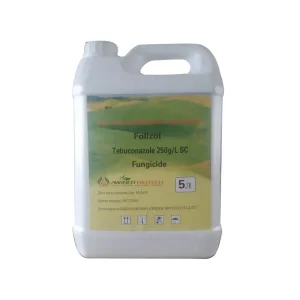
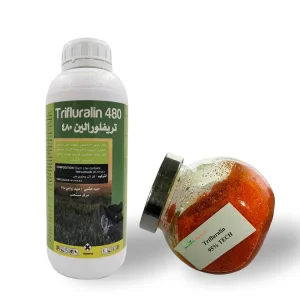
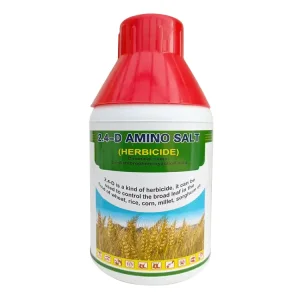
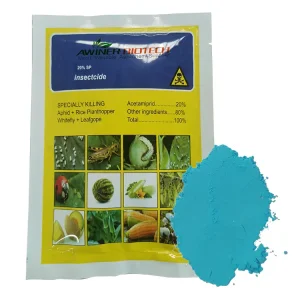
Explore directly sourced, high-purity pesticides, systemic fungicides, selective herbicides, and plant growth regulators ready for global export.
Understanding active ingredient dynamics, price trends, and manufacturing capabilities for international B2B agrochemical buyers, distributors, and formulators.
Strategic Sourcing Intelligence: The global agricultural pest control market has shifted towards integrated supply chain reliance on Chinese chemical manufacturing. Modern agrochemical procurement demands not only competitive FOB pricing, but also strict batch stability, zero-impurity active ingredient (TC) synthesis, customized environmental formulation types (SC, WDG, SL), and comprehensive regulatory support for local registration.
China commands complete backward integration in phosphorus, chlorine, bromine, and fluorine raw material chains. This industrial integration isolates production costs from global spot-market spikes, providing long-term pricing stability for international distributors.
Strict domestic environmental policies have transformed manufacturing processes. High-VOC Emulsifiable Concentrates (EC) are increasingly replaced by high-efficiency Suspensions (SC), Water Dispersible Granules (WDG), and Soluble Concentrates (SL) to lower ecotoxicity.
Entering overseas agricultural markets requires robust registration compliance. Chinese manufacturers provide OECD GLP-certified data packages, ICAMA export certificates, COA, MSDS, and field-trial reports required by local Ministries of Agriculture.
Agrochemical pricing is determined by active ingredient purity, emulsifier system quality, solvent choices, and specialized packaging options.
| Active Ingredient / Chemical Category | Common Formulations | Key Agricultural Target | Formulation Tech Specs | Price Influence Factors |
|---|---|---|---|---|
| Glyphosate (Organophosphorus) | 480g/L SL 75.7% WDG | Broad-acre non-selective weed control | High-surfactant isopropylamine / ammonium salt | Yellow phosphorus raw material cost, energy tariffs |
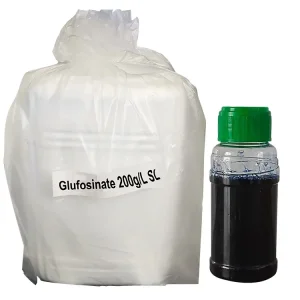
| Glufosinate-Ammonium (Phosphinic acid) | 200g/L SL 150g/L SC | Glyphosate-resistant weeds, orchard clearance | Rapid contact activity, non-residual soil action | Intermediates (MDP) synthesis efficiency & scale |
| Pyraclostrobin + Difenoconazole | 15%+10% WDG 30% SC | Broad-spectrum crop disease management | Dual-action systemic respiration inhibitor | Triazole & Strobilurin technical grade TC purity |
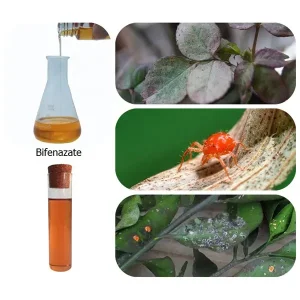
| Bifenazate (Carbazate) | 24% SC 80% WDG | Mite control in citrus, tea, and ornamentals | Selective neuro-inhibitor targeting all mite stages | Specialty chemical reaction steps & patent expiry |
| Permethrin / Flumethrin | 500g/L EC 1% EC | Public health vector control & livestock protection | High knock-down synthetic pyrethroid formulation | Isomer ratio balance (cis:trans), solvent regulation |
| Cytokinin 6-BA (Plant Regulator) | 99% TC 2% SP | Bud formation, cell division in tea & tobacco | Ultra-low dosage plant tissue growth stimulant | Purification crystallisation technique requirements |
| Cymoxanil (Acetamide) | 50% WDG 25% WP | Downy mildew & late blight in vegetables | Local systemic preventative and curative action | Moisture sensitivity packaging & stability additives |
Pricing directly correlates with the concentration of Technical Grade (TC) active ingredients. Pure TC is refined into customer-ready formulations by adding wetters, dispersants, anti-foaming agents, and organic solvents. Higher purity TC ensures longer shelf life and prevents formulation crystallization during storage.
Agrochemical products require specialized hazard-rated packaging. Options range from 100mL fluorinated HDPE bottles, aluminum foil sachets for WDG, up to 200L UN-certified steel drums or 1000L IBC totes. Custom label printing and outer carton thickness influence final unit pricing.
Exporting to highly regulated zones like South America, the EU, or Northern Africa requires full GLP toxicological data, batch analysis (5-batch reports), and environmental fate studies. Supplier-provided registration dossiers represent value-added investments embedded in export quotations.
Maximizing agronomic efficacy through crop-specific chemical selection, resistance management, and environmental adaptation.
Non-selective systemic herbicides like Glyphosate 480g/L SL and Glufosinate-Ammonium 200g/L SL serve as foundational burndown solutions for pre-planting field preparation. Selective post-emergence herbicides such as 2,4-D Dimethyl Amine Salt 720g/L SL target tough broadleaf weeds without harming monocot crops.
Specialty fruits require residual pest management without leaving leaf burn or excessive residue. Pyraclostrobin 15% + Difenoconazole 10% WDG controls anthracnose and scab while enhancing plant greening. Plant growth regulators like Cytokinin 6-BA encourage lateral bud break and foliage growth in commercial tea and tobacco cultivation.
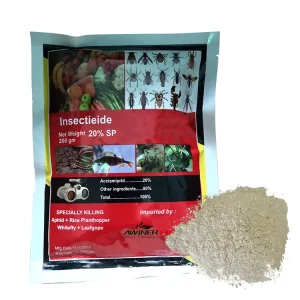
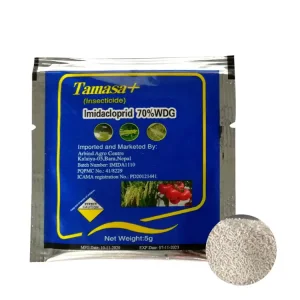
Sucking pests such as whiteflies, aphids, and thrips are effectively managed by Acetamiprid 20% SP and Imidacloprid 75% WDG. Dual systemic action ensures rapid translaminar movement to target pests hiding under leaves. Fungicides such as Cymoxanil 50% WDG stop late blight outbreaks in tomatoes and potatoes.
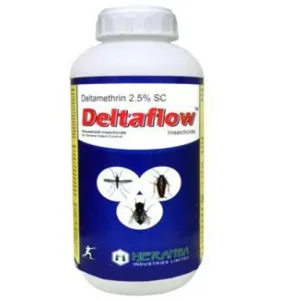
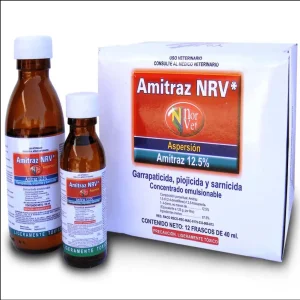
Beyond open fields, synthetic pyrethroids like Permethrin 500g/L EC and Flumethrin 1% EC are formulated for municipal vector control, indoor residual spraying (IRS), and veterinary livestock tick prevention. Amitraz 12.5% EC offers specialized acaricidal protection against ectoparasites.
Founded in 2006, delivering high-performance crop protection chemicals and vector control solutions worldwide.
Awiner Biotech was founded in 2006, located in northern China at Shijiazhuang, Hebei Province. Situated in close proximity to China's capital city, Beijing, our facility benefits from streamlined transportation networks and direct logistics access to Tianjin Seaport, facilitating rapid international export shipments.
Awiner Biotech is dedicated to the research, synthesis, formulation, and global distribution of advanced agrochemicals. Our comprehensive commercial portfolio spans selective & non-selective herbicides, systemic insecticides, broad-spectrum fungicides, biological plant growth regulators, and public health vector control pesticides.
Through rigorous quality control and responsive localized support, Awiner Biotech has established lasting long-term supply partnerships across more than 30 nations across the globe:
Established Partner Network: Iraq, Iran, Afghanistan, Pakistan, India, Libya, Syria, Turkey, Yemen, Ukraine, Russia, Kazakhstan, Uzbekistan, Chile, Bolivia, Mexico, Brazil, Paraguay, Nigeria, Djibouti, Rwanda, Somalia, Malaysia, Cambodia, Nepal, Myanmar, and beyond.
We regularly participate in international agrochemical expos across key regions including Turkey, Iran, Pakistan, Nigeria, Russia, Cambodia, Malaysia, and Uzbekistan.
Our technical team conducts on-the-ground market surveys in client countries to inspect local crop performance, analyze pest resistance challenges, evaluate climate-specific formulation stability, and host client delegations at our Chinese manufacturing complexes.
Essential guidance on minimum order quantities, ICAMA registration dossiers, quality testing, and international logistics.
Explore our complete list of targeted herbicides, insecticides, and specialized chemical solutions.
 Awiner Biotech