 Awiner Biotech
1 / 3
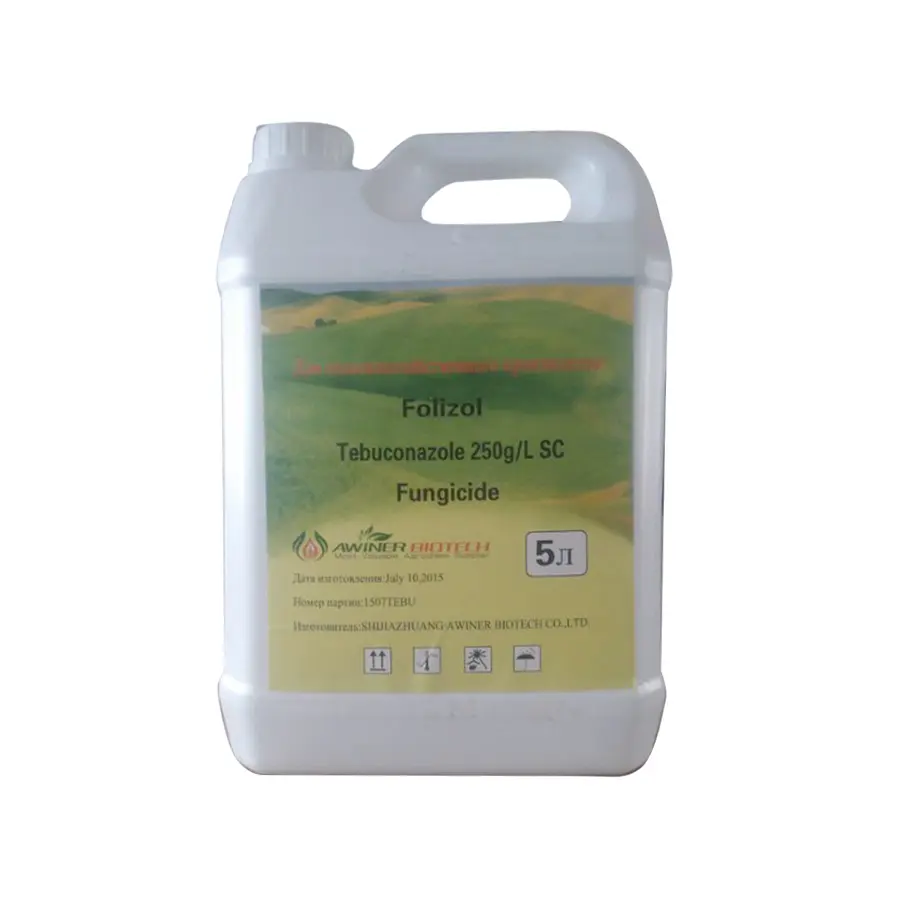
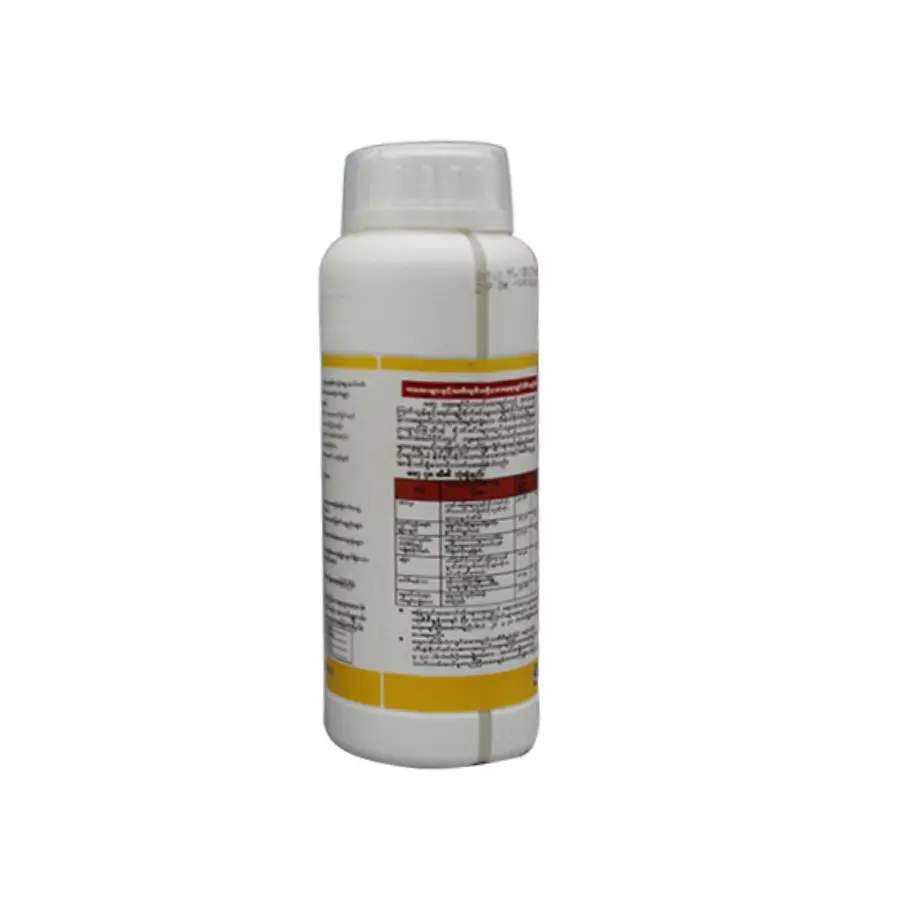
Tebuconazole is a triazole fungicide that inhibits the biosynthesis of ergosterol, a vital component of fungal cell membranes. By disrupting ergosterol production, tebuconazole prevents fungal growth and reproduction, ultimately leading to the control of various fungal diseases such as powdery mildew, rusts, and leaf spot diseases in crops.
Trifloxystrobin belongs to the strobilurin class of fungicides and acts by inhibiting the mitochondrial respiration in fungal cells. This disrupts the energy production process, leading to the collapse of the fungal cell’s metabolism and ultimately its death. Trifloxystrobin is effective against a wide range of fungal pathogens, including those causing diseases like leaf spot, powdery mildew, and gray mold.
Both tebuconazole and trifloxystrobin provide broad-spectrum protection against fungal diseases and are commonly used in integrated disease management programs to ensure effective control and minimize the risk of resistance development in fungal populations.
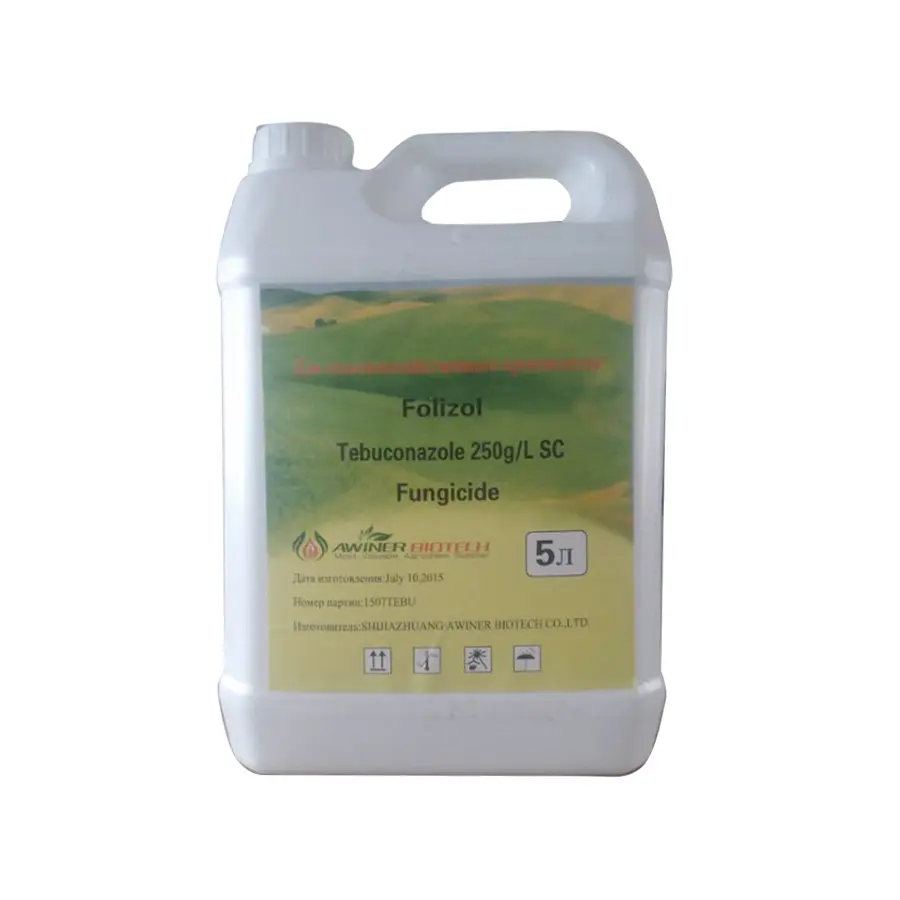
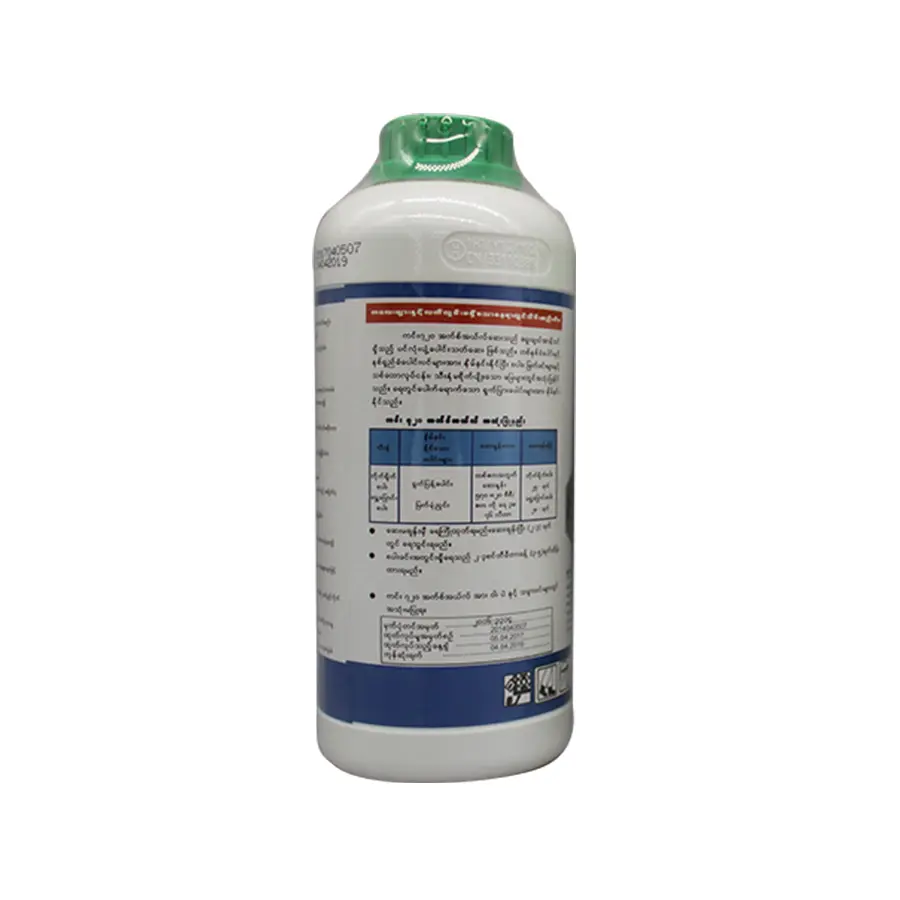
They are active fungicide compounds used to control and protect crops against a variety of fungal diseases.
As a triazole fungicide, Tebuconazole inhibits ergosterol biosynthesis in fungal cell membranes, preventing fungal growth and reproduction.
Trifloxystrobin belongs to the strobilurin class and disrupts energy production by inhibiting mitochondrial respiration in fungal cells.
They are effective against broad-spectrum fungal diseases including powdery mildew, rusts, leaf spot diseases, and gray mold.
Combining these two distinct modes of action ensures robust disease protection while reducing the risk of fungal resistance development.