Direct factory quotes for enterprise distributors, commercial growers, and municipal pest management organizations.
Piercing-sucking insects represent one of the most economically devastating taxons in global agriculture. Insect orders such as Hemiptera (including aphids, whiteflies, planthoppers, scale insects, and leafhoppers) and Thysanoptera (thrips), alongside acarid vectors such as spider mites, possess specialized stylet mouthparts engineered to penetrate plant vascular tissues. By siphoning phloem sap and xylem fluid directly from host plants, these pests deprive crops of essential photosynthetic photoassimilates, induce cellular desiccation, and trigger severe physiological stress.
Beyond direct yield losses caused by vegetative sap depletion, sucking insects act as primary biological vectors for phytopathogenic plant viruses. For instance, Bemisia tabaci (Sweetpotato Whitefly) vectors over 300 Begomovirus species causing Tomato Yellow Leaf Curl Virus (TYLCV), while Myzus persicae (Green Peach Aphid) transmits Potyviruses, and Nilaparvata lugens (Brown Planthopper) vectors Rice Ragged Stunt Virus. Furthermore, the excretion of sugar-rich honeydew facilitates dense colonization by sooty mold fungi (Capnodiaceae), drastically impairing foliar photosynthetic capacity and rendering commercial produce unmarketable.
China’s agrochemical manufacturing cluster has advanced from basic synthesis to sophisticated co-formulation chemistry. Modern pest control strategies mandate multi-target chemical dynamics to mitigate insecticide resistance development according to Insecticide Resistance Action Committee (IRAC) guidelines.
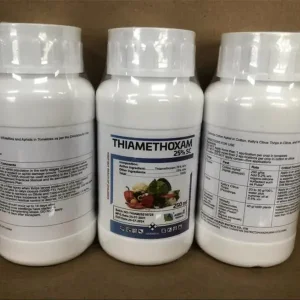
Actives such as Thiamethoxam and Acetamiprid act as agonist binders at nicotinic acetylcholine receptors (nAChR) within the insect central nervous system. Highly water-soluble with rapid acropetal systemic mobility, providing extended residual control of sap-sucking nymphs and adults.
Molecules like Lambda-cyhalothrin and Cypermethrin keep voltage-gated sodium channels open, causing immediate nerve depolarization, paralysis, and rapid knockdown. When paired with systemic neonicotinoids, they deliver dual-action instant control + residual defense.
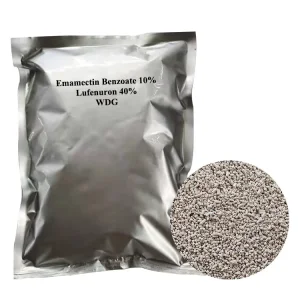
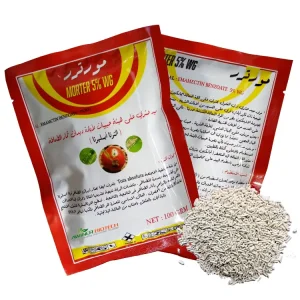
Emamectin Benzoate stimulates gamma-aminobutyric acid (GABA) and glutamate-gated chloride channels, stopping feeding within hours. Co-formulated with Lufenuron (Chitin Biosynthesis Inhibitor), it disrupts cuticle molting in larval and nymphal stages.
Achieving target toxicity against cryptically hidden pests demands understanding active ingredient mobility. Systemic insecticides applied via soil drench or seed treatment enter roots and navigate xylem vessels driven by transpiration stream pressure. Foliar applications utilize translaminar movement, penetrating upper leaf cuticles to form reservoir pockets within mesophyll tissue, ensuring mortality when thrips or mites feed on non-sprayed leaf undersides.
Agrochemical performance is closely connected to regional agronomic practices, climatic conditions, and micro-climates. China's chemical factories produce tailored formulation ratios (WDG, SC, EC, DF) optimized for specific global farming eco-zones:
High humidity inside protected greenhouse structures accelerates the reproduction of Trialeurodes vaporariorum (Greenhouse Whitefly) and Thrips tabaci. Applying Emamectin Benzoate 5% WDG or Acetamiprid 20% SP prevents rapid pest build-up while leaving minimal visible residue on leafy greens and solanaceous crops (tomatoes, peppers, eggplants).
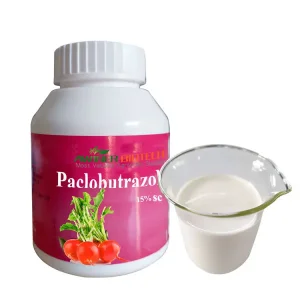
In wheat, corn, and rice fields, sucking pests cause severe yield drops. Rice brown planthoppers induce "hopperburn," turning fields brown and dry. Tank-mixing systemic insecticides with plant growth regulators like Brassinolide 90% TC or Paclobutrazol 15% SC neutralizes pest populations while boosting chlorophyll retention and root resilience under moisture stress.
A common agricultural diagnostic challenge is sudden nocturnal leaf collapse in Cucurbitaceae fields. While framed as overnight damage, this phenomenon typically stems from unchecked infestations of spider mites (Tetranychus urticae) or nocturnal flea beetles combined with sap-draining melon aphids (Aphis gossypii). Under warm temperatures, pest populations reach a tipping point where cellular integrity fails, causing rapid wilting.
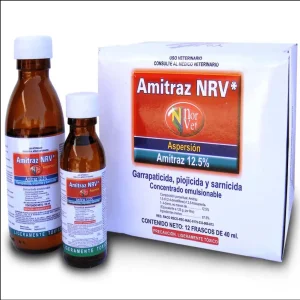
Technical Intervention Protocol: Immediate foliar spray combining Amitraz 12.5% EC (for acarid knockdown) and Thiamethoxam + Lambda-Cyhalothrin SC delivers immediate contact kill, systemic suppression of remaining adults, and disruption of egg hatch cycles.
China manufactures over 70% of the world’s agrochemical active ingredients (TC) and finished formulations. Enterprise buyers sourcing from leading industrial manufacturing zones gain structural competitive advantages:
Direct cluster integration with chemical synthesis hubs (chlor-alkali, phosphorus, and intermediate synthesis plants) secures steady access to precursor technical materials, insulating international buyers from global supply shocks.
High-efficiency fluid bed granulators, jet mills, and automated micro-emulsification technology ensure precise particle size distribution (d90 < 5 microns) in Water Dispersible Granules (WDG) for superior leaf coverage.
Flexible automated filling lines process private label requests ranging from 10ml ampoules and 100g foil sachets up to 200L UN-rated steel drums, compliant with IMDG and IATA dangerous goods transport standards.
Strengthening global food security through chemical innovation, strict quality control, and direct international trade support since 2006.
Awiner Biotech was founded in 2006, located in north of China - Shijiazhuang, Hebei Province. The city is close to our capital Beijing, and transportation is convenient. Awiner Biotech is committed to research, produce, and distribute agrochemicals, mainly dealing with pesticides, herbicides, fungicides, plant growth regulators, and public health pesticides.
Up to now, we have won customers from Iraq, Iran, Afghanistan, Pakistan, India, Libya, Syria, Turkey, Yemen, Ukraine, Russia, Kazakhstan, Uzbekistan, Chile, Bolivia, Mexico, Brazil, Paraguay, Nigeria, Djibouti, Rwanda, Somalia, Malaysia, Cambodia, Nepal, Myanmar, and so on.
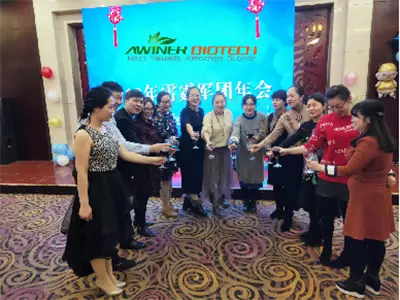
Our countries participating in international exhibitions include Turkey, Iran, Pakistan, Nigeria, Russia, Cambodia, Malaysia, Uzbekistan, etc. We regularly visit customer countries to conduct market inspections, analyze and solve field problems, and optimize product usage. Customers also visit our manufacturing plants in Shijiazhuang for facility audits and contract renewals.
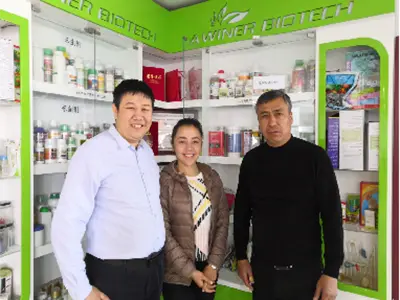
Certified active ingredients, fungicides, rodenticides, and plant growth regulators ready for wholesale order placement.
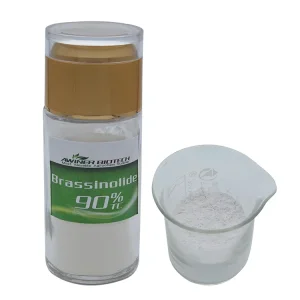
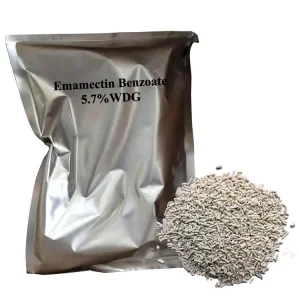
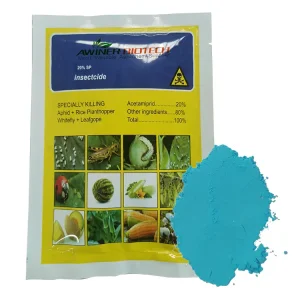
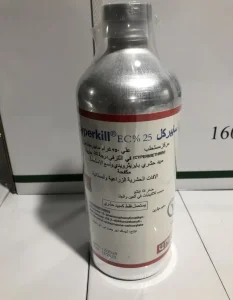
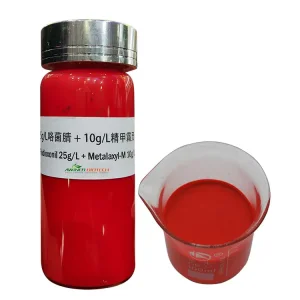
Direct expert insights on formulation selection, systemic application timing, factory container loading, and international regulatory support.
 Awiner Biotech