Explore our technical-grade and formulation-ready crop protection portfolio engineered for maximum bioavailability, thermal stability, and anti-resistance efficiency.
The Diamondback Moth (DBM), scientifically classified as Plutella xylostella (Lepidoptera: Plutellidae), stands universally acknowledged as the most destructive oligophagous pest threatening brassica crops worldwide. Aggressively damaging crops including cabbage, broccoli, cauliflower, kale, and oilseed rape, this pest inflicts economic damage estimated to exceed USD 4 to 5 billion annually across global agricultural systems.
The biological architecture of Plutella xylostella presents an extraordinary evolutionary challenge for chemical control. Characterized by high fecundity, short generation cycles (14–21 days under optimal ambient temperatures), and overlapping generations, DBM populations possess an unprecedented capacity for developing metabolic, target-site, and behavioral resistance to conventional synthetic insecticides.
Up-regulation of cytochrome P450 monooxygenases, glutathione S-transferases (GSTs), and carboxylesterases (COEs) rapidly degrades synthetic active ingredients before reaching target sites.
Single nucleotide polymorphisms (SNPs) within voltage-gated sodium channels (kdr), acetylcholinesterase genes (ace-1), and ryanodine receptors (RyR) diminish active binding affinities.
Thickening of the larval epicuticle impedes contact toxicity penetration, while drop-off feeding behaviors reduce chemical exposure duration in field applications.
Modern lepidopteran control hinges upon breaking multi-drug resistance (MDR) mechanisms through precise biochemical targeting. Awiner Biotech's R&D department synthesizes and formulates high-potency chemical combinations optimized for rapid knockdown and extended residual action.
| Chemical Class / Active Ingredient | IRAC MoA Group | Primary Target Site | Resistance Risk | Awiner Co-Formulation Advantage |
|---|---|---|---|---|
| Diamides (e.g., Chlorantraniliprole) | Group 28 | Ryanodine Receptor Modulators | Moderate to High | Engineered micro-emulsion SC formats for systemic leaf tissue absorption. |
| Avermectins (e.g., Abamectin, Emamectin Benzoate) | Group 6 | Glutamate-gated Chloride Channel Allosteric Modulators | Moderate | Paired with IGRs (Chlorbenzuron) to halt chitin synthesis across larval stages. |
| Pyrroles (e.g., Chlorfenapyr) | Group 13 | Uncouplers of Oxidative Phosphorylation via Disruption of Proton Gradient | Low to Moderate | Pro-insecticide formulation requiring enzymatic activation; ideal resistance breaker. |
| Neonicotinoids / Organophosphates (e.g., Acetamiprid, Chlorpyrifos) | Group 4A / 1B | nAChR Agonists & Acetylcholinesterase Inhibitors | High (if solo) | Multi-way EC tank-mix synergies targeting broad-spectrum sucking-chewing pest complexes. |
Combining Abamectin (0.5%) with Chlorbenzuron (24.5%) SC creates a dual-action mechanism. Abamectin induces paralytic hyper-polarization of neuromuscular junctions, while Chlorbenzuron inhibits chitin synthase-1 (CHS1), blocking cuticle deposition during larval ecdysis. This dual pathway prevents adults from laying viable eggs while annihilating early instar larvae.
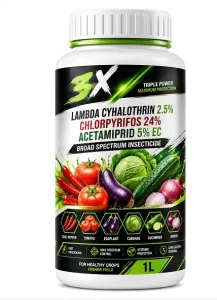
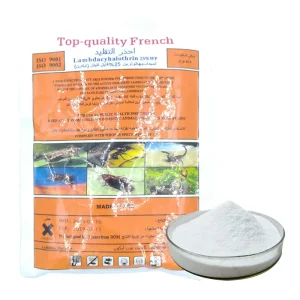
Formulations blending Lambda-Cyhalothrin + Chlorpyrifos + Acetamiprid EC attack the insect central nervous system via multiple vectors. This approach eliminates secondary pests like Brevicoryne brassicae (cabbage aphids) and Thrips tabaci concurrently with DBM outbreaks, lowering labor and application costs for commercial growers.
The global agrochemical supply chain demands absolute reliability, regulatory compliance, and cost competitiveness. Situated in Shijiazhuang, Hebei Province—Northern China's prime chemical production cluster near Beijing—Awiner Biotech leverages a robust industrial ecosystem to guarantee steady raw material synthesis and global delivery resilience.
Direct access to raw precursor chemicals reduces supply chain volatility and protects global B2B buyers from cost surges driven by spot-market fluctuations.
High-shear jet milling and automated suspension-concentrate (SC) emulsification achieve sub-micron particle distributions (D90 < 2.5 µm), ensuring exceptional spray retention and dispersion stability.
Every commercial production batch undergoes high-performance liquid chromatography (HPLC) and gas chromatography (GC) testing to certify zero impurities and guaranteed active contents.
International importers, distributors, and commercial plantation operators face strict regulatory oversight regarding Maximum Residue Limits (MRLs), eco-toxicological profiles, and registration dossiers. Sourcing pesticides for Diamondback Moth requires chemical partners capable of navigating diverse regulatory frameworks.
Awiner Biotech formulates technical materials (TC), wettable powders (WP), water-dispersible granules (WDG), and suspension concentrates (SC) in strict alignment with Food and Agriculture Organization (FAO) and World Health Organization (WHO) international standards. Physical properties—including suspension rates (>90%), wet sieve residue (<0.5%), and persistent foaming metrics—are certified per CIPAC analytical methodologies.
We empower our strategic global clients with full technical dossier support, including GLP toxicity studies, 5-batch analysis documents, environmental fate profiles, and field efficacy trials required for registration with Ministries of Agriculture in South America, Southeast Asia, Eastern Europe, and Africa.
Field performance depends on aligning the choice of pesticide with environmental factors, crop growth stage, and regional climatic pressures. Below is an agronomic matrix for maximizing mortality rates against resistant DBM larvae while preserving beneficial entomofauna.
| Target Region | Primary Cropping Systems | Environmental Challenge | Recommended Chemical Strategy | Adjuvant & Spray Tech |
|---|---|---|---|---|
| Southeast Asia (Vietnam, Thailand, Indonesia) | Continuous Cabbage & Asian Greens (Year-round) | High rainfall, continuous pest reproduction, extreme resistance. | Rotate Abamectin + Chlorbenzuron SC with Emamectin Benzoate / Chlorfenapyr. Avoid pyrethroids alone. | Add Organosilicone Super-spreaders to resist rain wash-off within 30 minutes of spray application. |
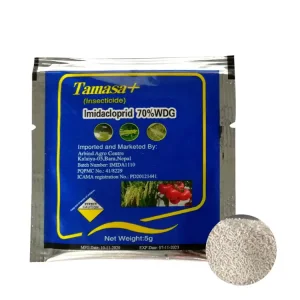
| Latin America (Brazil, Mexico, Chile) | Large-scale commercial Broccoli & Cauliflower | Broadacre acreage, high drift risk, strict export MRL tolerances. | Apply high-purity Imidacloprid 75% WDG or low-dose Diamide combinations early in season. | Deploy aerial drone or boom sprayers with anti-drift nozzles at 150–200 L/ha water volume. |
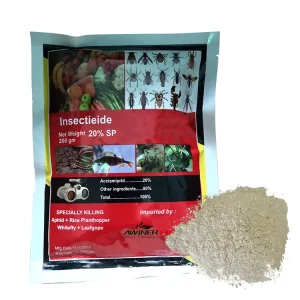
| Middle East & Central Asia (Turkey, Uzbekistan, Pakistan) | Irrigated Brassica Fields & Greenhouse Crops | High temperatures, alkaline soil/water, high UV degradation. | Utilize UV-stabilized Acetamiprid 20% SP and micro-encapsulated formulations. Buffer spray tank water pH to 5.5–6.5. | Incorporate non-ionic surfactants to overcome heavy cuticular wax on mature brassica leaves. |
Awiner Biotech was founded in 2006, located in the north of China—Shijiazhuang, Hebei Province. The city is close to our capital Beijing, ensuring fast logistics and convenient transport connections. Awiner Biotech is deeply committed to researching, producing, and distributing high-grade agrochemicals. We specialize in comprehensive crop protection portfolios comprising insecticides, herbicides, fungicides, plant growth regulators (PGRs), and public health pesticides.
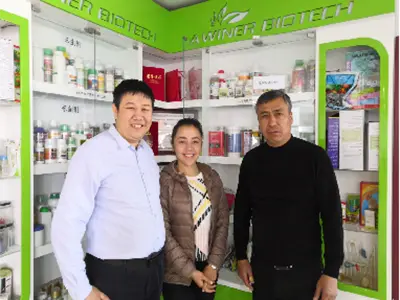
Up to now, we have established long-term strategic relationships with customers across: Iraq, Iran, Afghanistan, Pakistan, India, Libya, Syria, Turkey, Yemen, Ukraine, Russia, Kazakhstan, Uzbekistan, Chile, Bolivia, Mexico, Brazil, Paraguay, Nigeria, Djibouti, Rwanda, Somalia, Malaysia, Cambodia, Nepal, Myanmar, and many other agricultural nations.
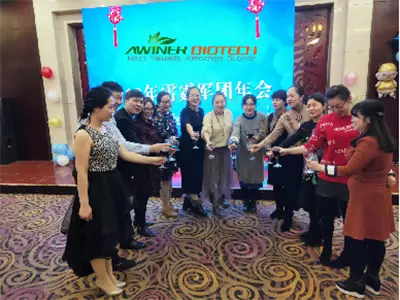
We participate actively in major international agrochemical trade shows in Turkey, Iran, Pakistan, Nigeria, Russia, Cambodia, Malaysia, Uzbekistan, and beyond.
Our field technical team regularly visits customer regions to perform localized market surveys, evaluate field performance, solve pest resistance challenges, and refine formulations based on real-world farming feedback.
Discover our complementary plant protection chemicals, systemic fungicides, and high-potency pest killers manufactured for enterprise distribution.
Plutella xylostella possesses an extraordinarily short life cycle (as brief as 14 days in hot climates) combined with massive reproductive capacity. Over-reliance on single active ingredients leads to rapid selection of resistant alleles. DBM has demonstrated resistance to over 95 chemical active ingredients across virtually all major IRAC classes, including pyrethroids, organophosphates, carbamates, and early-generation avermectins, via enhanced metabolic detoxification (P450s, GSTs) and target-site gene mutations.
This co-formulation delivers a powerful dual mechanism of action. Abamectin acts as an agonist on glutamate-gated chloride channels, causing neuro-paralysis in active larvae. Chlorbenzuron, an Insect Growth Regulator (IGR), acts as a chitin synthesis inhibitor, preventing larvae from successfully molting into subsequent instars and rendering adult eggs sterile. This dual-action pathway halts generations and prevents rapid resistance buildup.
China, particularly chemical industrial clusters like Hebei Province where Awiner Biotech is headquartered, houses fully integrated chemical supply chains—from fundamental raw chemical synthesis to advanced formulation milling. This vertical integration reduces raw material transit costs, mitigates supply chain disruptions, ensures raw material purity, and offers global buyers highly competitive bulk pricing without sacrificing FAO quality standards.
Yes. We provide strategic partners with comprehensive registration assistance, including GLP-certified toxicity studies, 5-batch analysis reports, Certificate of Analysis (CoA), FAO standard product specifications, MSDS, and local field trial documentation needed to meet national agricultural registration authority mandates.
For optimal control, spraying should be conducted during early morning or late evening when temperature levels are lower and DBM larvae actively feed on foliage. Water volumes should range between 200–400 L/ha depending on crop canopy density to ensure thorough wetting of leaf undersides. Adding organosilicone adjuvants is strongly recommended to enhance leaf adhesion and cuticular penetration on waxy brassica foliage.
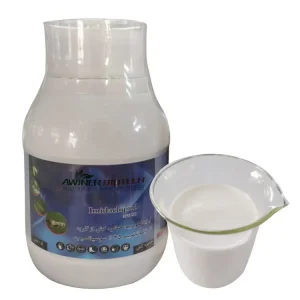
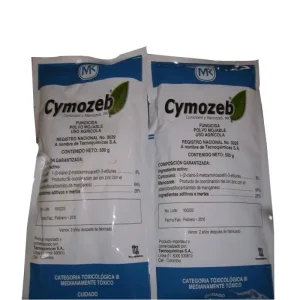
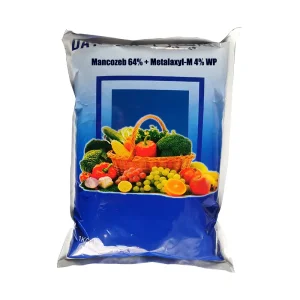
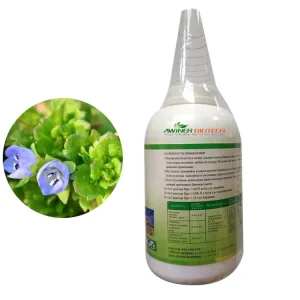
We offer customized packaging solutions ranging from small retail bottles (100ml, 250ml, 500ml, 1L HDPE/Coex bottles) and aluminum foil bags (100g to 1kg) to bulk industrial packaging (20L HDPE drums, 200L iron/plastic drums, and 1000L IBC totes) engineered with UN-certified hazardous material transport compliance.
 Awiner Biotech