China AWINER Pesticide Insecticide Aluminum Phosphide 56%TB Quotes, Factories

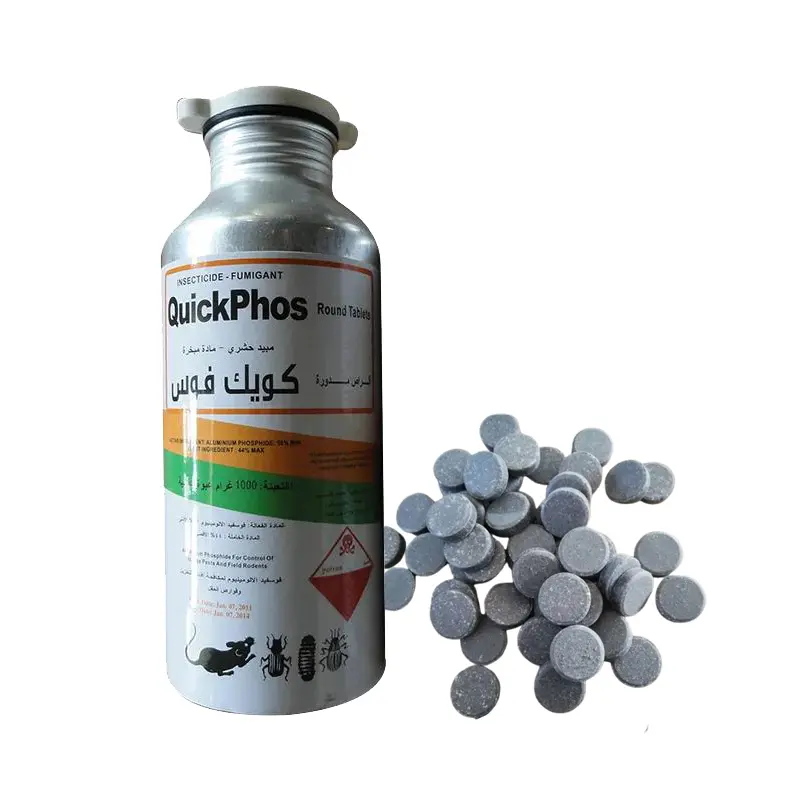
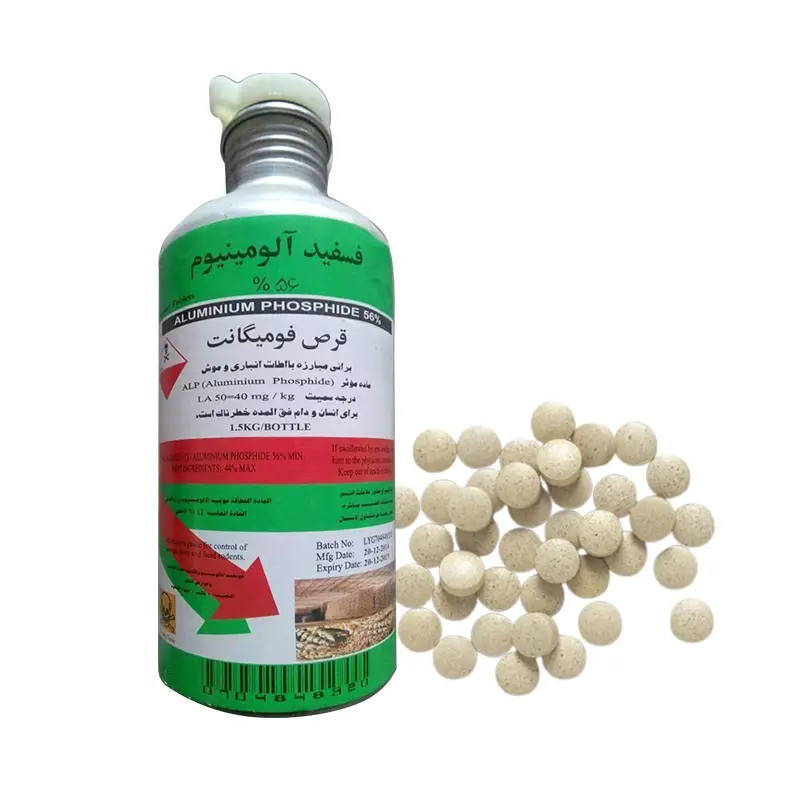
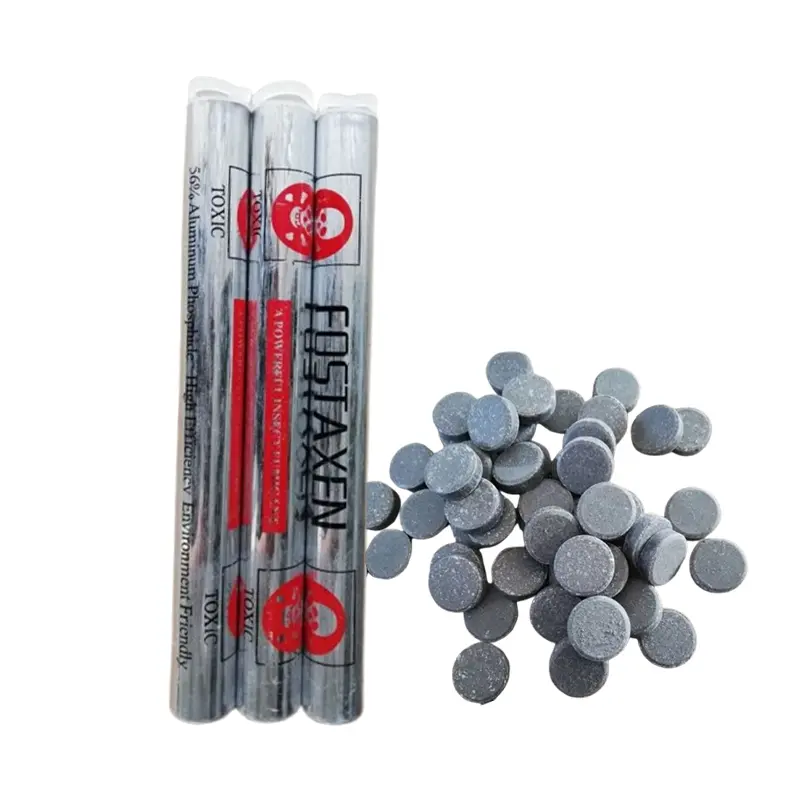
Aluminum Phosphide 56%TB is a powerful fumigant pesticide used to control stored grain pests and rodents effectively, ensuring long-lasting protection.

Product Description

Product Overview

Aluminum Phosphide 56%TB is a powerful fumigant that effectively controls stored grain pests and rodents for long-lasting protection.

Product Name Aluminum Phosphide 56%TB
CAS Number 20859-73-8
Molecular Formula AlP
Purity 56%TB
State Tabella
Application Fumigation Insecticide
Labeling and Packaging Support customization

Mode of Action

Aluminum phosphide is a broad-spectrum fumigant widely used for pest and rodent control in areas such as cargo, warehouses, grain storage, seed silos, and caves. When aluminum phosphide absorbs moisture from the air, it rapidly releases phosphine gas (PH₃). Phosphine gas enters the respiratory system of insects or rodents and acts on the respiratory chain and cytochrome oxidase in their mitochondria, blocking normal respiration and causing death.

In an aerobic environment, pests inhale phosphine, which produces strong effects, while hypoxic conditions reduce its toxicity. High concentrations of phosphine paralyze insects or induce a protective coma, decrease their respiration, and eventually kill them. Farmers apply this agent to fumigate raw grains, processed grains, oilseed crops, and dried tubers to control insects. When treating seeds, they must adjust and control the moisture levels according to each crop.

Using Method

1. Target Use
Suitable for fumigating enclosed spaces such as grain storage, oilseed crops, tobacco, dried fruits, nuts, animal feed, cargo warehouses, and containers for insect and rodent control.
2. How it Works
When aluminum phosphide tablets or pieces absorb moisture in the air, they release toxic phosphine gas (PH₃). This gas penetrates grain piles and packaging, killing insects, rodents, and their eggs, pupae, larvae, and all stages of development.
3. Dosage Reference
Grain silo fumigation: Approx. 1.5–3 g/m³.
Container fumigation: Approx. 2–3 g/m³.
Warehouse / Cargo hold: 2–5 g/m³, depending on airtightness and infestation severity.
Note: Adjust based on temperature, humidity, airtightness, and insect infestation.
4. Instructions
Wrap the tablets in paper or a special cloth bag and distribute them evenly in the grain pile, between cargo, or on the ground. The area must be tightly sealed for 5–7 days (longer if low temperature). Thoroughly ventilate for 24–48 hours before re-entering.
5. Precautions
Do not use in inhabited areas or open spaces. Wear a respirator and gloves during operation. Store away from fire, moisture, and flammable materials. Properly dispose of residue after fumigation.

Application Scope

Aluminum Phosphide is a broad-spectrum fumigant used to control storage pests and rodents in various environments. When exposed to moisture, it releases phosphine gas (PH₃), which penetrates deeply into stored products and packaging, killing insects at all life stages, including eggs, larvae, pupae, and adults.

It is suitable for fumigating raw and processed grains, seed grains, oil crops, dried tubers, and stored goods such as tobacco, feed, dried fruits, nuts, tea, and herbs. It can also be used in ships, containers, railway wagons, and warehouses for pest and rodent control, and for export quarantine treatments. Use only in sealed, unoccupied areas.
Frequently Asked Questions (FAQ)

Q1: What is Aluminum Phosphide 56%TB primarily used for?
Aluminum Phosphide 56%TB is a broad-spectrum fumigant insecticide used to effectively control stored grain pests and rodents in enclosed areas such as grain silos, cargo holds, containers, and storage warehouses.
Q2: How does Aluminum Phosphide control pests?
Upon contact with moisture in the air, the tablets release phosphine gas (PH₃). This gas penetrates stored commodities to disrupt the respiratory system and mitochondria of pests, targeting all life stages including eggs, larvae, pupae, and adults.
Q3: What is the general recommended dosage?
Standard dosages range from 1.5–3 g/m³ for grain silos, 2–3 g/m³ for shipping containers, and 2–5 g/m³ for general warehouses, depending on airtightness, ambient temperature, and infestation severity.
Q4: How long should the treated area remain sealed and ventilated?
The treated space must remain tightly sealed for 5 to 7 days (or longer in cooler temperatures). After fumigation, ventilation is required for 24 to 48 hours to ensure complete gas dissipation before personnel re-entry.
Q5: What essential safety precautions should be observed?
It should only be applied in non-inhabited, tightly sealed environments. Operators must wear proper respirators and protective gloves, keep the product away from moisture and ignition sources, and dispose of post-fumigation residue safely.

Related Products