High-purity chemical formulations engineered for maximum bio-efficacy and resistance reversal.
Understanding the biochemical and genetic pathways enabling pest survival against legacy pyrethroids and organophosphates.
Agricultural productivity worldwide faces an unprecedented challenge: the rapid evolution of pest resistance among Lepidopteran species. Destructive caterpillars such as the Fall Armyworm (Spodoptera frugiperda), Cotton Bollworm (Helicoverpa armigera), and Diamondback Moth (Plutella xylostella) have developed high levels of multi-drug resistance (MDR). Legacy chemistries—including standard pyrethroids, organophosphates, and early-generation carbamates—are increasingly ineffective, leading to massive crop losses in commercial cotton, maize, soybean, and vegetable farms across Latin America, Asia, Africa, and Eastern Europe.
Information Gain Insight: Resistant caterpillars do not merely tolerate higher dosages; they alter biological pathways. Resistance mechanisms typically involve metabolic detoxification (upregulation of Cytochrome P450 monooxygenases, Glutathione S-transferases, and Carboxylesterases), target-site mutations (such as RyR modification for diamides or RdL mutation for GABA-gated channel blockers), and physiological midgut membrane modification.
Structural alterations in target proteins (e.g., sodium channels, acetylcholinesterase, or ryanodine receptors) prevent classic chemical binding, rendering standard dosage rates virtually inert.
Overexpression of P450 and GST enzyme suites metabolizes active chemical compounds prior to reaching the insect nervous or muscular systems, requiring synergistic inhibitors to neutralize.
Pests recover quickly from non-lethal sublethal exposures. Reversing this requires advanced dual-action premixes combining stomach toxicity with rapid contact activity.
Strategic chemical rotation and multi-site premix engineering designed by China's top agrochemical synthesis facilities.
To overcome resistance, modern crop protection relies on alternating or combining non-cross-resistant Insecticide Resistance Action Committee (IRAC) classes. China's leading formulation factories have pioneered micro-emulsification, water-dispersible granule (WDG) stability, and suspension concentrate (SC) wet-milling technology to deliver superior efficacy against resistant strains.
| Active Ingredient / Combination | IRAC Group | Primary Target Pests | Biochemical Mode of Action | Formulation Tech |
|---|---|---|---|---|
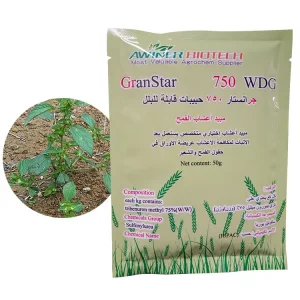
| Emamectin Benzoate (5% WDG / 5% EC) | Group 6 | Spodoptera frugiperda, Plutella xylostella | Allosteric potentiator of glutamate-gated chloride channels; paralysis via neuromuscular inhibition. | Micro-granule WDG (Instant dispersion, low dust) |
| Profenofos + Lambda-Cyhalothrin (300+15 g/L EC) | Group 1B + Group 3A | Helicoverpa armigera, Cotton Bollworm | Dual acetylcholinesterase inhibition and voltage-gated sodium channel modulation. Overcomes single-site resistance. | High-solvent EC with bio-based surfactants |
| Chlorantraniliprole / Diamides | Group 28 | Chilo suppressalis, Stem Borers, Leaf Folders | Ryanodine receptor activation; causes uncontrolled intracellular calcium release, feeding cessation. | Sub-micron Suspension Concentrate (SC) |
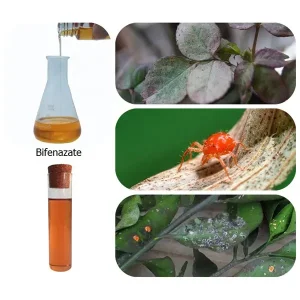
| Spirodiclofen 24% SC | Group 23 | Mite complexes & secondary caterpillar populations | Lipid biosynthesis inhibitor (LBI); disrupts acetyl-CoA carboxylase enzyme activity. | High-viscosity SC for rainfast coverage |
Why multinational agricultural enterprises and commercial distributors rely on Chinese synthesis clusters for anti-resistant pest solutions.
China hosts the world's most complete chemical supply chain, from basic petrochemical raw materials and chemical intermediates (such as 2-chloropyridine or cyanoacetic acid) to technical grade active ingredients (TC) and final formulations. This guarantees uninterrupted supply chain security even during global market shifts.
Top-tier Chinese pesticide manufacturers enforce stringent quality control protocols. Batch analysis utilizing High-Performance Liquid Chromatography (HPLC) and Gas Chromatography-Mass Spectrometry (GC-MS) ensures active ingredient purity standards meet or exceed international FAO/WHO specifications.
Modern Chinese factories have transitioned from legacy EC and WP formats toward eco-friendly, highly bio-available formats such as Water-Dispersible Granules (WDG), Suspension Concentrates (SC), Micro-capsule Suspensions (CS), and Emulsion in Water (EW).
Leading exporters provide comprehensive GLP-certified toxicological reports, efficacy trial data, stability data, and COA/MSDS documentation necessary to clear complex regulatory frameworks in South America, Africa, Central Asia, and the Middle East.
Maximizing bio-efficacy while delaying the build-up of chemical resistance in high-value cash crops.
Pest Focus: Cotton Bollworm (Helicoverpa armigera), Pink Bollworm.
Protocol: Apply Profenofos 300g/L + Lambda-Cyhalothrin 15g/L EC at early instar stages (1st to 2nd instar). Ensure canopy penetration via high-pressure hydraulic spray equipment or agricultural drones equipped with drop nozzles.
Pest Focus: Fall Armyworm (Spodoptera frugiperda).
Protocol: Direct spraying into the corn whorl using Emamectin Benzoate 5% WDG combined with non-ionic silicone adjuvants. Apply during early morning or late afternoon when larvae actively feed.
Pest Focus: Diamondback Moth (Plutella xylostella), Cabbage Looper.
Protocol: Implement strict IRAC rotation. Alternate Spirodiclofen 24% SC and bio-insecticide formulations with diamide chemistries every 14 days to prevent target-site single-gene selection.
Agronomist Rule of Thumb: Never apply the same chemical mode of action across consecutive pest generations. Rotate between IRAC Group 6 (Emamectin), Group 1B/3A (Profenofos/Lambda), and Group 28 (Diamides) to maintain zero resistance selection pressure.
Essential sourcing criteria for international agricultural input importers, chemical formulators, and government tenders.
When sourcing anti-resistant caterpillar insecticides from Chinese suppliers, procurement officers must evaluate suppliers beyond unit pricing. Technical excellence, batch consistency, packaging durability, and regulatory compliance determine long-term market success.
Pesticides bound for tropical or equatorial export destinations must endure high temperature, humidity, and maritime shipping vibrations. Professional factories utilize:
Leading factories offer OEM customization services, tailoring active ingredient concentrations (e.g., Emamectin Benzoate 1.9% EC up to 5% WDG), colorants, fragrance masking agents, and localized multi-lingual packaging (English, Spanish, French, Arabic, Russian).
Awiner Biotech: Researching, Producing, and Distributing World-Class Agrochemical Solutions Since 2006.
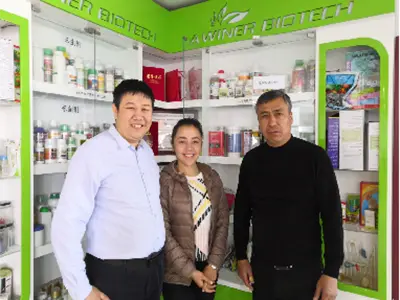
Awiner Biotech was founded in 2006, located in the north of China—Shijiazhuang, Hebei Province. The city is close to our capital Beijing, with convenient logistics and export transportation networks.
Awiner Biotech is deeply committed to the research, production, and global distribution of agrochemicals. We specialize in high-efficiency pesticides, herbicides, fungicides, plant growth regulators, and public health pesticides.
Up to now, we have won trusted customers across more than 30 nations worldwide, including: Iraq, Iran, Afghanistan, Pakistan, India, Libya, Syria, Turkey, Yemen, Ukraine, Russia, Kazakhstan, Uzbekistan, Chile, Bolivia, Mexico, Brazil, Paraguay, Nigeria, Djibouti, Rwanda, Somalia, Malaysia, Cambodia, Nepal, Myanmar, and beyond.
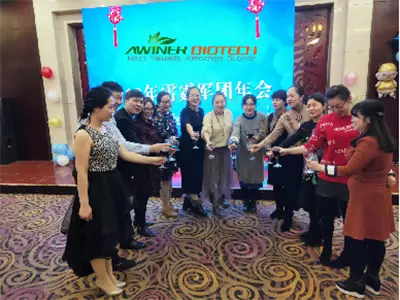
Our team actively participates in leading international agrochemical exhibitions across Turkey, Iran, Pakistan, Nigeria, Russia, Cambodia, Malaysia, Uzbekistan, and more. Furthermore, we conduct on-the-ground customer market surveys to analyze regional pest pressures, optimize product usage, and provide tailored technical solutions directly in our clients' home countries.
Addressing technical and commercial procurement inquiries from global agrochemical buyers.
Lepidopteran caterpillars like Fall Armyworm and Cotton Bollworm have developed target-site insensitivity (kdr mutations) and elevated cytochrome P450 enzyme activity due to decadal over-reliance on single-mode pyrethroids. Overcoming this requires switching to active ingredients with non-overlapping IRAC codes (e.g., Emamectin Benzoate or Chlorantraniliprole) or using organophosphate-pyrethroid premixes such as Profenofos + Lambda-Cyhalothrin.
Standard bulk formulations typically carry an MOQ of 1,000 Liters for liquid SC/EC formulations and 500 kg for WDG/WP solid formulations. Production lead times range between 15 to 25 days post-label art confirmation, including full HPLC quality control testing and UN-standard export packaging setup.
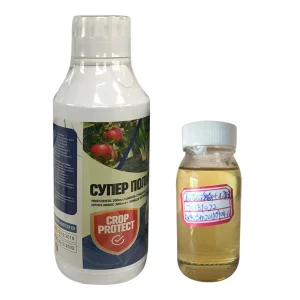
Yes. We specialize in OEM/ODM services. We customize active ingredient ratios, liquid colors, emulsifier packages, bottle shapes, and retail label artwork to match localized regulatory guidelines and commercial brand identities across South America, Africa, Central Asia, and the Middle East.
We supply full registration dossiers including Certificate of Analysis (COA), Material Safety Data Sheets (MSDS), 2-year accelerated storage stability testing data, toxicological summaries, and GLP field bio-efficacy reports to assist our partners in securing fast-track ministry authorizations.
Explore additional specialized agrochemicals engineered for broad-spectrum crop protection.
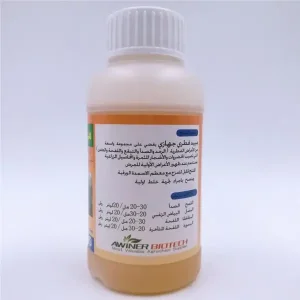
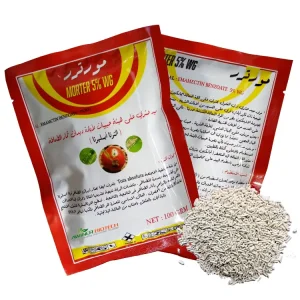
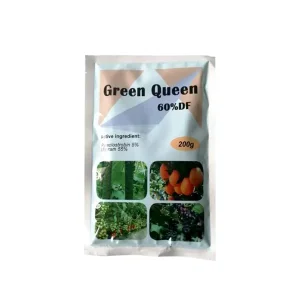
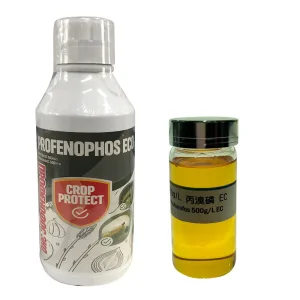
 Awiner Biotech