 Awiner Biotech
1 / 4
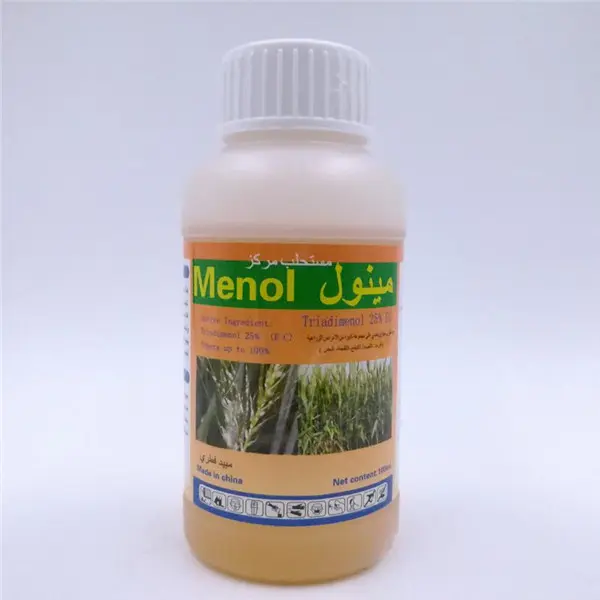
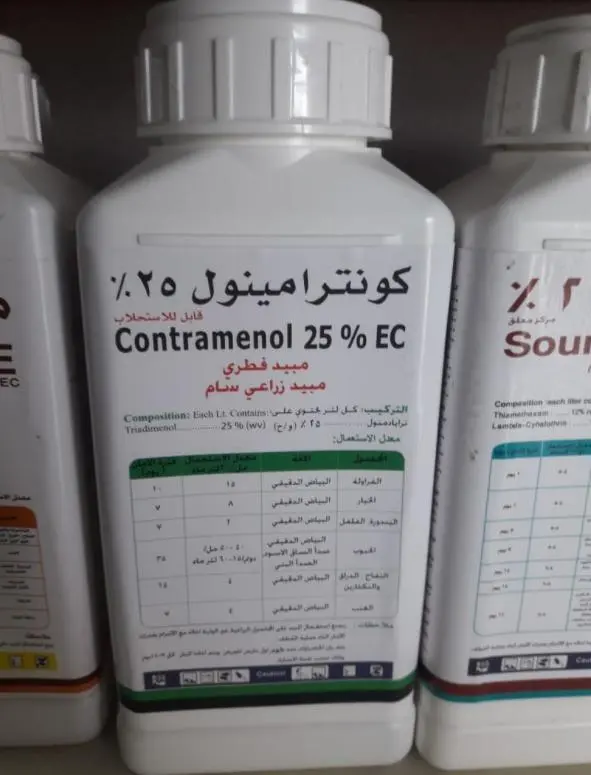
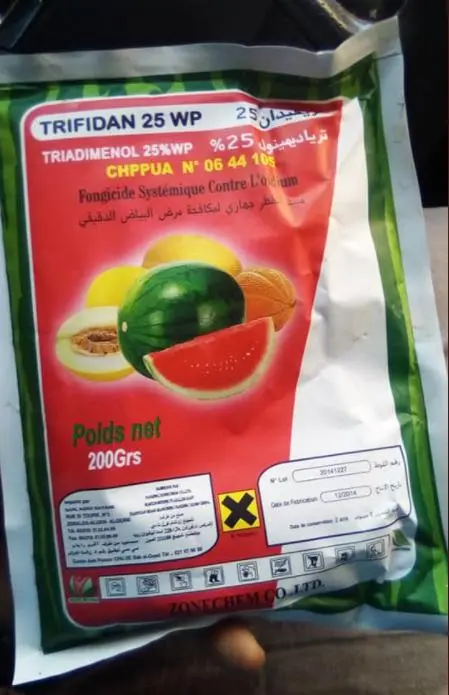
Main Specification: Triadimenol fungicide (95% TC, 10% WP, 15% WP, 25% WP, 25% EC)
Description: Triadimenol is a low-toxicity bactericide/fungicide formulated for cereals, beet, and brassicas to effectively control a broad spectrum of crop diseases, including powdery mildew, rusts, bunts, and smuts.
| Product Name | Triadimenol |
| CAS No. | 55219-65-3 |
| Content & Formulations | 250g/L EC, 97% TC |
| Physical & Chemical Property |
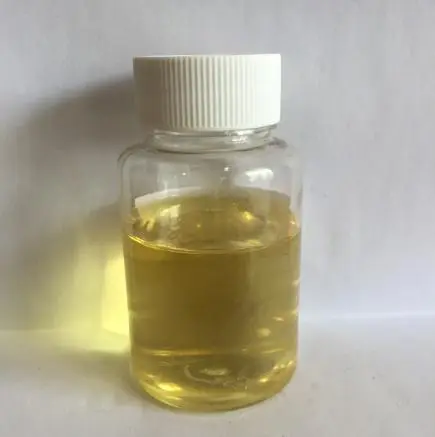
Appearance: Light yellow liquid Molecular Formula: C14H18ClN3O2 Molecular Weight: 295.76 Solubility: Insoluble in acetone (0.5% max). Slightly soluble in isopropanol, methylene chloride, cyclohexanone. Insoluble in aliphatic hydrocarbons. Melting Point: 110℃ Boiling Point: 465.4 °C at 760 mmHg Flash Point: 235.3 °C |
| Toxicity Data |
Acute Toxicity: • Oral LD50 (rat): 2330 mg/kg • Dermal LD50 (rabbit): >1000 mg/kg • Inhalation LC50 (rat): >15.3 mg/L/hr (4hrs) Skin Irritation (rabbit): Minimally irritating Eye Irritation (rabbit): Mildly irritating |
Crop Protection Scope: Control of powdery mildews, rusts, and Rhynchosporium in cereals; control of bunt, smuts, seedling blight, leaf stripe, net blotch, and other cereal diseases as a seed treatment.
Target Crops: Also suitable for vegetables, ornamentals, coffee, hops, vines, fruit, tobacco, sugar cane, bananas, and other crops against powdery mildews, rusts, and various leaf spot diseases.
| Formulation | Crops | Target Diseases | Dosage |
|---|---|---|---|
| Triadimenol 25% GB | Wheat | Rust disease | 34-37.5 g / 100 kg seeds |
| Triadimenol 10% WP | Wheat | Powdery mildew | 112.5-135 g / hectare |
| Triadimenol 15% WP | Rice | Rice blast | 135-157.5 g / hectare |
| Triadimenol 15% WP | Wheat | Banded sclerotial blight | 30-45 g / 100 kg seeds |
Triadimenol is highly effective in controlling powdery mildew, rusts, smuts, bunts, Rhynchosporium, rice blast, seedling blight, and leaf spot diseases across multiple agricultural crops.
It can be widely used on cereals (such as wheat and rice), sugar beet, brassicas, vegetables, ornamentals, coffee, hops, vines, fruit crops, tobacco, sugar cane, and bananas.
Yes, Triadimenol is commonly used as a seed dressing to prevent seed-borne and early seedling diseases such as bunt, smuts, seedling blight, and leaf stripe in cereals.
Standard available formulations include technical grade (95% TC, 97% TC), wettable powders (10% WP, 15% WP, 25% WP), emulsifiable concentrates (25% EC, 250g/L EC), and granular bait (25% GB).
Triadimenol is classified as a low-toxicity fungicide. Oral LD50 in rats is 2330 mg/kg. It exhibits minimal skin irritation and mild eye irritation in rabbits.