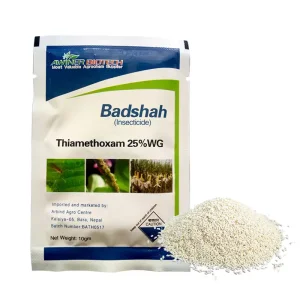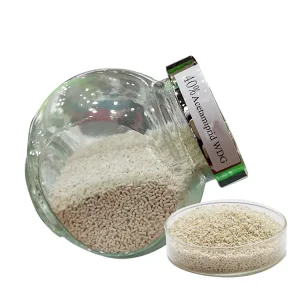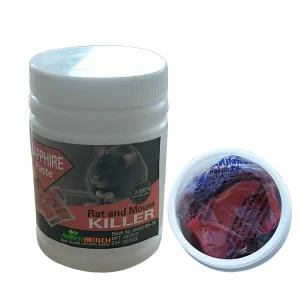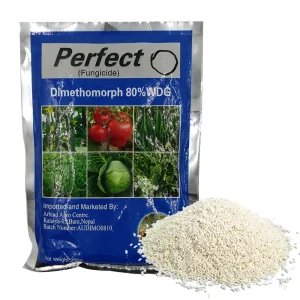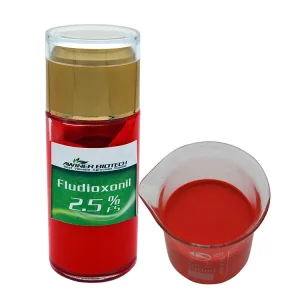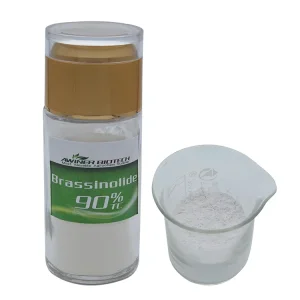
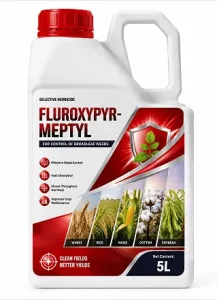
Analyzing economic yield drivers, pest resistance management, and direct factory procurement models for commercial cotton producers worldwide.
Cotton (Gossypium hirsutum) remains one of the world's most critical natural fiber cash crops, powering global textile supply chains and vegetable oil manufacturing. However, high-density cotton agronomy faces unprecedented challenges: evolving insect resistance profiles (particularly Helicoverpa armigera and Aphis gossypii), erratic climate patterns, strict regulatory limits on chemical residues, and escalating input pricing. Modern agricultural operations demand an integrated approach combining high-potency chemical synthesized active ingredients, biological control mechanisms, and precise defoliation technologies.
China stands at the epicenter of global agrochemical synthesis and raw material production, synthesizing over 70% of world active ingredients. By establishing direct sourcing links with specialized Chinese pesticide and herbicide manufacturers, commercial cotton estates and regional distributors gain immediate access to technical-grade chemicals (TC), scalable formulations (EC, WDG, SC, DF), and transparent pricelists that safeguard profit margins against market volatility.
Tailored pest management, weed control, and defoliation protocols designed for regional climate variations and mechanized harvest requirements.
In high-yield arid cotton belts like Xinjiang, mechanical harvesting demands near-perfect leaf defoliation and boll opening synchrony to prevent fiber staining and reduce trash content.
Tropical and sub-tropical cotton production in South Asia, South America, and Africa faces relentless sap-sucking pest pressure, transmitting destructive viral vectors.
Humid coastal or river basin cotton growing zones require aggressive fungal pathogen control and absolute field burndown between crop rotations.
To prevent target pest resistance (e.g., Helicoverpa armigera developing tolerance to pyrethroids), our agronomists recommend alternating chemical classes every 21–30 days. Combining biological insecticidal agents (such as Bacillus thuringiensis) with systemic anthranilic diamides (Cyantraniliprole) preserves active ingredient longevity and guarantees higher lint quality.
Next-generation agrochemical delivery systems, aerial application optimization, and green formulation science driving the future of #cottonfarming.
Unmanned Aerial Vehicles (UAVs) are rapidly replacing traditional tractor boom sprayers in global cotton farming. Modern agrochemicals must be engineered specifically for ultra-low volume (ULV) aerial application.
Awiner Biotech's formulation lab optimizes surface tension, droplet retention, and anti-drift properties in active solutions, ensuring zero nozzle clogging and enhanced leaf surface adherence during high-speed drone passes.
Traditional liquid sprays suffer from fast solar degradation and volatilization under intense field heat. Microencapsulated Suspension (CS) and advanced Water Dispersible Granule (WDG/DF) technologies encapsulate volatile active molecules.
This delivers controlled, multi-week release mechanisms, reducing overall application frequency by up to 30%, lowering labor costs, and maintaining active chemical protection throughout critical cotton fruiting phases.
Global environmental regulatory trends are phasing out harsh aromatic solvents (e.g., xylene, toluene). The transition toward methyl ester vegetable oil carriers and solvent-free Dry Flowable (DF) granules ensures reduced phytotoxicity.
These advanced green formulations protect non-target beneficial insects, preserve soil microbial health, and satisfy strict international export residue standards for cotton lint and cottonseed byproduct markets.
Why sourcing direct from specialized chemical clusters in Northern China optimizes procurement risk, lead times, and unit economics for global agricultural importers.
China's chemical synthesis industry benefits from complete vertical integration—from basic petro-chemical precursors to complex active technical ingredients (TC). This self-contained supply chain insulates global buyers from global raw material bottlenecks and rapid price inflation.
Situated in Shijiazhuang, Hebei Province, production facilities operate in close physical proximity to major northern sea transportation hubs (such as Tianjin Port and Qingdao Port), enabling streamlined container booking, efficient customs clearing, and rapid maritime dispatch.
High-volume automated filling lines support ultra-competitive batch pricing across diverse bottle, drum, and aluminum bag sizes (100ml to 1000L IBC). Bulk purchasing power directly reduces per-hectare crop protection expenses for commercial farms.
Discover Awiner Biotech's legacy, ongoing international field research, and global distribution network.
Awiner Biotech was founded in 2006, located in north of China—Shijiazhuang, Hebei Province. The city is close to our capital Beijing, and transportation is exceptionally convenient. Awiner Biotech is deeply committed to research, production, and worldwide distribution of high-grade agrochemicals. We mainly deal with targeted insecticides, selective & non-selective herbicides, systemic fungicides, plant growth regulators, and public health pest control solutions.
Our agronomists and technical sales teams regularly participate in top international agrochemical trade expos to build long-term partnerships and share agronomic innovation across major farming hubs worldwide.
Exhibition Country Footprint:
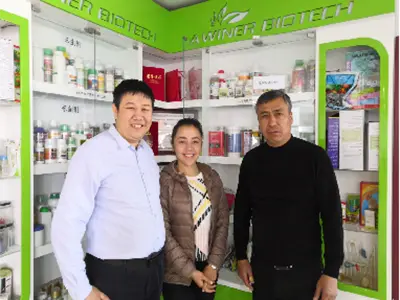
We believe true E-E-A-T (Experience, Expertise, Authoritativeness, Trustworthiness) comes from direct field exposure. We travel directly to customer countries to perform real-time market inspections, analyze regional pest outbreaks, diagnose tank-mix challenges, and solve field usage issues directly on the ground. Simultaneously, global client delegations regularly visit our Hebei manufacturing and R&D facilities to review quality protocols.
Up to now, we have won trusted commercial customers and distributor relationships across key global agricultural markets:
Comprehensive registration dossiers, strict laboratory testing, and customized private labeling tailored to regional ministry guidelines.
Navigating country-specific agricultural ministry approvals can be complex. We provide comprehensive documentation support including ICAMA certificates, Certificate of Analysis (COA), Safety Data Sheets (SDS/MSDS in multiple languages), FAO specification compliance reports, and stability study data needed to expedite local product registration.
Every active ingredient formulation batch undergoes rigorous testing using High-Performance Liquid Chromatography (HPLC) and Gas Chromatography (GC) analysis. We guarantee exact active concentration percentages, low impurity thresholds, and optimal emulsion stability in accordance with international WHO/FAO standards.
We support distributors and commercial farms with customized OEM/ODM packaging solutions. Options range from 100ml HD-PE bottles and 1L fluorinated containers to 200L steel drums and bulk 1000L IBC totes. Labeling is fully tailored with local language usage instructions, safety warnings, and branding elements.
Expert answers regarding product pricelists, minimum order quantities (MOQ), formulation stability, tank mixing, and international export procedures.
 Awiner Biotech