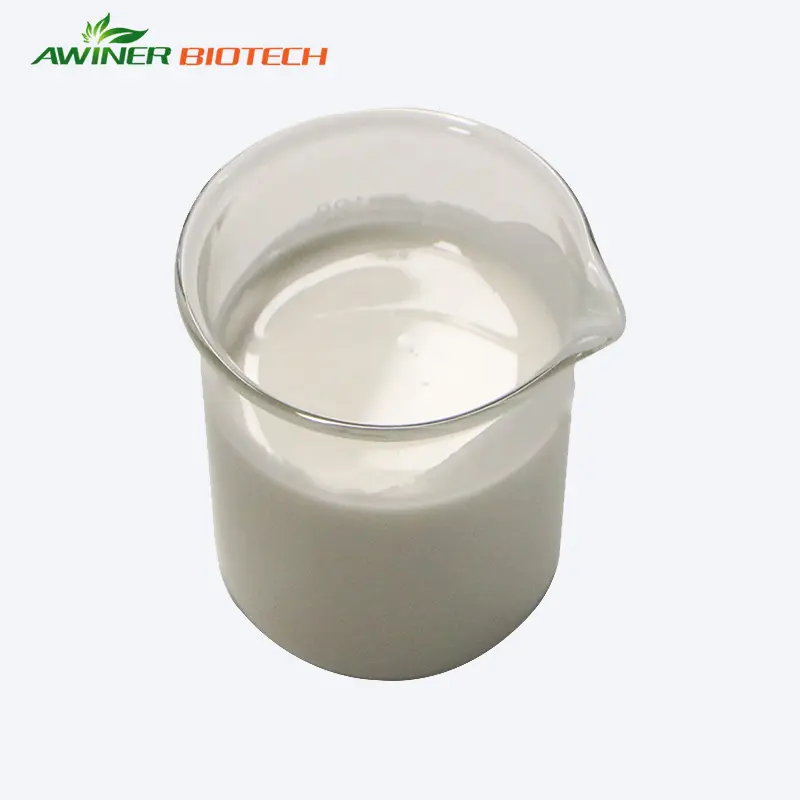
Wholesale Cyantraniliprole Factory, Manufacturer

Cyantraniliprole binds to insect receptors, leading to calcium ion depletion in target pests, which in turn causes paralysis and death. It has systemic and translaminar properties, providing comprehensive protection to crops. Furthermore, it has minimal impact on beneficial insects.

Product Description

Cyantraniliprole Mode of Action

Cyantraniliprole binds to insect receptors, leading to calcium ion depletion in target pests, which in turn causes paralysis and death. It has systemic and translaminar properties, providing comprehensive protection to crops. Furthermore, it has minimal impact on beneficial insects.

Crops for Application

Cyantraniliprole is used on a wide variety of crops, offering versatile protection. Commonly treated crops include:
Vegetables
Tomatoes, cabbage, cucumbers, onions, potatoes, eggplants
Fruits
Citrus fruits, apples, mangoes, strawberries, pomegranates
Grains, Oils & Cotton
Rice, corn, soybeans, cotton
Others
Almonds, walnuts, and other nuts; various ornamental flowers; lawn

Common Mix Partners

To enhance its performance, Cyantraniliprole is often mixed with other fungicides or insecticides. It pairs well with:
  • Indoxacarb: Controlling diamondback moths on cabbage.
  • Abamectin: Control of Liriomyza sativae (vegetable leafminer) on cucumbers.
  • Dinotefuran: Controlling aphids on watermelons.

Usage Instructions

  1. 1
    Dosage: Follow local registration guidelines and label recommendations. Adjust dosage according to crop type, growth stage, and pest population density.
  2. 2
    Application Timing: Administer at the early pest infestation stage for optimal efficacy; avoid application during peak flowering to protect pollinators.
  3. 3
    Method of Application: Apply via foliar spray, soil drench, or seed treatment, based on target crops and pests. Ensure uniform coverage for foliar applications.
  4. 4
    Precautions: Do not mix with alkaline pesticides; Observe a safe interval period before harvest; Rotate with insecticides of different IRAC groups to delay pest resistance.

Frequently Asked Questions (FAQ)

1. How does Cyantraniliprole work on target pests?
Cyantraniliprole binds specifically to insect receptors, triggering calcium ion depletion. This leads to rapid muscle paralysis and ultimate mortality in target pests.
2. Is Cyantraniliprole safe for beneficial insects?
Yes, Cyantraniliprole exhibits targeted action and generally has minimal adverse impacts on non-target beneficial insects when applied correctly according to label guidelines.
3. Which application methods are recommended?
Depending on your crop type and pest profile, Cyantraniliprole can be efficiently applied through foliar spraying, soil drenching, or direct seed treatment.
4. Can Cyantraniliprole be mixed with other active ingredients?
Yes, it pairs effectively with partners like Indoxacarb, Abamectin, and Dinotefuran to expand pest control coverage and enhance protection performance.
5. How can pest resistance to Cyantraniliprole be prevented?
To manage pest resistance, rotate Cyantraniliprole with insecticides belonging to different IRAC mode-of-action groups and strictly follow recommended dosage limits.

Related Products