Explore our high-purity active ingredients, broad-spectrum fungicides, and crop protection formulations.
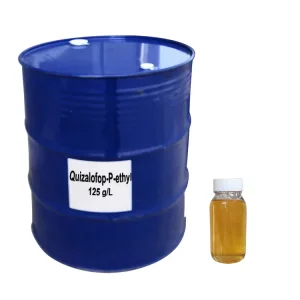
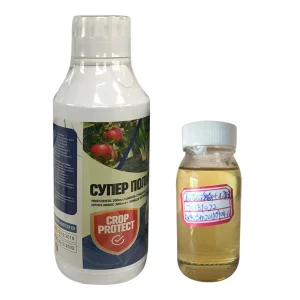
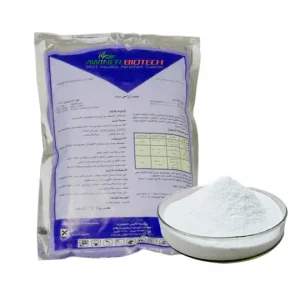
Understanding the molecular dynamics, systemic translocation, and targeted fungal pathway inhibition of Cyprodinil active technical material.
Cyprodinil acts as an Anilinopyrimidine fungicide (FRAC Group 9). It specifically interferes with the biosynthesis of methionine, disrupting the fungal enzyme cystathionine gamma-lyase. Without essential amino acid production, fungal hyphal growth, germ tube elongation, and appressorium formation are immediately halted.
Upon foliar application, Cyprodinil exhibits rapid acropetal (upward) translocation via xylem vessels alongside localized translaminar movement. This guarantees internal leaf tissue protection, safeguarding non-treated foliage and emerging shoots against early-stage fungal spore germination.
Highly active against economically devastating crop pathogens: Botrytis cinerea (Gray Mold), Venturia inaequalis (Apple Scab), Monilinia spp. (Brown Rot), Pyrenophora teres (Net Blotch in barley), and Pseudocercosporella herpotrichoides (Eyespot in cereals).
| Parameter / Parameter Name | Standard Technical Value | Testing Method / Analytical Standard |
|---|---|---|
| Chemical Name (IUPAC) | 4-cyclopropyl-6-methyl-N-phenylpyrimidin-2-amine | IUPAC Nomenclature Standard |
| CAS Registry Number | 121552-61-2 | Chemical Abstracts Service |
| Active Ingredient Content (Purity) | ≥ 98.0% Min (Technical Grade) | High-Performance Liquid Chromatography (HPLC) |
| Physical Appearance | Beige to Off-White Crystalline Powder | Visual Inspection / Physical Test |
| Water Content (Moisture) | ≤ 0.5% Max | Karl Fischer Titration Method |
| pH Range (1% aqueous solution) | 6.0 – 8.5 | CIPAC MT 75.3 Potentiometric |
| Formulation Offerings | 50% WDG, 75% WDG, 300g/L SC, 50% WP | FAO/WHO Agrochemical Specifications |
Strategic insights into chemical synthesis pathways, raw material sourcing in China, global regulatory compliance (MRLs), and market demand forecasts.
China serves as the cornerstone of global Cyprodinil manufacturing. Synthesizing technical-grade Cyprodinil involves reacting 2-amino-4-cyclopropyl-6-methylpyrimidine with phenyl halide derivatives under controlled catalytic pressure.
The industrial cluster concentrated in Hebei, Jiangsu, and Shandong provinces guarantees a stabilized upstream supply chain of key chemical intermediates, such as cyclopropyl methyl ketone and guanidine salts. Leading Chinese factories leverage high-efficiency fluid-bed reaction technology to ensure consistent yield and reduce environmental emissions.
Commercializing Cyprodinil across high-value markets (European Union, North America, LATAM) requires adherence to global Maximum Residue Limits (MRLs) and REACH regulations.
Tailored physical-chemical delivery systems to maximize rainfastness, bio-availability, and tank-mix compatibility.
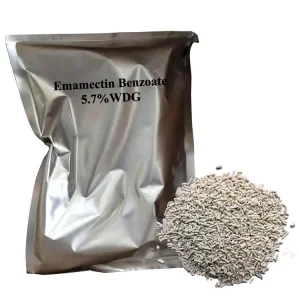
Produced via fluid-bed granulation technology. Dust-free, rapid disintegration within 30 seconds, and 100% suspension stability. Features superior storage stability under high ambient temperatures (+54°C accelerated test).
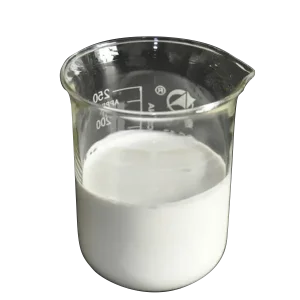
Water-based eco-friendly liquid formulation engineered through nano-scale wet milling (particle size d90 < 2.0 microns). Delivers exceptional leaf coverage, minimal phytotoxicity, and optimal rainfastness within 2 hours of application.
Combating fungicide resistance require active ingredient mixtures. High-demand combos include:
• Cyprodinil + Fludioxonil WDG: Gold standard for Botrytis control.
• Cyprodinil + Difenoconazole SC: Dual-action preventative & curative scabbing agent.
Direct background, global exhibition footprint, field survey operations, and target market breakdown.
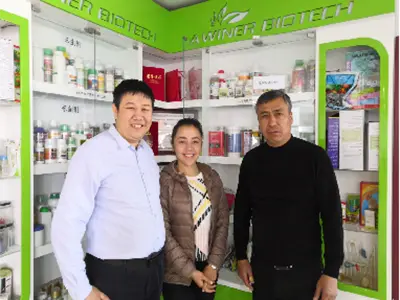
Awiner Biotech was founded in 2006, located in the north of China - Shijiazhuang, Hebei Province. The city is close to our capital Beijing, with convenient transportation. Awiner Biotech is committed to research, produce and distribute agrochemicals, mainly dealing with pesticides, herbicides, fungicides, plant growth regulators, and public health pesticides.
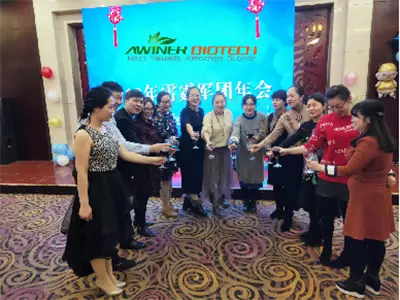
Up to now, we have won customers across diverse international territories:
Our countries participating in global chemical exhibitions include Turkey, Iran, Pakistan, Nigeria, Russia, Cambodia, Malaysia, Uzbekistan, and more. We regularly showcase cutting-edge formulations to international partners.
We proactively visit our client countries to conduct thorough market inspections, analyze regional plant pathology problems, optimize tank-mix parameters, and gather real-time performance feedback.
Field-proven dosage recommendations, crop timing, and integrated pest management (IPM) practices.
Target: Gray Mold (Botrytis cinerea)
Application Rate: 375–500 g/ha (Cyprodinil 50% WDG)
Timing: Key growth stages including flowering end, before bunch closure, and veraison. Excellent protection against late-season cluster decay.
Target: Apple Scab (Venturia inaequalis)
Application Rate: 200–300 g/ha
Timing: Early spring green tip to pink bud stage. Demonstrates outstanding low-temperature curative activity (effective at temperatures down to 5°C).
Target: Brown Rot Blossom Blight & Fruit Rot (Monilinia spp.)
Application Rate: 400–600 g/ha
Timing: Pre-bloom to full bloom for blossom blight, and 7 to 14 days prior to harvest for fruit protection.
Pioneering eco-friendly synthesis, reduced solvent usage, and resistance management programs.
Future factory upgrades across China emphasize catalytic continuous-flow microreactors. This innovation minimizes energy consumption, raises chemical yield efficiency above 99%, and dramatically eliminates aromatic solvent waste, fulfilling global ESG (Environmental, Social, and Governance) purchasing standards.
To preserve the longevity of Cyprodinil, China manufacturing leaders actively advocate co-formulation mixtures with multi-site contact fungicides (such as Mancozeb or Folpet). Alternate sprays with triazoles or strobilurins prevent baseline sensitivity shifts in fungal populations.
Direct answers for agrochemical importers, distributors, and global brand owners sourcing Cyprodinil from China.
Explore our expanded portfolio of high-efficiency herbicides, insecticides, and rodentiicides.
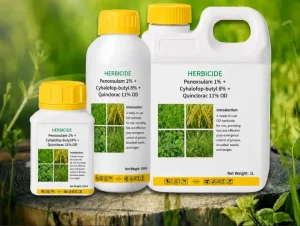
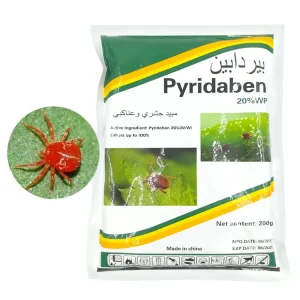
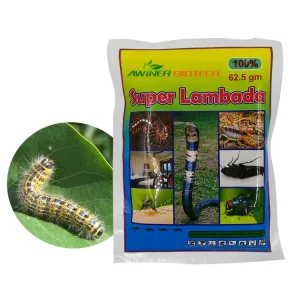
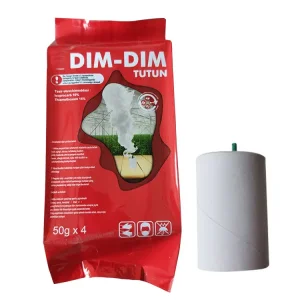
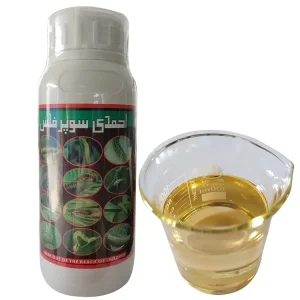
Get direct factory quotations, customized chemical formulation solutions, and comprehensive international registration dossier support from Awiner Biotech today.
Request Direct Factory Quotation & COA Awiner Biotech