High-Efficacy Agrochemical Formulations Direct from Leading Chinese Manufacturing Facilities
Understanding the Physiological Mechanics of Gray Mold in High-Value Soft Fruit Production
Strawberry (Fragaria × ananassa) cultivation represents one of the most lucrative sectors in global horticulture, with an estimated global production volume exceeding 9.5 million metric tons annually. However, the commercial economic viability of strawberry enterprises worldwide is perpetually threatened by Gray Mold, a phytopathological infection caused by the necrotrophic fungal pathogen Botrytis cinerea. Left unmanaged, Botrytis cinerea outbreaks cause annual yield damages exceeding 30% to 55% in open fields and up to 80% in high-humidity protected greenhouse environments.
The disease cycle of Botrytis cinerea is exceptionally complex. The pathogen overwinters as sclerotia or mycelium in plant debris. During early spring, when relative humidity exceeds 85% and temperatures hover between 15°C and 25°C, mass airborne conidia are released. Primary infections frequently target senescent floral tissues during bloom. Microscopic conidia germinate, producing appressoria that penetrate delicate petal and receptacle cells. Crucially, the fungus often remains latent within developing green fruit tissues without causing immediate visual necrotic symptoms. As fruit ripening approaches, marked by sugar accumulation and declining host physiological defense barriers, the latent infection triggers rampant tissue breakdown, resulting in soft rot and the characteristic velvety gray conidiophore layer.
Commercial growers cannot rely solely on post-symptom systemic applications. Effective protection demands preventative barrier creation and curative cellular inhibition precisely targeted during critical bloom (BBCH 61 to 69) and early fruit-set (BBCH 71 to 75) developmental windows.
Multi-Site and Systemic Active Ingredients Engineered for Advanced Resistance Rotations
To mitigate the elevated risk of single-site fungicide resistance associated with Botrytis cinerea, modern commercial strawberry spray programs require precise integration of diverse Fungicide Resistance Action Committee (FRAC) codes. Leading Chinese agrochemical manufacturing facilities produce top-grade Technical (TC) materials and advanced formulated mixtures (WDG, SC, EC, FS) that meet rigid global regulatory standards.
| Active Ingredient (AI) | FRAC Code | Biochemical Mode of Action | Formulation Types | Key Agronomic Advantages |
|---|---|---|---|---|
| Cyprodinil + Fludioxonil | FRAC 9 + FRAC 12 | Methionine biosynthesis inhibition & Signal transduction disruption | 62.5% WDG, 50% SC | Gold standard dual-action mixture; systemic and contact activity with extended rainfastness. |
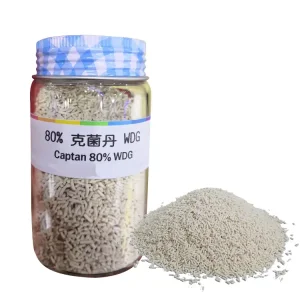
| Captan | FRAC M04 | Multi-site thiol reactant disrupting fungal enzyme respiration | 80% WDG, 50% WP, 480g/L SC | Zero resistance risk; indispensable anti-resistance tank-mix backbone with excellent crop safety. |
| Boscalid + Pyraclostrobin | FRAC 7 + FRAC 11 | Complex II Succinate dehydrogenase & Complex III Cytochrome bc1 inhibition | 38% WDG, 500g/L SC | Synergistic respiration blockage; delivers physiological "green effect" enhancing fruit firming. |
| Pyrimethanil | FRAC 9 | Inhibition of secretion of enzymes required for infection process | 400g/L SC, 70% WDG | Strong vapor phase activity reaching dense inner strawberry foliage canopy. |
| Fenhexamid | FRAC 17 | 3-keto reductase inhibition during sterol biosynthesis (C14-demethylation) | 50% WDG, 500g/L SC | Targeted botryticide with exceptional post-harvest residue profile and short PHI. |
Why Global Agrochemical Distributors and B2B Procurement Executives Partner with Chinese Enterprises
Chinese pesticide synthesis hubs integrate intermediate synthesis directly with final technical active ingredient (TC) production. This eliminates upstream supply disruptions for critical raw materials like 2-cyanophenol and triazole building blocks.
State-of-the-art Chinese formulation factories operate under ISO 9001, ISO 14001, and ISO 45001 standards. High-performance liquid chromatography (HPLC) and gas chromatography (GC) ensure batch purity consistency within ±0.3% of theoretical active concentration.
Modern fluidbed micro-granulation facilities yield Water Dispersible Granules (WDG) with zero dust toxicity, rapid dissolution (< 30 seconds), and complete dispersion stability in cold hard-water conditions.
With high-capacity automated production lines processing thousands of metric tons per year, Chinese factories deliver significant cost advantages to global brand owners, importers, and agricultural distributors.
Manufacturers provide comprehensive five-batch analysis, toxicological evaluation reports, GLP analytical data, and complete registration dossiers (ICAMA certificates, SDS, COA) to streamline overseas registration processes.
From 100g soluble foil sachets for smallholders to 1000L IBC totes for large industrial farms, Chinese suppliers provide tailor-made, UV-resistant HDPE, fluorinated bottles, and customized multi-language labeling.
Tailored Agrochemical Spray Protocols for High-Yield Commercial Strawberry Systems
In climate-controlled greenhouse setups with high relative humidity and automated overhead irrigation, microclimate vapor management is crucial. Applications of Pyrimethanil 400g/L SC or Fludioxonil + Cyprodinil 62.5% WDG at early bloom prevent spore germination. Zero-residue bio-fungicide rotations are recommended within 3 days of harvesting.
Plastic tunnels frequently suffer from dew condensation dripping onto fruit clusters. Tank-mixing multi-site contact fungicides such as Captan 80% WDG with specialized organosilicone surfactants enhances leaf tissue coverage and leaf sheath penetration, eliminating micro-droplet fungal germination pockets.
Open fields exposed to sudden rainfall require systemic compounds with strong rainfastness. Applying Boscalid + Pyraclostrobin 38% WDG ensures swift vascular uptake within 2 hours of application, protecting flowers and green fruit even under heavy precipitation events.
Awiner Biotech: Two Decades of Agrochemical Innovation and Global Technical Partnership
Founded in 2006, Awiner Biotech is strategically situated in Shijiazhuang, Hebei Province, North China, adjacent to China's capital Beijing with convenient port logistics access. Awiner Biotech is dedicated to the scientific research, high-tech formulation synthesis, and international distribution of advanced agrochemicals—specializing in fungicides, insecticides, herbicides, plant growth regulators, and public health pesticides.
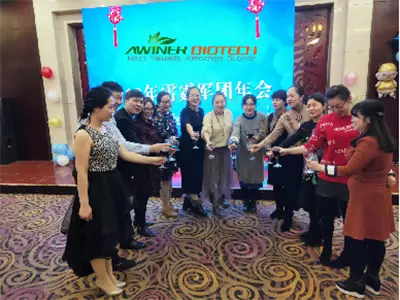
Through unwavering commitment to quality and technical excellence, Awiner Biotech has earned long-term partnerships across over 30 countries and regions including: Iraq, Iran, Afghanistan, Pakistan, India, Libya, Syria, Turkey, Yemen, Ukraine, Russia, Kazakhstan, Uzbekistan, Chile, Bolivia, Mexico, Brazil, Paraguay, Nigeria, Djibouti, Rwanda, Somalia, Malaysia, Cambodia, Nepal, Myanmar, and beyond.
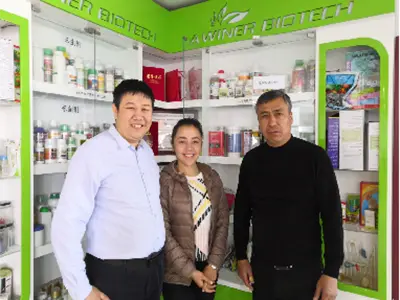
Awiner Biotech actively participates in major global agrochemical trade exhibitions in Turkey, Iran, Pakistan, Nigeria, Russia, Cambodia, Malaysia, and Uzbekistan. Beyond trade shows, our senior agronomists conduct hands-on field surveys directly in customer countries—analyzing localized pest pressures, evaluating spray efficacy, providing tank-mix guidance, and welcoming client delegations to our state-of-the-art Chinese manufacturing facilities.
The Evolution of Agrochemical Technologies: Biological Synergies, Low-Residue Formulations & Smart Spraying
Future Botrytis control relies on hybrid spray schedules. Alternating chemical fungicides like Captan 80% WDG during early bloom with biological controls (such as Bacillus subtilis strain QST 713 or Trichoderma harzianum) during harvest minimizes chemical residue build-up without sacrificing disease control efficacy.
Global fruit importers into Europe, Japan, and North America enforce ultra-strict MRL tolerances. Premium Chinese pesticide factories are re-formulating active ingredients into micro-emulsions (ME) and water-dispersible granules (WDG) that break down predictably into non-toxic metabolites, guaranteeing export compliance.
Expert Technical & Procurement Answers for Agrochemical Importers & Strawberry Growers
High-Grade Insecticides, Herbicides, PGRs, and Rodenticides for Integrated Agricultural Management
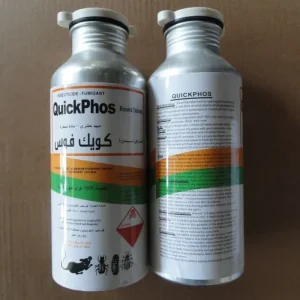
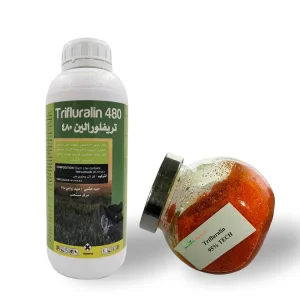
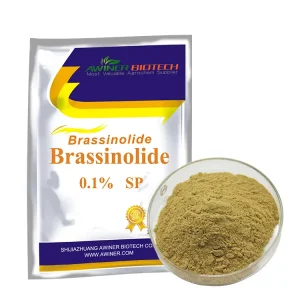
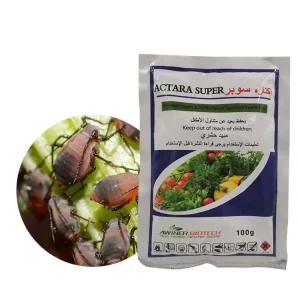
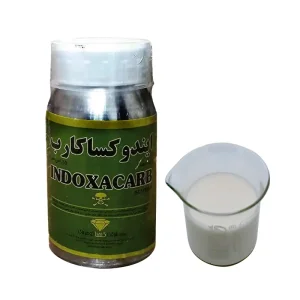
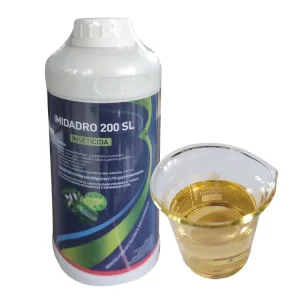
 Awiner Biotech