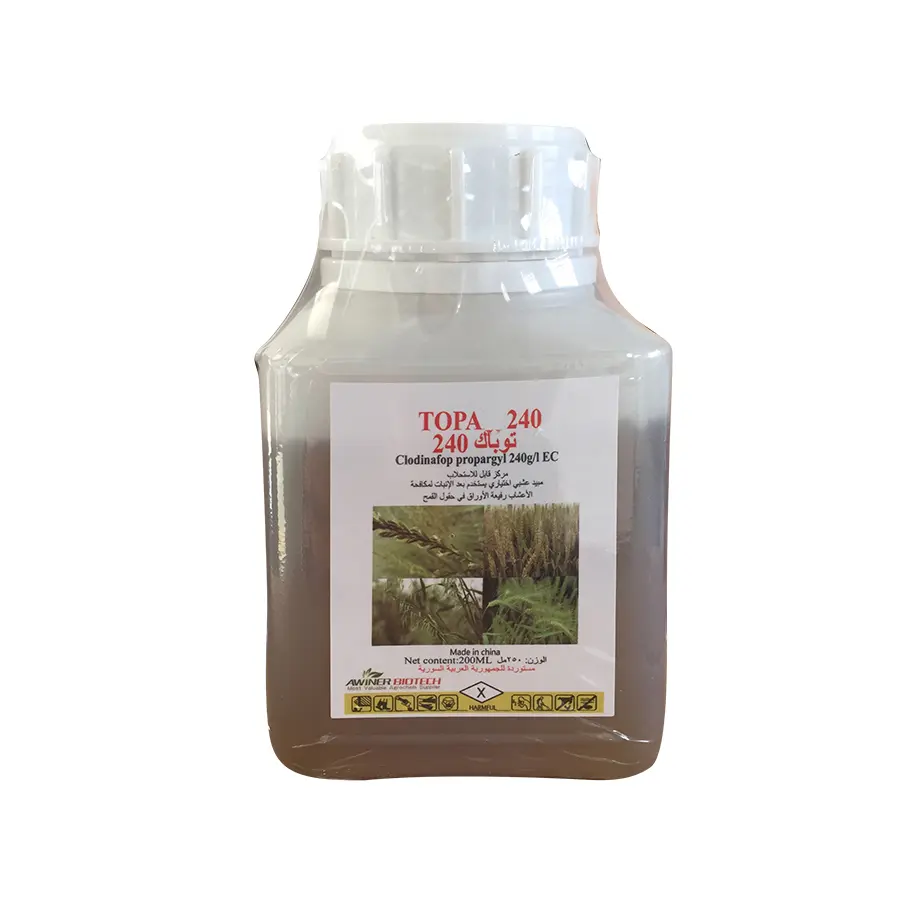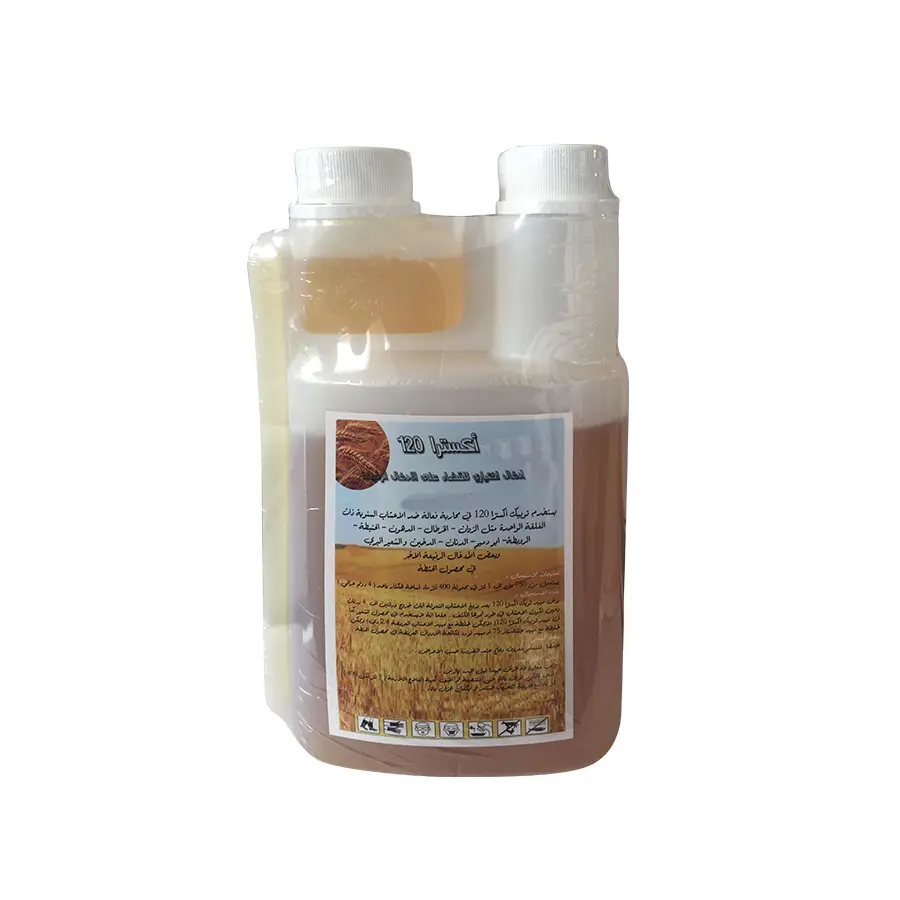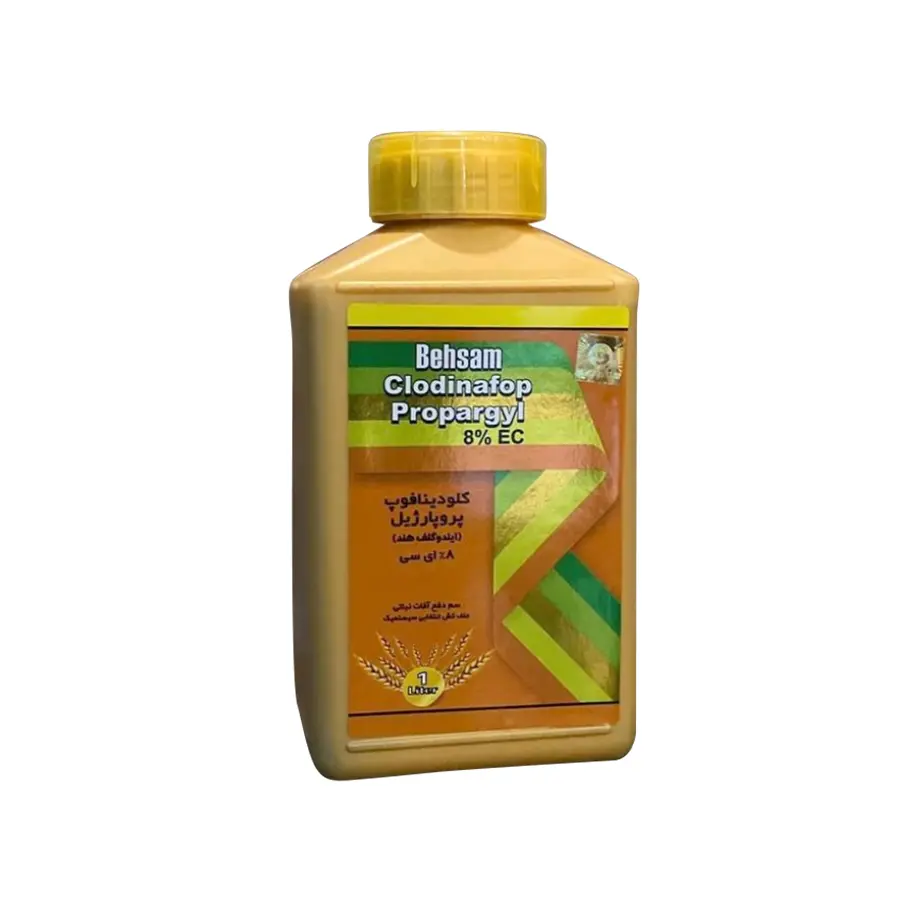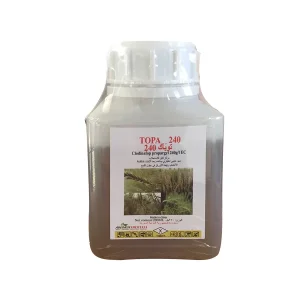
China Clodinafop-propargyl 12% ec Quotes, Pricelist

Product Description

Chemical Structure

The chemical structure of Clodinafop-propargyl is a propynyl phenoxyphenoxypropanoic acid derivative.

Mode of Action

Acts by inhibiting the acetyl coenzyme-A carboxylase (ACCase) enzyme system, essential for lipid and fatty acid synthesis in grass weeds.

Target Formulation

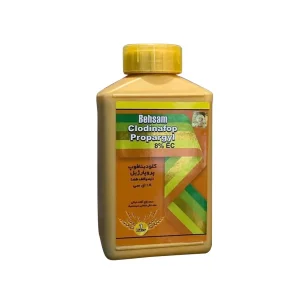
Clodinafop-propargyl 10%EC leads to the disruption of fatty acid biosynthesis, ultimately causing the complete death of targeted weeds.

Herbicide Spectrum & Efficacy

This selective herbicide is highly effective against a wide range of grass weeds, providing robust control over both annual and perennial grass species, including:

Wild Oats (Avena fatua)

Ryegrass (Lolium spp.)

Barnyard Grass (Echinochloa crus-galli)
Frequently Asked Questions
What chemical class does Clodinafop-propargyl belong to?
Clodinafop-propargyl is classified as a propynyl phenoxyphenoxypropanoic acid derivative herbicide.
How does Clodinafop-propargyl 10%EC control grass weeds?
It works by inhibiting the acetyl-CoA carboxylase (ACCase) enzyme system, which blocks essential fatty acid and lipid biosynthesis required for weed growth.
What types of weeds are susceptible to this herbicide?
It effectively controls a wide range of annual and perennial grass weeds, including wild oats, ryegrass, and barnyard grass.
Why is ACCase enzyme inhibition critical for weed control?
ACCase is essential for lipid synthesis. Inhibiting this enzyme disrupts fatty acid production, leading to plant cellular breakdown and ultimate weed mortality.
Is Clodinafop-propargyl effective against perennial grasses?
Yes, it is formulated to target both annual and perennial grass species effectively.

Related Products