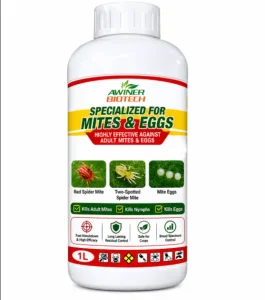
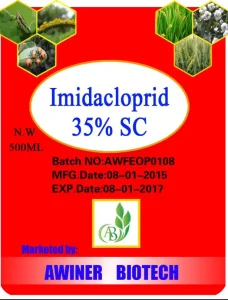
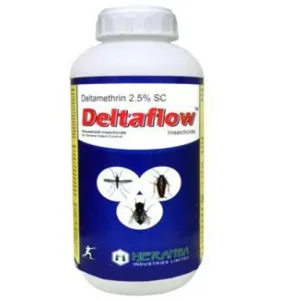
Explore our primary technical grade materials and precision formulations engineered for global agricultural performance and resistance management.
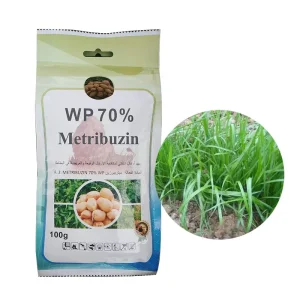
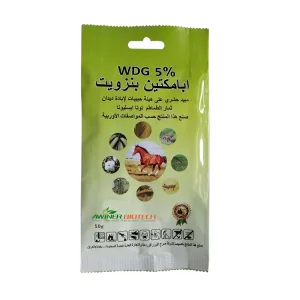
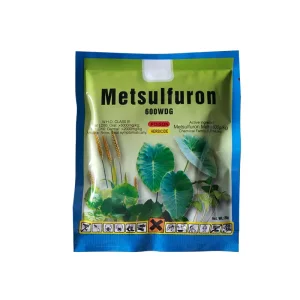
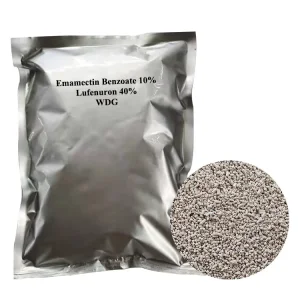
Strategic insights into why Emamectin Benzoate remains the cornerstone macrocyclic lactone insecticide for modern Integrated Pest Management (IPM) systems.
Emamectin Benzoate (CAS No. 155569-91-8) represents a breakthrough in biological semi-synthetic insecticide chemistry. Derived from the fermentation of the soil actinomycete Streptomyces avermitilis, it is engineered by modifying the structure of natural avermectin B1 (abamectin) into a salt with benzoic acid. This chemical refinement drastically increases its potency against targeted Lepidopteran species while retaining excellent environmental safety profiles when applied correctly.
In modern global crop protection, China stands as the global epicentre for Emamectin Benzoate manufacturing and technical export. Chinese chemical synthesis clusters produce over 75% of the world's Technical Grade (TC) supply and advanced formulations including Water Dispersible Granules (WDG), Soluble Granules (SG), and Emulsifiable Concentrates (EC). The strategic synthesis advantage, coupled with complete backward integration into raw Abamectin fermentation capacity, enables Chinese manufacturers to offer unmatched price-to-performance metrics.
Understanding the neurotoxic pathway and crop-specific pest spectrum of Emamectin Benzoate.
Emamectin Benzoate acts by binding to glutamate-gated chloride channels unique to invertebrate nervous systems. This binding stimulates an irreversible flux of chloride ions into nerve and muscle cells. The influx hyperpolarizes the neuronal membrane, preventing nerve impulse transmission. Affected larvae suffer immediate irreversible paralysis, stop feeding within 2-4 hours, and perish within 24 to 48 hours.
Unlike non-systemic contact insecticides that wash off easily during rainfall, Emamectin Benzoate exhibits exceptional translaminar movement. Upon foliar spraying, the active ingredient rapidly moves through the leaf cuticle and forms an internal active reservoir within the parenchyma tissue. This protects the active substance from solar UV degradation and rain fastness while continually poisoning leaf-chewing pests.
Although highly toxic to beneficial insects on direct contact spray, once the spray deposit dries completely (typically 2 to 4 hours post-application), the active compound penetrates inside the leaf tissue. Consequently, predatory mites, parasitoid wasps, and honeybees browsing the dried leaf surfaces experience minimal contact exposure, making Emamectin Benzoate highly compatible with integrated biological control programs.
| Crop Sector | Primary Target Pests | Recommended Formulation | Standard Active Dosage (a.i./ha) | Application Timing & Field Strategy |
|---|---|---|---|---|
| Maize & Corn | Fall Armyworm (Spodoptera frugiperda), Corn Earworm | 5% WDG / 10% WDG | 4.5 – 9.5 g a.i./ha | Apply at early whorl stage or upon detection of 1st–2nd instar larvae. Excellent resistance breaker. |
| Cotton | Cotton Bollworm (Helicoverpa armigera), Spodoptera exigua | 5% SG / 5% WDG | 7.5 – 12 g a.i./ha | Target early egg hatch and young larva populations before boring into bolls. Tank-mix friendly. |
| Brassicas & Vegetables | Diamondback Moth (Plutella xylostella), Cabbage Looper | 1.9% EC / 5% WDG | 3.0 – 6.0 g a.i./ha | Rotate with Chlorantraniliprole or Indoxacarb to manage high DBM resistance pressures. |
| Solanaceous Crops (Tomato/Eggplant) | Tomato Leafminer (Tuta absoluta), Fruit Borers | 5% WDG / 5% SG | 5.0 – 10.0 g a.i./ha | High translaminar activity kills mining larvae inside leaf tissue. Spray at first sign of mines. |
| Top Fruit & Citrus | Codling Moth, Leafrollers, Spider Mites (suppression) | 5% WDG / 2.2% EC | 10 – 15 g a.i./ha | Apply during petal fall or fruit development phase. Ensures clean, unblemished fruit harvest. |
Comparative analysis of Chinese manufacturing formulations designed for stability, dispersion, and field performance.
The Global Industry Gold Standard: Produced using advanced fluid-bed granulation technology. 5% WDG offers zero dust hazard, rapid dispersion in tank mixing (< 30 seconds), high suspension percentage (> 90%), and excellent storage stability even in tropical climate zones (Zone IVB stability testing at 54°C).
High Cuticular Penetration: Formulated with eco-friendly bio-solvents and optimized co-formulants to enhance leaf cuticle breakdown. EC formulations provide rapid initial knockdown when quick population reduction is required under severe pest infestation pressures.
To delay insect resistance development and expand the target spectrum to sucking pests, Chinese synthesis facilities lead in producing co-formulated premixes. Key high-demand B2B premixes include:
Combines neurotoxic adult/larval mortality (Emamectin) with Chitin Synthesis Inhibition (Lufenuron) for total egg-to-adult population collapse.
Dual sodium channel block and chloride channel activation delivers immediate knock-down alongside long-lasting residual control against resistant armyworms.
Broad-spectrum solution controlling both leaf-chewing caterpillars and sucking pests (aphids, whiteflies, thrips) in a single tank application.
Understanding commercial price dynamics, raw material dependencies, and strategic bulk procurement practices for international agrochemical distributors.
The market pricelist for China Emamectin Benzoate TC and formulations is influenced by four primary macroeconomic factors:
*Prices subject to spot market adjustments and minimum order quantities (MOQ).
| Product Grade | Purity / Specification | Standard Packaging | Indicative FOB Price Range |
|---|---|---|---|
| Emamectin Benzoate TC | 90% - 95% TC | 25kg Fibre Drum | Inquire for Live Quote |
| Emamectin Benzoate WDG | 5% WDG / SG | 100g - 1kg Aluminum Foil Bag / Bulk | Inquire for Live Quote |
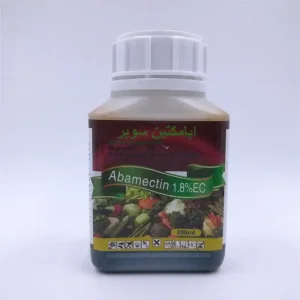
| Emamectin Benzoate EC | 1.9% EC / 5% EC | 1L / 5L / 200L HDPE Drum | Inquire for Live Quote |
Contact Awiner Biotech for tailored CIF quote breakdowns with custom OEM packaging.
Founded in 2006, dedicated to advancing sustainable agricultural protection and high-quality agrochemical distribution globally.
Awiner Biotech was established in 2006 and is located in Northern China—Shijiazhuang, Hebei Province. Situated close to Beijing, our strategic geographical location ensures convenient logistics and rapid export through major northern Chinese shipping ports.
Awiner Biotech is deeply committed to the research, production, and international distribution of agrochemical products. Our specialized portfolio encompasses pesticides, herbicides, fungicides, plant growth regulators (PGRs), and public health pesticides. Equipped with modern HPLC testing equipment, automatic liquid formulation lines, and advanced fluid-bed granulators, we ensure that every batch of Emamectin Benzoate meets strict FAO and WHO specifications.
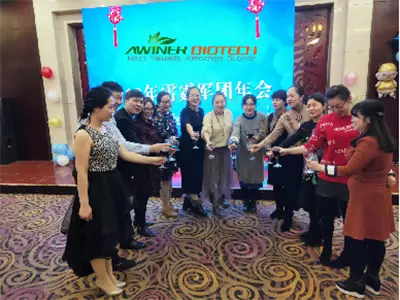

Up to now, Awiner Biotech has won long-term trust from customers across over 30 countries and territories, including Iraq, Iran, Afghanistan, Pakistan, India, Libya, Syria, Turkey, Yemen, Ukraine, Russia, Kazakhstan, Uzbekistan, Chile, Bolivia, Mexico, Brazil, Paraguay, Nigeria, Djibouti, Rwanda, Somalia, Malaysia, Cambodia, Nepal, Myanmar, and more.
Exhibitions & Field Surveys: We actively participate in international chemical and agrochemical exhibitions across Turkey, Iran, Pakistan, Nigeria, Russia, Cambodia, Malaysia, and Uzbekistan. Beyond trade shows, our agronomic team conducts regularly scheduled customer market inspections worldwide—analyzing local field problems, monitoring product usage efficacy, and delivering localized technical support.
Ensuring seamless registration and sustainable green-chemistry development for worldwide partners.
Navigating local agricultural authorities requires extensive technical documentation. Awiner Biotech supplies complete registration packages including GLP-accredited acute toxicity studies, environmental fate reports, Certificate of Analysis (COA), MSDS, and FAO specification compliance certificates for seamless product registration.
To satisfy diverse regional regulatory requirements, we offer customized OEM/ODM packaging options ranging from 10-gram water-soluble bags for smallholders to 1000-liter IBC totes for industrial plantation sprayers, complete with multi-lingual label compliance (Arabic, Spanish, Russian, English).
Looking forward, Awiner Biotech is pioneering micro-encapsulated (CS) and ultra-low volume (ULV) formulations of Emamectin Benzoate optimized specifically for Agricultural Unmanned Aerial Vehicles (UAV/Drone spraying), minimizing drift and reducing solvent consumption.
Expert answers to common technical, agronomic, and commercial procurement queries about Emamectin Benzoate.
While both belong to the macrocyclic lactone class, Emamectin Benzoate underwent structural chemical modification (addition of a methylamino salt group), rendering it up to 100 to 1,000 times more active specifically against Lepidopteran larvae (caterpillars). Furthermore, Emamectin Benzoate exhibits significantly better photostability inside plant foliage, extending its residual control period up to 7-14 days.
Emamectin Benzoate is considered an IPM-friendly tool because of its rapid translaminar movement. Within hours of spraying, the active ingredient is absorbed into the leaf tissue. Once the surface spray dries, beneficial non-target predators, parasitoid wasps, and bees foraging on the foliage experience minimal contact toxicity, while phytophagous chewing pests consuming the leaf tissue are eliminated.
To prevent or delay target pest resistance (such as in Plutella xylostella or Spodoptera frugiperda), growers should limit Emamectin Benzoate applications to a maximum of 2 consecutive sprays per crop cycle. It should be rotated with insecticides having alternate modes of action (IRAC groups), such as Chlorantraniliprole (IRAC 28), Indoxacarb (IRAC 22A), or Chlorfenapyr (IRAC 13). Premixing with Lufenuron also provides dual mode-of-action suppression.
Pricing depends primarily on raw Abamectin technical fermentation costs, synthesis solvent expenses, formulation choice (WDG vs EC), active ingredient concentration (5% WDG vs 10% WDG), package sizing (bulk drums vs customized retail packaging), and sea freight rates. Bulk orders placed during off-peak manufacturing windows in China often receive optimal contract pricing.
Awiner Biotech provides comprehensive regulatory support, including Certificates of Analysis (COA), Material Safety Data Sheets (MSDS), 5-batch analysis reports, acute toxicity test reports (oral, dermal, inhalation, eye irritation), stability data, and official FAO compliance certificates required by ministries of agriculture across LATAM, Africa, the Middle East, and Asia.
Explore additional high-performance herbicides, acaricides, and public health insecticides manufactured by Awiner Biotech.
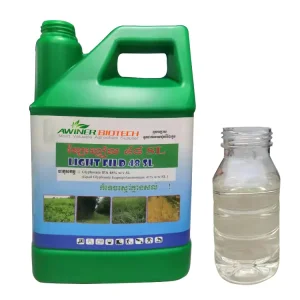
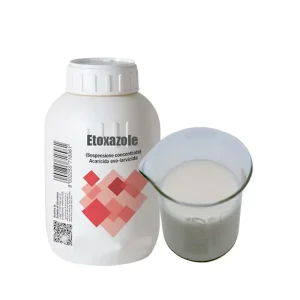
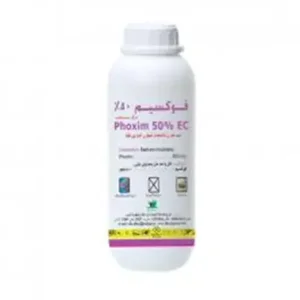
 Awiner Biotech