 Awiner Biotech
1 / 3
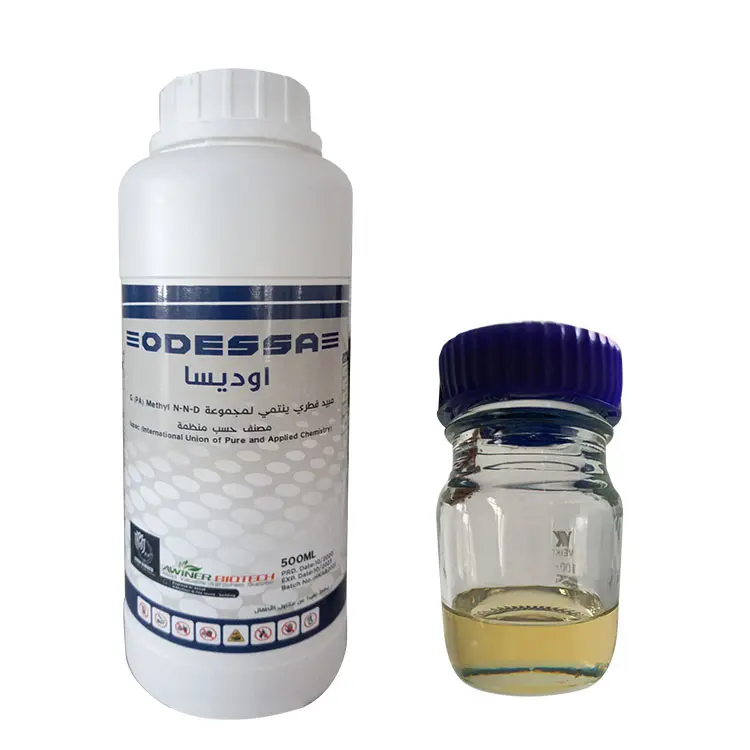
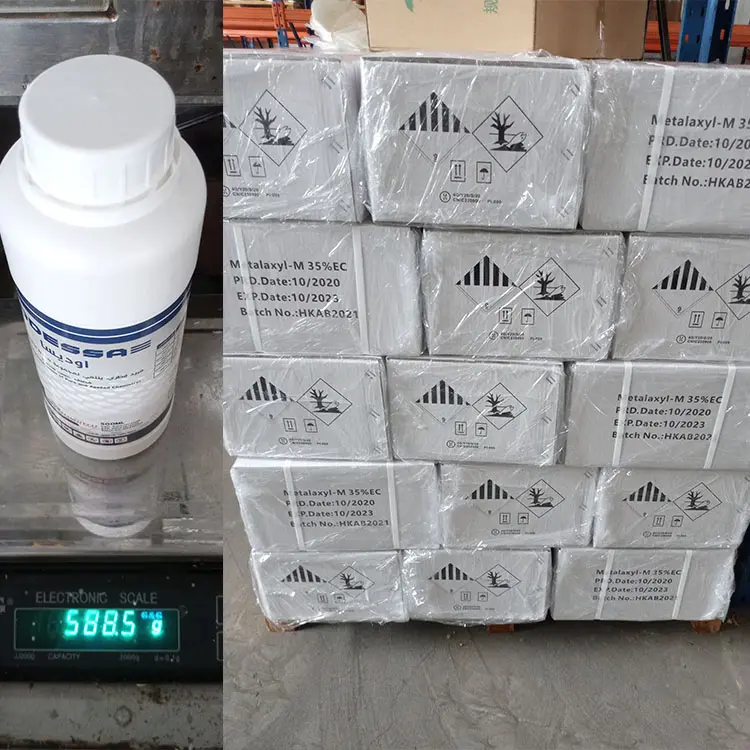
| Product Name | Metalaxyl 35%EC |
| CAS No. | 70630-17-0 |
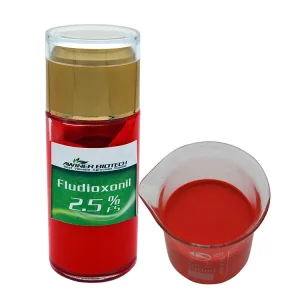
| Specification (COA) | Content: ≥48% Appearance: Red liquid |
| Mode of action | Inhibition of cellular respiration and energy generation in fungal cells |
| Targets | Downy mildew, rice seedling rot, damping-off |
| Crops | Peanut, rice, cotton |
| Main customer benefits | Longer Lasting Control Consistent Performance Secures Yield New Mode of Action |
| Dosage form | EC FS WP TC |
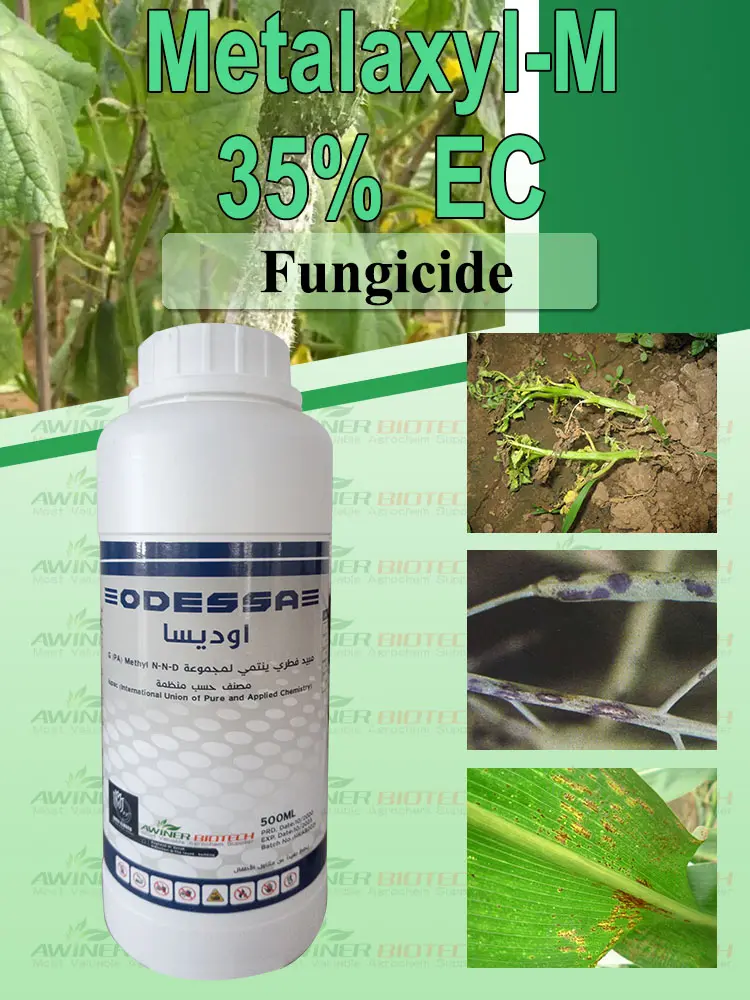
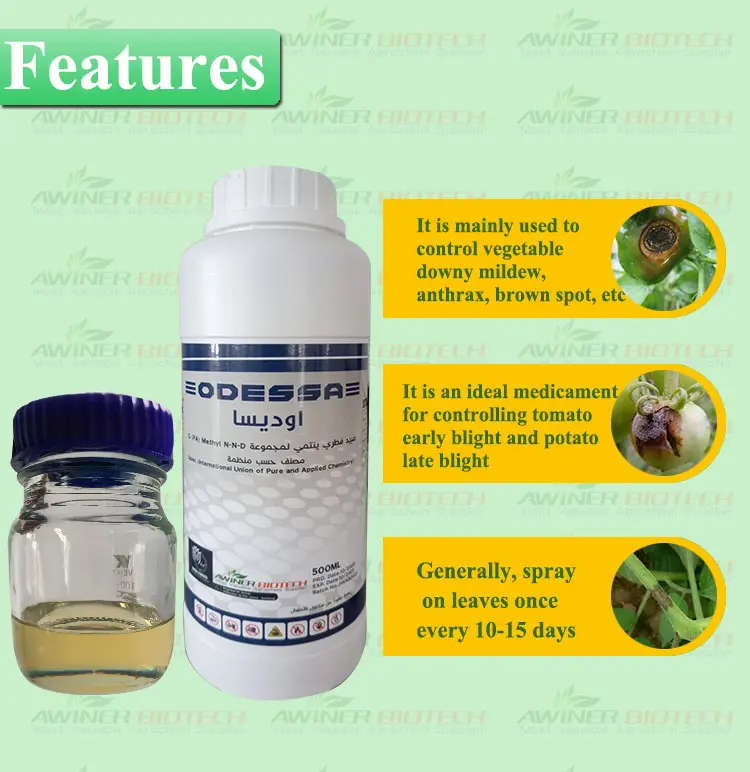
The highly effective metalaxyl in metalaxyl-m is also the first commercially available fungicide with stereoscopic optical activity. It can be used for seed treatment, soil treatment, and stem and leaf treatment. The same disease prevention effect requires only 1/2 of the amount of metalaxyl used, which degrades faster in soil than metalaxyl, increasing safety for users and the environment.
The main dosage form is 350 g/l seed treatment emulsion. To prevent and control soybean root rot, peanut root rot, and cotton bacterial wilt, a seed treatment emulsion of 350 grams per liter can be used, diluted with water in a ratio of 1: (1250-2500) to 1-2 liters, and the slurry and seeds are fully stirred until the liquid is evenly distributed on the surface of the seeds, then dried.
Metalaxin belongs to the class of benz endopeptic fungicides. It can not only prevent and treat diseases, but also eradicate diseases. It has a strong internal absorption and transmission function, that is, after entering the plant, the drug can be transmitted to the top, base, and side, so it can be sprayed on the leaf surface, seed treatment, or root irrigation. Metalaxyl has strong selectivity and is only effective against diseases of the class Oomycetes, but has specific effects against downy mildew, phytophthora, and Pythium.