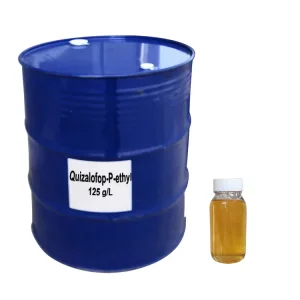
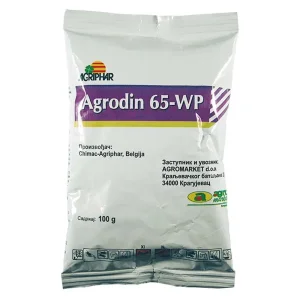
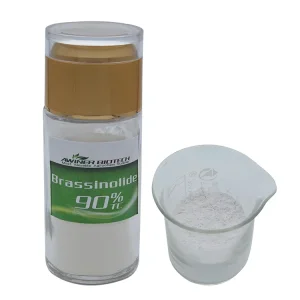
Explore our top-grade fast-acting insecticides, fungicides, and plant growth regulators manufactured under stringent ISO/FAO quality controls.
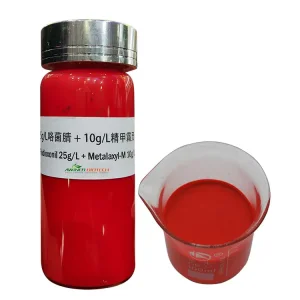
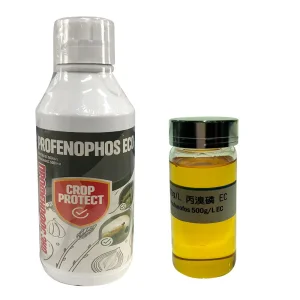
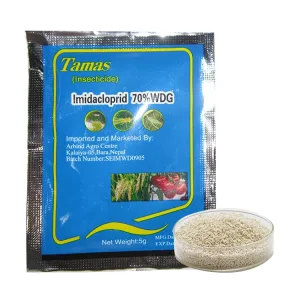
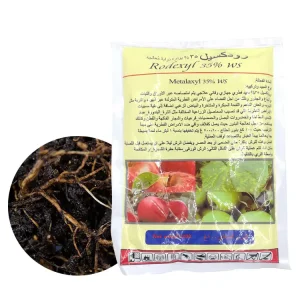
Understanding the biological challenges, rapid knock-down chemistries, and crop yield mitigation strategies required for modern commercial agriculture.
Aphids (family Aphididae) represent one of the most economically destructive pest groups in global agricultural production. With over 4,000 species worldwide, including notorious vectors such as Myzus persicae (Green Peach Aphid), Aphis gossypii (Cotton/Melon Aphid), and Rhopalosiphum padi (Bird Cherry-Oat Aphid), these piercing-sucking insects inflict exponential damage to row crops, commercial greenhouses, and fruit orchards. Beyond direct sap depletion, aphids transmit devastating plant viruses—such as Barley Yellow Dwarf Virus (BYDV), Potato Virus Y (PVY), and Citrus Tristeza Virus (CTV)—which cause multi-billion-dollar annual yield losses globally.
Because aphids reproduce parthenogenetically with rapid generation turnover (up to 15-20 generations per season under warm ambient temperatures), immediate population control is vital. Delayed action allows viral vectors to spread across entire crop blocks within 24 to 48 hours. B2B agricultural enterprise buyers and commercial distributors require fast-acting insecticides for aphids that deliver rapid contact paralytic action combined with translaminar and systemic mobility.
Modern fast-acting aphid control relies on strategic active ingredients classified by the Insecticide Resistance Action Committee (IRAC):
Actives: Imidacloprid, Acetamiprid, Clothianidin, Thiamethoxam. Act as competitive agonists on nicotinic acetylcholine receptors (nAChR) in the central nervous system. Provides rapid systemic translocation through xylem tissues, giving fast knock-down within hours and extended residual foliage protection.
Actives: Bifenthrin, Lambda-Cyhalothrin, Deltamethrin. Target voltage-gated sodium channels causing repetitive discharge and nerve membrane depolarization. Delivers ultra-fast "shock" contact kill effect upon direct contact or ingestion, stopping feeding activity within minutes.
Actives: Acephate, Pirimicarb, Chlorpyrifos (restricted regions). Acetylcholinesterase (AChE) inhibitors causing accumulation of acetylcholine at synapses. Acephate exhibits high water solubility and systemic penetration, offering strong knockdown and broad-spectrum pest suppression.
Actives: Pymetrozine, Flonicamid. Disrupt chordotonal organs involved in insect hearing and gravity sensing, instantly causing irreversible stylet paralysis. Aphids cease feeding within 1-2 hours and starve, offering high safety to beneficial insects and predatory mites.
From raw material synthesis to high-precision formulation technology: Analyzing China's chemical infrastructure and export capabilities.
China has established itself as the epicenter of global agrochemical manufacturing, producing over 70% of the world's active ingredient (TC) technical materials and advanced formulations. For international importers, multinational brand owners, and regional distributors seeking fast acting insecticide for aphids factories & suppliers, China offers unrivaled competitive advantages across cost, scalability, technology, and regulatory compliance.
China's comprehensive chemical industry supply chain ensures uninterrupted availability of basic intermediates (such as 2-chloro-5-chloromethylpyridine for neonicotinoids). This vertical integration minimizes price volatility and guarantees reliable batch delivery even during global supply chain disruptions.
Modern Chinese pesticide factories in Hebei, Jiangsu, and Shandong are equipped with automated fluid-bed granulation, bead milling, and jet pulverization technologies. We excel in low-dust Water Dispersible Granules (WDG/SG), high-loading Suspension Concentrates (SC), Microcapsule Suspensions (CS), and Emulsifiable Concentrates (EC).
State-of-the-art Chinese manufacturers operate under ISO 9001 quality, ISO 14001 environmental, and ISO 45001 safety management systems. Analytical testing via High-Performance Liquid Chromatography (HPLC) and Gas Chromatography (GC) ensures active ingredient purity meets strict FAO/WHO specifications.
| Formulation Type | Typical Actives | Knockdown Speed | Rainfastness | Target Crop Applications | Environmental Profile |
|---|---|---|---|---|---|
| Imidacloprid 75% WDG | Neonicotinoid | Fast (2-4 hours) | Excellent (Systemic) | Vegetables, Cotton, Maize, Wheat | Low dust, safe storage, non-flammable |
| Bifenthrin 10% EC / SC | Synthetic Pyrethroid | Immediate (< 15 mins) | Very High (Lipophilic) | Fruit Trees, Tea, Ornamentals, Row Crops | Contact killer, toxic to aquatic life |
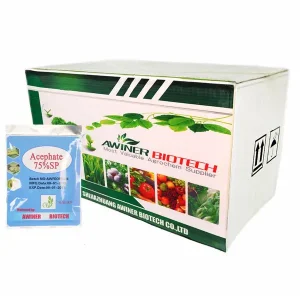
| Acephate 97% TC / 75% SP | Organophosphate | Moderate-Fast (1-3 hrs) | Moderate (Systemic) | Cotton, Soybeans, Industrial Crops | Broad-spectrum, requires PPE compliance |
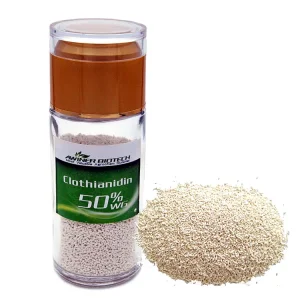
| Clothianidin 50% WDG | 2nd Gen Neonicotinoid | Very Fast (1-2 hours) | Superior Systemic | Cereal Grains, Rice, Solanaceous Vegetables | Long duration residual efficacy |
| Chlorfenapyr 36% SC | Pyrrole (Pro-insecticide) | Fast (Uncouples oxidative photophosphorylation) | High Foliar Penetration | Greenhouses, Resistant Pest Complexes | Overcomes organophosphate/pyrethroid resistance |
Tailoring fast-acting aphid controls for specific agricultural ecosystems, climate zones, and crop management systems.
In large-scale broadacre farming, early-season aphid infestations cause severe leaf curling and viral vector transmission. Applying Imidacloprid 75% WDG or Acephate 97% TC / 75% SP via high-clearance tractor sprayers or agricultural drones delivers swift knockdown across vast acreages. Rapid action halts sap sucking, preserving photosynthesis during critical flag-leaf and pod-filling growth stages.
Greenhouse environments (tomatoes, cucumbers, bell peppers, strawberries) accelerate aphid breeding due to warm, sheltered conditions. Utilizing targeted knockdown formulations like Clothianidin 50% WDG or selective feeding blockers minimizes crop burn risk while quickly reducing pest density. Proper tank mixing with specialized surfactants enhances cuticle penetration under humid greenhouse conditions.
Aphids on fruit trees attack delicate spring flushes, producing honeydew that fosters black sooty mold growth. Combining contact pyrethroids like Bifenthrin 10% with systemic neonicotinoids provides immediate surface knock-down and long-term bark/leaf translocation, protecting new shoots and preventing fruit cosmetic blemish.
Overreliance on a single active chemical class triggers metabolic resistance in aphid populations. Awiner Biotech strongly advises commercial farm managers and distributors to implement rotational spray programs: alternate between Group 4A (Neonicotinoids), Group 3A (Pyrethroids), Group 13 (Chlorfenapyr), and biopesticides or plant growth regulators (such as Brassinolide or GA3) to optimize crop vigor and prevent pest resistance buildup.
Established in Shijiazhuang, Hebei Province, Awiner Biotech is a dedicated manufacturer, researcher, and global exporter of high-grade pesticides and agricultural inputs.

Awiner Biotech was founded in 2006, located in the northern chemical industrial hub of Shijiazhuang, Hebei Province, close to China's capital Beijing. With convenient access to major shipping ports (such as Tianjin Port), we seamlessly distribute high-performance crop protection chemicals across the globe.
Our comprehensive portfolio covers Insecticides, Herbicides, Fungicides, Plant Growth Regulators (PGR), and Public Health Pesticides. We specialize in custom active ingredient concentrations, tailored eco-friendly packaging, and comprehensive registration documentation support (COA, MSDS, ICAMA, HPLC test reports) for our global business partners.
Up to now, Awiner Biotech has established solid commercial partnerships with agrochemical distributors and agricultural enterprises in over 27 countries, including:
Iraq, Iran, Afghanistan, Pakistan, India, Libya, Syria, Turkey, Yemen, Ukraine, Russia, Kazakhstan, Uzbekistan, Chile, Bolivia, Mexico, Brazil, Paraguay, Nigeria, Djibouti, Rwanda, Somalia, Malaysia, Cambodia, Nepal, Myanmar, and beyond.
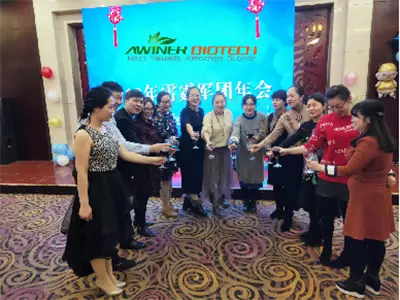
Our team actively participates in leading international agricultural exhibitions across Turkey, Iran, Pakistan, Nigeria, Russia, Cambodia, Malaysia, and Uzbekistan. Furthermore, our agronomists regularly conduct field market inspections to analyze crop usage, solve localized pest challenges, and ensure maximum ROI for our clients.
Key criteria for international buyers, importers, and agricultural tenders when selecting agrochemical suppliers.
Verify supplier capability to provide ICAMA certificates, Certificate of Analysis (COA), Safety Data Sheets (SDS/MSDS), and FAO-standard analytical specifications required by national ministries of agriculture for importation compliance.
Ensure SC and WDG formulations pass persistent foaming, wet sieve, and cold/hot storage stability testing (CIPAC methods) to guarantee extended shelf-life (minimum 2 years) in tropical or arid storage conditions.
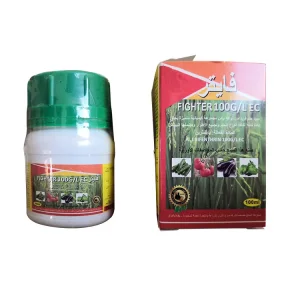
From 10ml ampoules, 100ml-1L HDPE bottles to 25kg aluminum bags and 200L drums, flexible packaging options with multi-language labelling (English, Arabic, Russian, Spanish, French) streamline local market retail distribution.
Direct answers to technical, commercial, and logistical queries from professional pesticide buyers and farm operators.
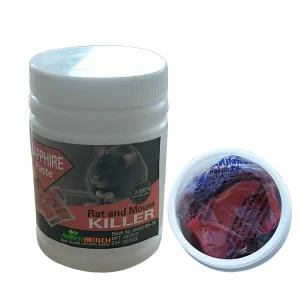
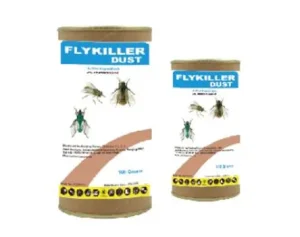
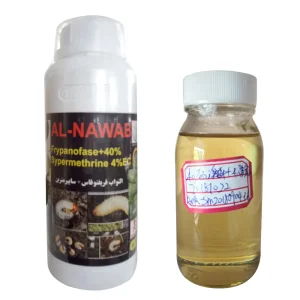
Explore our supplementary catalog featuring biological insecticides, fungicides, rodenticides, and plant growth regulators.
 Awiner Biotech