China Thrips Control Solutions & Agro-Chemical Manufacturing Whitepaper

Comprehensive Agronomic Analysis, Active Ingredient Synthesis, Resistance Management & Global Industrial Supply Chain Optimization

18+
Years Industrial Expertise
30+
Global Markets Served
99.8%
HPLC Purity Compliance
50+
Custom Formulations
1. Executive Summary & Global Thrips Dynamics
Thrips (order Thysanoptera) represent one of the most economically devastating insect vector groups impacting modern commercial agriculture globally. Comprising thousands of species—most notably Frankliniella occidentalis (Western Flower Thrips), Thrips tabaci (Onion Thrips), and Scirtothrips dorsalis (Chilli Thrips)—these polyphagous pests inflict dual-tiered yield losses. They cause direct feeding damage via punch-and-suck mouthparts that scar foliage and fruits, and indirectly serve as primary biological vectors for destructive orthotospoviruses, including Tomato Spotted Wilt Virus (TSWV) and Iris Yellow Spot Virus (IYSV).
Information Gain Insight: The rapid evolution of thrips resistance against conventional organophosphates and synthetic pyrethroids has created a critical global demand for specialized, high-purity active chemical combinations. Modern agrochemical manufacturing hubs in China have transitioned from basic technical synthesis to state-of-the-art micro-encapsulation and co-formulated active ingredients engineered specifically to disrupt multi-generational resistance dynamics.
As global temperatures rise and protected cultivation (greenhouse production) expands across Europe, the Americas, and Asia, thrips life cycles have accelerated dramatically. Under optimal conditions (28°C to 30°C), a single generation can complete development within 9 to 11 days, yielding exponential population growth. Mitigating this risk requires a paradigm shift: leveraging advanced active ingredients such as Thiamethoxam, Acetamiprid, Emamectin Benzoate, and Pymetrozine produced under stringent quality control standards.
Vector Transmission Risk
Thrips transmit viral pathogens within 30 minutes of feeding. Systemic chemical control with rapid antifeedant action is non-negotiable to prevent viral spread across high-value horticulture.
Cryptic Life Cycle
Pupation frequently occurs in the soil, while adults hide deep inside flower buds. Chemical formulations require translaminar and systemic mobility to reach hidden populations.
Metabolic Resistance
Over-reliance on single active modes of action leads to detoxification gene upregulation. Rotating IRAC chemical groups is essential for sustained field efficacy.
2. Technical Routes & Formulation Innovation in China
China's agrochemical manufacturing ecosystem has advanced far beyond fundamental technical (TC) chemical production. Today, modern industrial complexes in Hebei and across northern China integrate automated chemical synthesis with nano-emulsification and advanced granular formulation techniques. For thrips eradication, precise biochemical targeted modes of action are utilized:
Active Ingredient (AI) IRAC Group Primary Mode of Action Key Target Crops Formulation Strengths
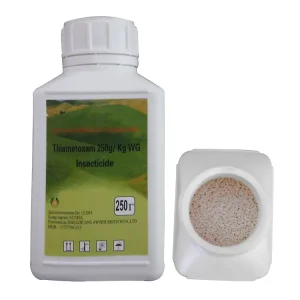
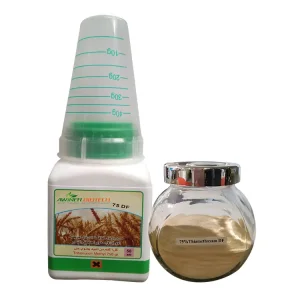
Thiamethoxam 4A (Neonicotinoid) Nicotinic acetylcholine receptor (nAChR) competitive modulator Vegetables, Citrus, Cotton, Cereals 25% WDG, 75% WDG / High systemic root uptake
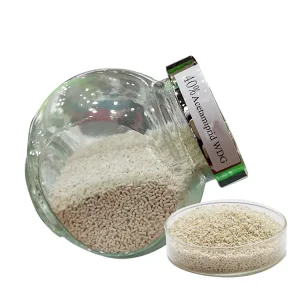
Acetamiprid 4A (Neonicotinoid) nAChR agonist disrupting central nervous system transmissions Fruit trees, Tea, Greenhouse Ornamentals 40% WDG, 20% SP / Rapid contact & translaminar activity
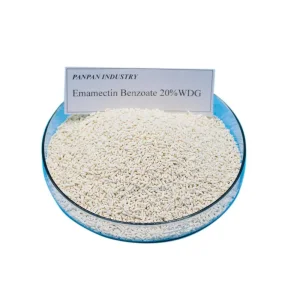
Emamectin Benzoate 6 (Avermectin) Glutamate-gated chloride channel (GluCl) allosteric activator Leafy greens, Brassicas, Solanaceous crops 5% WDG, 70% TC / Strong stomach action against larvae
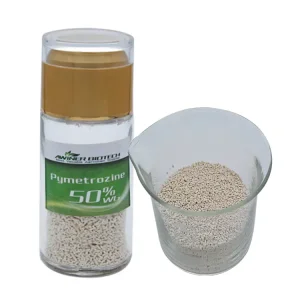
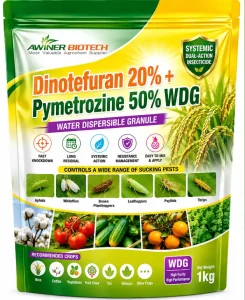
Pymetrozine 9B (Pyridine azomethine) Chordotonal organ TRPV channel modulator (Immediate feeding cessation) Rice, Vegetables, Field crops 50% WDG / Excellent selective IPM safety profile
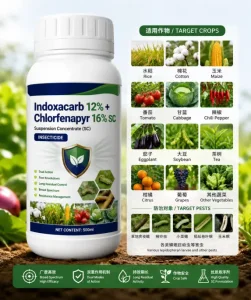
Indoxacarb + Chlorfenapyr 22A + 13 Premix Voltage-dependent sodium channel blocker + Oxidative phosphorylation uncoupler Peppers, Strawberries, Floral crops 12% + 16% SC / Multi-target dynamic knock-down
Formulation Technology Breakthroughs: WDG & SC
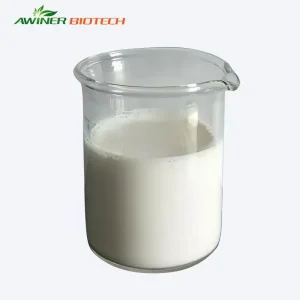
Traditional Emulsifiable Concentrates (EC) often rely on harsh organic solvents that cause phytotoxicity on tender petals and young fruits where thrips aggregate. Chinese manufacturers have pioneered clean, water-dispersible technologies:
Fluidbed Granulation (WDG)
Micro-granules feature zero dust creation, instantaneous water dispersion (< 30 seconds), and long-term shelf stability in tropical climates without caking or degradation.
Suspension Concentrates (SC)
Sub-micron milling processes achieve particle sizes under 2.5 microns, greatly enhancing foliar coverage, adhesion, and penetration through hydrophobic leaf cuticle waxes.
Microencapsulation (CS)
Controlled-release polymer shells protect light-sensitive actives from UV breakdown, extending residual soil and foliar protection periods up to 21 days.
3. Localized Agronomic Application Scenarios & IPM Rotations
Thrips control cannot rely on a single chemical application. Sustainable pest control demands context-specific Integrated Pest Management (IPM) frameworks tailored to micro-climates, cropping systems, and regional chemical registration landscapes across global agricultural zones.
Protected Greenhouse Floriculture
Regions: Netherlands, Kenya, Colombia, Ecuador.
Challenge: Ultra-low damage thresholds on roses, carnations, and chrysanthemums.
Protocol: Early drenching with systemic Thiamethoxam 75% WDG during vegetative growth, followed by targeted rotational sprays of Acetamiprid 40% WDG and bio-rationals during flower bud initiation to avoid petal discoloration.
Open-Field Solanaceous & Allium
Regions: Southeast Asia, Middle East, India, Mexico.
Challenge: High ambient temperatures driving continuous generations on chili pepper, tomato, and onion.
Protocol: Synergistic tank-mix application of Indoxacarb 12% + Chlorfenapyr 16% SC interspersed with Pymetrozine 50% WDG to preserve predatory mites (Amblyseius swirskii) and beneficial lacewings.
Perennial Subtropical Orchards
Regions: Brazil, Spain, South Africa, Australia.
Challenge: Scirtothrips scarring citrus rind, reducing fresh fruit export grade value.
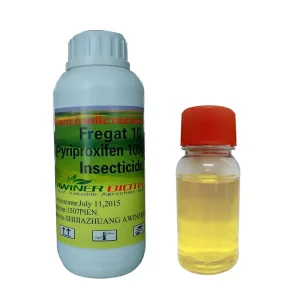
Protocol: Foliar treatment at 100% petal fall using high-penetration Pyriproxyfen 100g/L EC to inhibit egg hatch and juvenile nymph molting, preventing rind blemish formation.
Recommended Anti-Resistance Rotation Protocol: Never apply active ingredients from the same IRAC chemical class for more than two consecutive applications. Rotate systemic Neonicotinoids (IRAC 4A) with Macrocyclic Lactones (IRAC 6) and Sodium Channel Blockers (IRAC 22A) within a 30-day treatment window.
4. China's Agrochemical Manufacturing Efficiency & Supply Chain Advantages
China remains the world's primary engine for crop protection manufacturing, supplying over 70% of global active technical ingredients and specialized finished formulations. The structural integration of synthesis plants, raw chemical feedstock, raw packaging material factories, and logistical infrastructure creates unparalleled supply chain resilience.
Upstream Feedstock Integration
Direct access to raw chemical intermediates (such as 2-chloro-5-chloromethylpyridine for neonicotinoids) insulates manufacturing from global price spikes and raw material shortages.
Advanced Automation & Scale
High-capacity automated liquid filling and powder jet-milling facilities maintain continuous production runs, ensuring low unit costs and rapid order fulfillment.
Port & Transit Logistics
Strategic proximity to major deep-water chemical shipping terminals (Tianjin, Qingdao, Shanghai) enables reliable global sea freight scheduling and hazmat handling.
5. Corporate Leadership: Awiner Biotech Manufacturing Profile
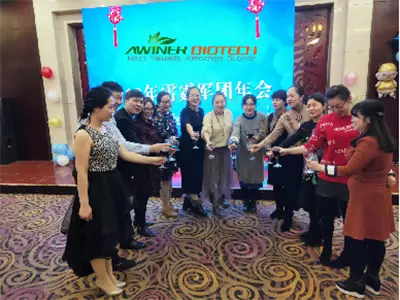
Awiner Biotech was founded in 2006, located in the northern chemical industrial hub of Shijiazhuang, Hebei Province, China. Situated near the capital city of Beijing, transportation and logistical connections are highly efficient. Awiner Biotech is dedicated to the research, synthesis, formulation, and global distribution of premier crop protection chemicals.
Our main product portfolio includes selective and non-selective pesticides, insecticides, herbicides, fungicides, plant growth regulators (PGRs), and public health pest control solutions. Engineered under strict ISO 9001 and ISO 14001 quality management guidelines, our formulations are optimized to withstand diverse environmental stresses.
Awiner Market Footprint
Global Footprint & Market Reach
Up to now, Awiner Biotech has earned the trust of growers and commercial distributor partners across dozens of international markets, including: Iraq, Iran, Afghanistan, Pakistan, India, Libya, Syria, Turkey, Yemen, Ukraine, Russia, Kazakhstan, Uzbekistan, Chile, Bolivia, Mexico, Brazil, Paraguay, Nigeria, Djibouti, Rwanda, Somalia, Malaysia, Cambodia, Nepal, Myanmar, and beyond.
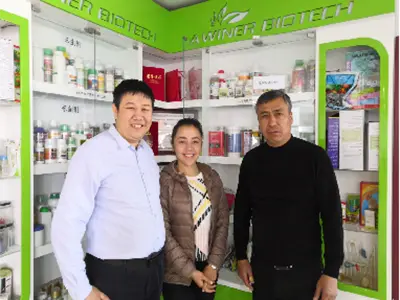
Awiner International Network
Exhibitions & Field Agronomy
Our technical commitment extends far beyond factory walls. We regularly participate in key international agricultural expos across Turkey, Iran, Pakistan, Nigeria, Russia, Cambodia, Malaysia, and Uzbekistan. Furthermore, our agronomic teams conduct overseas customer market surveys directly in client fields—analyzing localized pest resistance dynamics, solving application challenges, and verifying product efficacy in real time.

6. Quality Control, International Regulatory Compliance & OEM Support
To meet strict agricultural standard requirements across different continents, Awiner Biotech operates an end-to-end quality assurance system. Every batch of technical material and finished product undergoes rigorous high-performance liquid chromatography (HPLC) and gas chromatography (GC) purity testing before dispatch.
GLP Analytical Support
We provide complete Good Laboratory Practice (GLP) chemical batch analysis report dossiers, ICAMA registration support documents, and certificates of analysis (COA) required by agricultural authorities worldwide.
Custom OEM / ODM Packaging
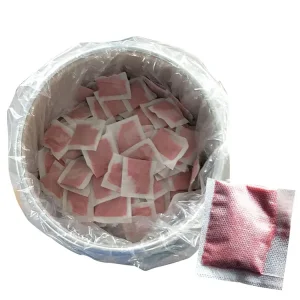
From 10mL micro-bottles for smallholders to 200L bulk industrial drums, alongside customized multi-layer aluminum foil sachets for water-dispersible granules, we deliver tailormade packaging built for tropical UV stability.
EHS Environment Standard
Our manufacturing facilities adhere to modern Environmental Health and Safety (EHS) zero-emission standards, utilizing biological wastewater treatment plants and catalytic thermal oxidizers for emissions control.
7. Frequently Asked Questions (FAQ) & Technical Guidance
Why are thrips exceptionally difficult to control with conventional single-agent insecticides?
Thrips possess rapid reproduction cycles, high fecundity, and thigmotactic behavior—meaning they hide deep inside narrow flower crevices, leaf sheaths, and soil crevices during pupation. Furthermore, continuous exposure to single chemical modes of action triggers metabolic detoxification enzymes (such as cytochrome P450 monooxygenases). Overcoming this requires systemic active ingredients (like Thiamethoxam) combined with multi-site contact and stomach-action products in rotation.
What is the advantage of using Thiamethoxam 75% WDG compared to traditional liquid formulations?
Thiamethoxam 75% Water Dispersible Granules (WDG) offer superior storage stability, eliminate hazardous solvent evaporation, reduce transport weight, and dissolve rapidly without leaving nozzle-clogging residues. The high concentration allows lower application volumes per hectare while providing powerful root-systemic uptake in drip irrigation systems.
How does Awiner Biotech assist international buyers with local product registration?
We provide complete registration support documentation including Certificates of Analysis (COA), Stability Testing Data, Sample Validation, Manufacturing Flowcharts, and GLP-certified toxicity data required by Ministries of Agriculture across South America, Africa, the Middle East, and Asia.
Can Pymetrozine 50% WDG be safely integrated with beneficial insects in IPM greenhouse programs?
Yes. Pymetrozine selectively targets sap-sucking Hemiptera and Thysanoptera pests by modulating chordotonal stretch receptors. Because it acts primarily as a feeding blocker rather than a broad-spectrum neurotoxin, it exhibits extremely low toxicity toward beneficial parasitoids, predatory mites (such as Phytoseiidae), and pollinators when applied according to label recommendations.
What is the recommended storage temperature and shelf-life for high-purity active ingredient formulations?
When stored in original sealed OEM containers away from direct sunlight and excessive humidity (temperatures below 35°C), high-purity WDG, SC, and TC products manufactured by Awiner Biotech maintain full chemical stability and bio-efficacy for 2 years minimum.