 Awiner Biotech
1 / 4
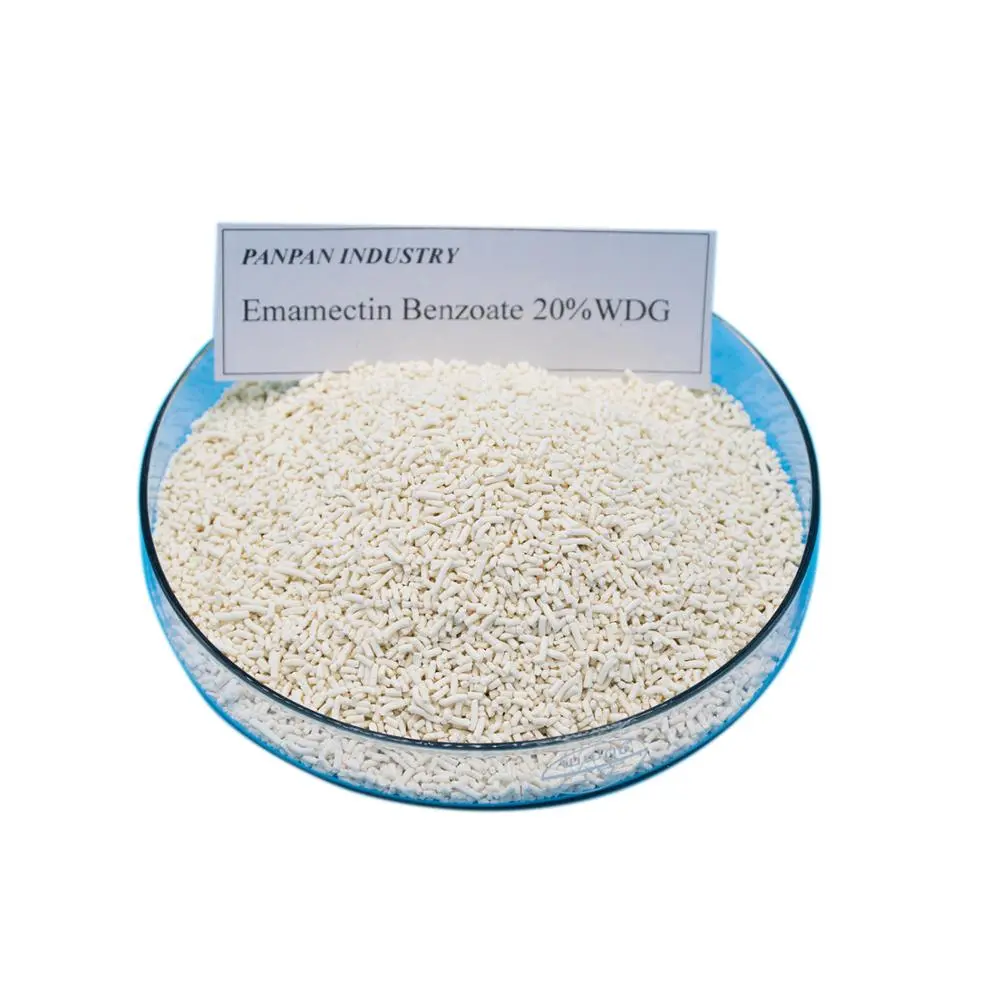
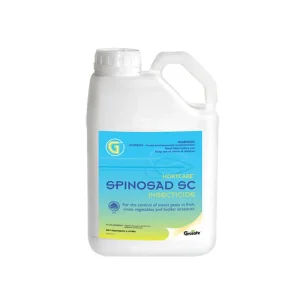
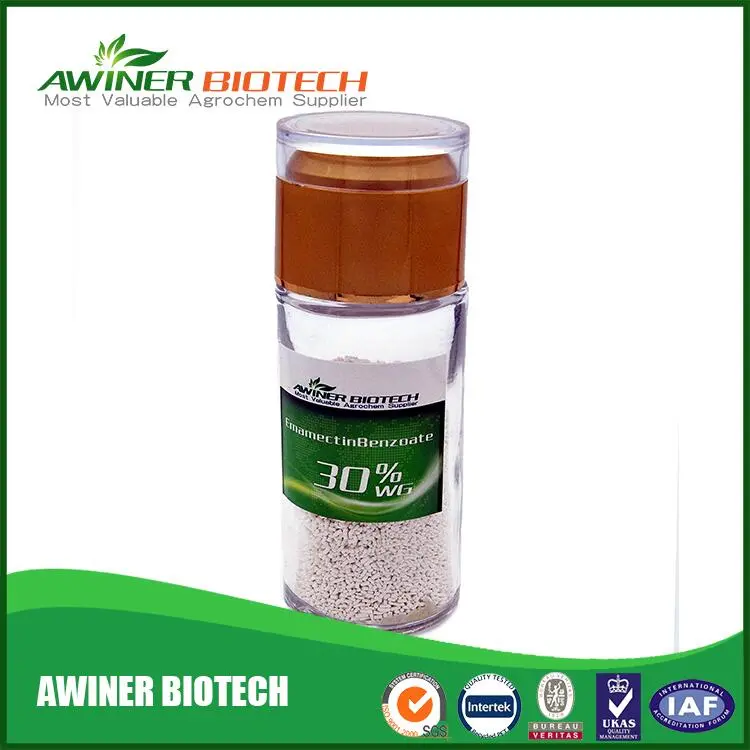
Non-systemic insecticide which penetrates leaf tissues by translaminar movement. Paralyses the Lepidoptera, which stop feeding within hours of ingestion, and die 2–4 days.
| Formulation | Crop | Insects | Dosage |
|---|---|---|---|
| 30% WDG | Brassicaceous vegetable | Plutella xylostella | 3-4.5 g/ha. |
| Bean | Oriental tobacco budworm | 3-4.5 g/ha. |
Control of sucking insects, including rice-, leaf- and planthoppers, aphids, thrips and whitefly. Also effective against soil insects, termites and some species of biting insects, such as rice water weevil and Colorado beetle. Has no effect on nematodes and spider mites. Used as a seed dressing, as soil treatment and as foliar treatment in different crops, e.g. rice, cotton, cereals, maize, sugar beet, potatoes, vegetables, citrus fruit, pome fruit and stone fruit.
It is a high-efficiency insecticide used to control lepidopteran pests, sucking insects, and biting insects across crops like rice, vegetables, fruit trees, and cotton.
It acts non-systemically via translaminar movement into leaf tissues. It paralyzes Lepidoptera pests, causing them to stop feeding within hours and die within 2 to 4 days.
The standard application dosage is 3 to 4.5 g/ha for controlling Plutella xylostella in Brassicaceous vegetables and Oriental tobacco budworm in bean crops.
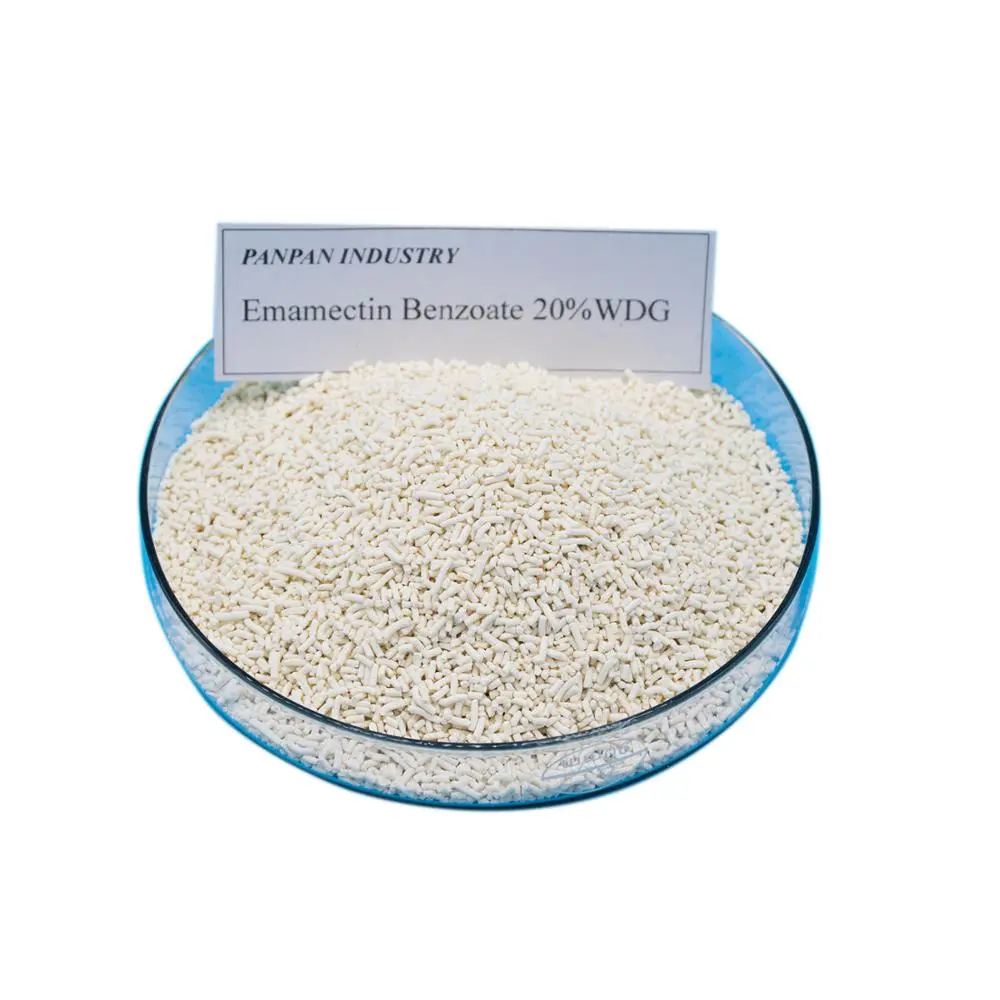
The technical specification (COA) includes active ingredient content >30%, suspensibility ≥80%, water content ≤0.6%, and a pH range of 4.0 to 8.0.
It delivers longer-lasting pest control, consistent field performance, crop yield security, and an updated mode of action against resistant insect populations.
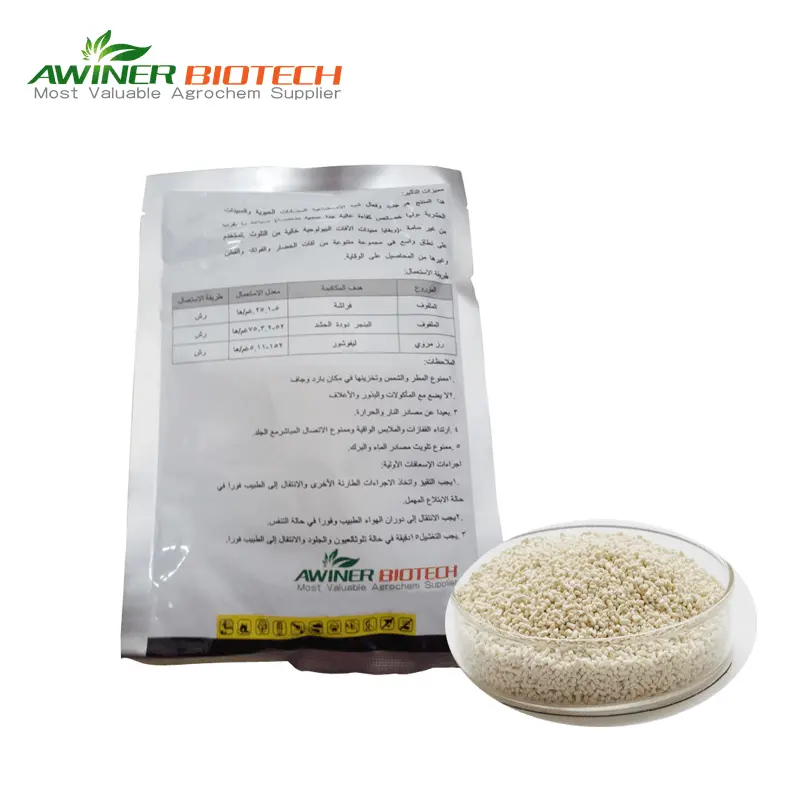
Depending on the crop and pest target, it can be applied as a foliar treatment, soil treatment, or seed dressing.