Explore our top-tier targeted insecticides, herbicides, and crop protection agents, formulated under strict ISO & FAO standards for global agricultural distribution.
Soybeans (Glycine max) stand as the cornerstone of global protein and edible oil supply chains. However, commercial soybean production faces constant phytosanitary pressure from lepidopterous foliage feeders and pod-borers, colloquially categorized as soybean worms. Primary destructive species include the Soybean Looper (Chrysodeixis includens), Fall Armyworm (Spodoptera frugiperda), Velvetbean Caterpillar (Anticarsia gemmatalis), and Corn Earworm / Podworm (Helicoverpa zea).
As global climate shifts alter pest migration corridors and accelerate generational lifecycles, global agricultural enterprises and distributors require high-efficiency, multi-target chemical formulations from established Chinese pesticide manufacturers. Modern agrochemical procurement demands not only competitive supplier pricing but also reliable active ingredient (AI) purity, eco-toxicological compliance, advanced suspension/granule technologies, and long-term resistance management frameworks.
The global agricultural chemicals market for soybean insect control is undergoing a systemic transition driven by regulatory re-evaluations, ecological stewardship, and emerging insect resistance to older active chemistries. B2B buyers and commercial enterprise importers must navigate several key shifts:
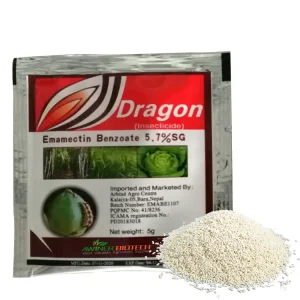
Legacy organophosphates and early-generation carbamates are being progressively restricted due to mammalian toxicity and environmental persistence. Supply chains are heavily migrating toward high-potency semi-synthetic chemistries such as Emamectin Benzoate, Indoxacarb, and Chlorfenapyr, which demonstrate lower non-target toxicity and rapid breakdown profiles.
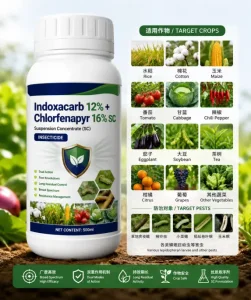
Continuous, single-mode-of-action applications have led to widespread field resistance in Spodoptera frugiperda against pyrethroids. Dual-action premixes—such as Indoxacarb + Chlorfenapyr SC—are taking center stage, utilizing complementary MoA (Mode of Action) to shatter pest metabolic defenses and restore knockdown efficacy.
Environmental standards in the EU, South America, and Asia favor Water Dispersible Granules (WDG) and Suspension Concentrates (SC) over classic Emulsifiable Concentrates (EC). Modern WDG and SC lines eliminate volatile organic compounds (VOCs), optimize rainfastness, and enhance storage stability under tropical conditions.
Selecting the appropriate chemical enterprise protocol requires a granular understanding of target biology, cellular modes of action, and formulation physics. Chinese chemical manufacturing hubs provide tailored technical and end-use formulations engineered for maximum bio-availability.
| Active Ingredient / Combination | IRAC MoA Group | Target Soybean Worm Pests | Key Chemical Advantages | Recommended Formulations |
|---|---|---|---|---|
| Emamectin Benzoate | Group 6 (Glutamate-gated chloride channel allosteric modulators) | Soybean Looper, Armyworm, Corn Earworm | Ultra-low dosage rate, translaminar activity, rapid paralysis within hours of ingestion. | 5% WDG, 1.9% EC, 5% SG |
| Indoxacarb + Chlorfenapyr | Group 22A (Voltage-dependent sodium channel blockers) + Group 13 (Uncouplers of oxidative phosphorylation) | Resistant Spodoptera, Pod Borers, Cutworms | Dual-mode synergistic action; overcomes pyrethroid resistance; excellent ovicidal and larvicidal control. | 12% + 16% SC, 28% SC |
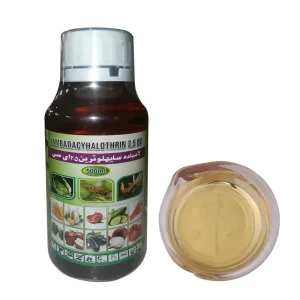
| Lambda-Cyhalothrin | Group 3A (Sodium channel modulators - Pyrethroids) | Foliage Caterpillars, Stink Bugs, Beetles | Fast contact knockdown, strong repellent properties, cost-effective broad-spectrum tank mix partner. | 2.5% EC, 5% EC, 25% CS |
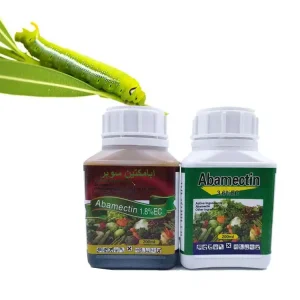
| Abamectin | Group 6 (GABA and glutamate-gated chloride channel blockers) | Mites, Leafminers, Early-instar Caterpillars | Natural fermentation derivative, strong translaminar movement protecting unsprayed leaf undersides. | 1.8% EC, 3.6% EC, 5% SC |
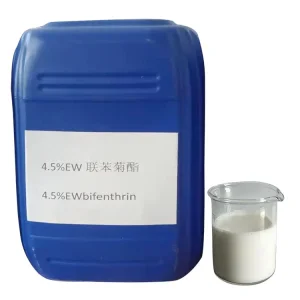
| Bifenthrin + Permethrin | Group 3A (Pyrethroids) | Soil caterpillars, Cutworms, Foliage Feeders | High soil adsorption stability, long residual activity, versatile broad-spectrum crop protection. | 4.5% EW, 10% EC |
Modern spray application in extensive soybean farming requires formulations compatible with high-speed boom sprayers and aerial drone setups. Water Dispersible Granules (5% WDG) offer non-dusting handling, rapid spontaneous dispersion in hard water, and zero phytotoxicity risks associated with organic solvents. Concurrently, Suspension Concentrates (SC) provide microscopic particle sizes (typically < 5 microns), maximizing leaf coverage area and rainwater wash-off resistance.
For global agrochemical distributors, agricultural conglomerates, and tender buyers, securing reliable quotes and establishing transparent supply chains in China involves stringent evaluation metrics:
Global buyers require complete registration packages, including GLP-grade toxicology reports, environmental fate studies, and certificates of analysis (COA) issued under ICAMA (Institute for the Control of Agrochemicals, Ministry of Agriculture) supervision.
Flexible enterprise manufacturing supports packaging ranging from 100ml/100g retail bottles and sachets up to 200L HD-PE drums and 1000L IBC totes, compliant with international IMDG ocean transport safety codes.
Chinese suppliers with integrated upstream chemical synthesis guarantee key intermediate availability (e.g., cyclopentadiene derivatives, precursor amines), hedging against global price volatility and seasonal supply shortages.
Chemical interventions yield maximum ROI when embedded into a structured Integrated Pest Management (IPM) framework. Over-reliance on single active ingredients creates selection pressure, leading to target resistance.
Initiate drop-cloth or sweep-net scouting during vegetative stages V3–V6. Chemical action thresholds are typically triggered when defoliation reaches 30% pre-bloom or 15% during pod-fill stages with active larva counts exceeding 4-8 worms per row-foot.
Deploy precision UAV spraying systems using drift-reducing SC or WDG formulations. Adjust nozzle micron sizes (150–250 µm) to penetrate the dense soybean leaf canopy, delivering active ingredients directly to lower-leaf larval harborages.
Rotate insecticide chemical families across consecutive insect generations. Alternating IRAC Group 6 (Emamectin Benzoate) with IRAC Group 22A+13 premixes (Indoxacarb + Chlorfenapyr) prevents metabolic target-site mutations.
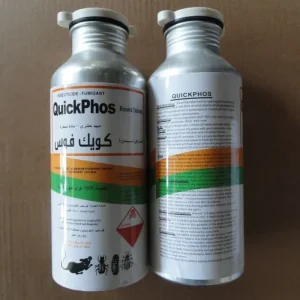
Protect stored soybean stocks post-harvest against secondary grain borers using public health and fumigation agents like Aluminum Phosphide 56% TB in sealed silo environments.
As crop protection technology evolves, China's agrochemical sector is investing heavily in Next-Gen R&D pipelines designed to deliver sustainable, ultra-targeted pest control solutions:
Polymer capsule coatings shield UV-sensitive active ingredients like Emamectin Benzoate from rapid photodegradation, extending field residual activity from 5 days up to 21 days while reducing overall active ingredient application rates per hectare.
Pioneering research into double-stranded RNA (dsRNA) topically applied sprays designed to silence specific essential genes in Chrysodeixis includens without posing any eco-toxicological threat to beneficial pollinators or aquatic ecosystems.
Integration of organosilicone spreaders and dynamic surface-tension modifiers that increase leaf droplet coverage area by 300%, ensuring zero runoff during high-humidity or tropical rainy season applications.
Awiner Biotech was founded in 2006, located in the north of China—Shijiazhuang, Hebei Province. The city is close to our capital Beijing, with convenient transportation links to major international seaports such as Tianjin Port.
Awiner Biotech is committed to the research, production, and distribution of premium agrochemicals. We specialized deal with insecticides, herbicides, fungicides, plant growth regulators (PGR), and public health pest control solutions.
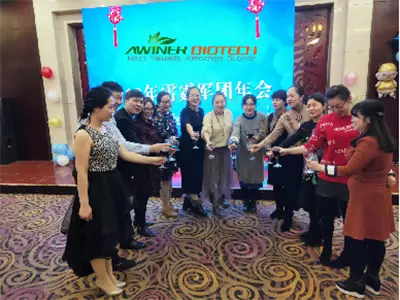
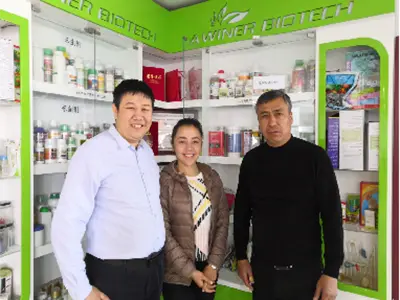
Our commitment goes beyond manufacturing. We regularly conduct participating exhibitions in Turkey, Iran, Pakistan, Nigeria, Russia, Cambodia, Malaysia, and Uzbekistan. Furthermore, our technical experts perform international customer market surveys—visiting local farm fields, inspecting pest dynamics, solving formulation challenges, and ensuring optimal crop protection outcomes.
For populations exhibiting high pyrethroid resistance, premix formulations combining Indoxacarb 12% + Chlorfenapyr 16% SC or high-purity Emamectin Benzoate 5% WDG provide the highest efficacy. Indoxacarb blocks sodium channels while Chlorfenapyr disrupts cellular ATP production, guaranteeing rapid mortality without cross-resistance.
All products undergo multi-stage HPLC/GC quality testing. Formulations are enhanced with specialized thermal stabilizers and emulsifiers designed to withstand extreme temperature fluctuations during tropical sea transit. Every batch is certified with an official COA matching FAO specs.
Yes, Emamectin Benzoate WDG exhibits broad physical and chemical compatibility. However, a standard jar test is recommended prior to field mixing. Avoid mixing with strong alkaline chemicals to preserve active ingredient stability.
Standard MOQ for customized branded formulations is 1,000 Liters (for SC/EC) or 1,000 Kg (for WDG/WP). Standard production and export packaging lead time is 15 to 25 days following label approval and deposit confirmation.
We offer comprehensive regulatory assistance, including Certificates of Free Sale (CFS), ICAMA certificates, COA, MSDS, product specifications, and GLP toxicological summary dossiers tailored to regional registration authorities in South America, Africa, and Asia.
Discover our secondary portfolio of broad-spectrum fungicides, herbicides, seed treatments, and plant growth regulators engineered for holistic crop health.
 Awiner Biotech