Explore high-efficacy formulations, insecticides, herbicides, and plant growth regulators synthesized for global commercial suppliers and pest control operators.
The global resurgence of human bed bugs—specifically Cimex lectularius (common bed bug) and Cimex hemipterus (tropical bed bug)—represents one of the most complex challenges facing modern urban sanitation, hospitality management, and public health infrastructure. Global commercial mobility, dense international travel networks, urban aggregation, and evolving pesticide resistance mechanisms have catalyzed a severe escalation in infestations across North America, Europe, the Middle East, and Asia-Pacific regions.
Historically reliant on legacy organochlorines and simple pyrethroids, modern pest control operators (PCOs) now confront vector populations possessing profound physiological defenses. Target-site insensitivity (such as knock-down resistance, or kdr gene mutations), enzymatic detoxification via cytochrome P450 monooxygenases, and cuticle thickening present significant operational barriers to traditional chemical eradication. As a consequence, procurement officers for municipal health authorities, commercial lodging syndicates, and agrochemical distribution enterprises require access to multi-site active formulations synthesized at scale.
Technical analysis of primary chemical classes, mode-of-action combinations, and formulation physics optimized to eradicate resistant bed bug strains.
Combining synthetic pyrethroids (e.g., Beta-Cypermethrin, Lambda-Cyhalothrin, or Bifenthrin) with neonicotinoids (e.g., Acetamiprid, Thiamethoxam, or Imidacloprid) produces a synergized dual-target attack on the central nervous system of Cimex lectularius. Pyrethroids modulate sodium channels to induce immediate knockdown, while neonicotinoids bind irreversibly to nicotinic acetylcholine receptors (nAChR), eliminating nerve signal control.
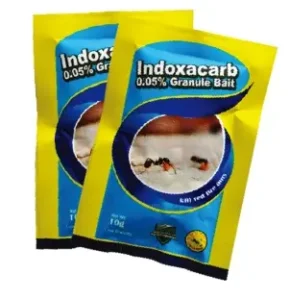
To eradicate populations expressing severe kdr gene mutations, advanced formulations employ voltage-gated sodium channel blockers such as Indoxacarb (0.05% Gel Bait / SC) and oxidative phosphorylation uncouplers such as Chlorfenapyr. Indoxacarb functions as a pro-insecticide bio-activated by insect esterases, circumventing metabolic resistance and yielding complete mortality within 24 to 72 hours.
Microencapsulated Suspensions (CS) shield volatile active ingredients inside polymer walls. When bed bugs traverse treated surfaces, microscopic capsules adhere to their cuticle, releasing active chemicals gradually over 60–90 days. Integrating Insect Growth Regulators (IGRs) like Pyriproxyfen or Hydroprene breaks the reproductive cycle by preventing nymphal ecdysis and rendering adult females sterile.
| Active Ingredient / Active Combo | Formulation Type | Primary Mode of Action | Residual Life | Resistance Risk Level | Recommended Environment |
|---|---|---|---|---|---|
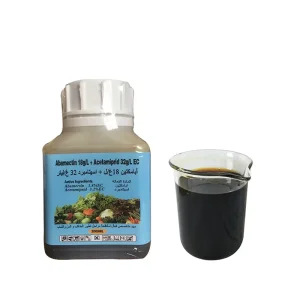
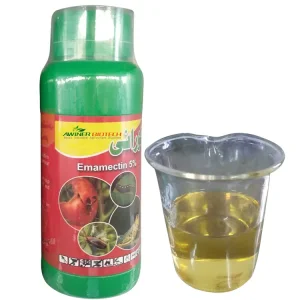
| Acetamiprid + Abamectin | EC (Emulsifiable Concentrate) | nAChR Agonist + Chloride Channel Activator | 4–6 Weeks | Low | Residential, Hospitality, Industrial Storage |
| Beta-Cypermethrin 6% | Gas / Aerosol / SC | Voltage-Gated Sodium Channel Modulator | 2–4 Weeks | Moderate | Enclosed Thermal/Gas Fumigation |
| Indoxacarb 0.05% | Gel Bait / Granular Bait | Sodium Channel Inactivation (Pro-Insecticide) | 8–12 Weeks | Very Low | Food Handling, Crack & Crevice Spot Treatments |
| Lambda-Cyhalothrin 2.5% | CS / SC Liquid | Axonic Membrane Depolarization | 6–8 Weeks | Moderate-High | Perimeter Protection, Public Transit Depots |
| Bifenthrin 10% | SC / EC Solution | Nervous System Axon Disruption | 8–10 Weeks | Moderate | Barrier Sprays, Commercial Warehouses |
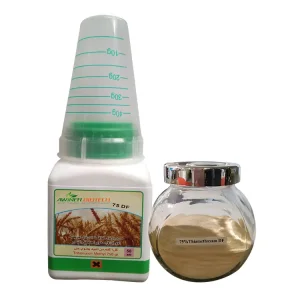
| Thiamethoxam 75% | WG / DF Dispersible Granules | Systemic Neonicotinoid Neurotoxin | 6–8 Weeks | Low | Wide-Area Vector Control, High-Infestation Sites |
China stands as the global epicenter for agrochemical synthesis and public health pesticide manufacturing. Through localized raw material integration, advanced reaction kettles, and automated high-speed packaging lines, Chinese suppliers offer unparalleled economies of scale. Enterprise procurement teams can secure tier-one formulations at factory direct pricing, backed by full quality control metrics.
Commercial contract prices vary based on technical concentration, solvent system selection (water-based SC vs organic solvent EC), and specialized packaging configurations (e.g., 100ml HD-PE bottles up to 200L steel drums). Below is an indicative industry benchmark for bulk commercial procurement:
Leading Chinese manufacturers like Awiner Biotech provide extensive OEM/ODM support designed for regional distributors:
Deploying chemical interventions within holistic structural frameworks across commercial sectors.
Hotels face severe financial and reputational loss from bed bug outbreaks. Recommended IPM protocols require immediate isolation of infested suites, application of dual-action microencapsulated sprays (Lambda-Cyhalothrin CS) in crack and crevice zones, followed by vacuuming, steam treatment above 60°C, and installation of mattress encasements.
Passenger trains, long-distance buses, commercial aircraft, and cargo containers require fast-acting knockdown agents with low human toxicity profiles. Beta-Cypermethrin gas/fumigation units combined with localized spot treatments allow rapid vessel turnarounds without persistent chemical odor.
High-density living environments such as worker dormitories, refugee shelters, and public housing facilities require long-lasting, cost-effective vector management programs. High-concentration water-dispersible granules (Thiamethoxam 75% WDG) provide large-area residual control at optimal cost-per-square-meter metrics.
Successful agrochemical procurement demands absolute adherence to global safety and quality frameworks. Chemical purity directly influences biological efficacy and environmental compliance.
All manufactured formulations comply strictly with FAO/WHO Joint Meeting on Pesticide Specifications (JMPS) standards. Complete dossier support is available for national pesticide registration authorities, including:
Awiner Biotech was founded in 2006, located in the north of China—Shijiazhuang, Hebei Province. The city is strategically positioned close to China's capital, Beijing, ensuring convenient logistics and transport access.
Awiner Biotech is deeply committed to researching, producing, and distributing premium agrochemicals and public health pest control formulations. We specialize in pesticides, insecticides, herbicides, fungicides, plant growth regulators, and structural vector control products.
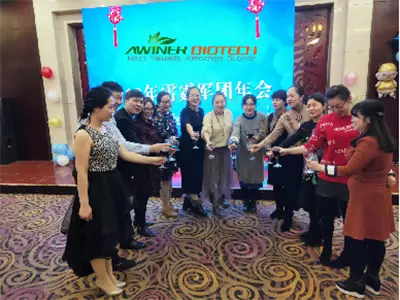 ISO 9001:2015 Certified Manufacturing Facility
Exporting vector control solutions across varying climatic zones and legal jurisdictions requires deep market experience. Awiner Biotech has built an expansive international sales and technical support network that bridges regulatory compliance with local market requirements.
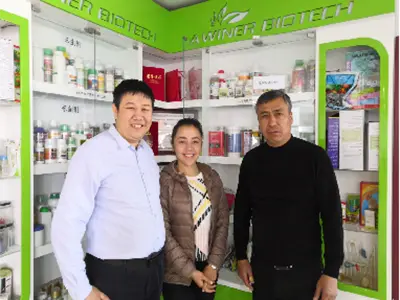
Up to now, we have won trusted customers across the world, establishing strong distribution networks in:
Active Markets: Iraq, Iran, Afghanistan, Pakistan, India, Libya, Syria, Turkey, Yemen, Ukraine, Russia, Kazakhstan, Uzbekistan, Chile, Bolivia, Mexico, Brazil, Paraguay, Nigeria, Djibouti, Rwanda, Somalia, Malaysia, Cambodia, Nepal, Myanmar, and beyond.
We regularly participate in premier international agrochemical and public health pest control exhibitions across key regional hubs, including trade shows in Turkey, Iran, Pakistan, Nigeria, Russia, Cambodia, Malaysia, and Uzbekistan. These exhibitions allow us to connect face-to-face with regional distributors, present our technical breakthroughs, and establish long-term procurement partnerships.
Our technical experts travel directly to our customers' countries to conduct detailed market inspections, analyze regional resistance patterns, and solve application challenges on the ground. We evaluate real-world product usage, assess field performance under varying humidity and temperature conditions, and host visiting international client delegations at our manufacturing base in Hebei.
As physiological resistance to single-site active chemistries continues to develop globally, the vector control industry is transitioning toward intelligent, multi-layered chemical ecosystems.
Utilizing machine learning algorithms to model pesticide-receptor docking dynamics allows chemists to modify molecular side-chains. This speeds up the discovery of active molecules capable of bypassing mutant voltage-gated sodium channels in Cimex lectularius.
Next-generation research focuses on double-stranded RNA (dsRNA) formulations designed to silence essential survival genes in target pests. RNAi offers species-specific mortality without non-target toxicity or residual environmental accumulation.
Advanced microencapsulation technologies now incorporate temperature- and moisture-sensitive polymers. These capsules remain dormant under low-pest activity conditions and accelerate active release when triggered by insect movement, friction, or humidity changes.
Clear answers to crucial procurement, technical, and regulatory questions regarding Chinese bed bug insecticide products.
Explore additional specialized chemical treatments, baits, insecticides, and crop protection formulations available for volume export.
 Awiner Biotech