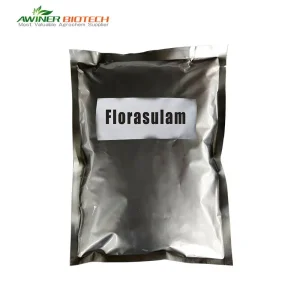
China Florasulam herbicide Quotes, Supplier

Product Description

Florasulam Mode of Action

Chemical & Biological Mechanism

Florasulam herbicide is a triazolopyrimidine sulfon herbicide. It is a typical acetolactate synthase (ALS) inhibitor. By inhibiting acetolactate synthase in plants. Hinders the biosynthesis of side chain amino acids such as valine, leucine, and isoleucine. Cell division is inhibited, the normal growth of weeds is destroyed and the weeds die.

Systemic Conductivity & Efficacy

Florasulam has systemic conductivity. After being absorbed by plant leaves and roots, it is transmitted to the entire weed plant. Accumulate in the meristem and cause plant death. Therefore, the grass is completely killed and there will be no recurrence.
Previous: Oxadiazon pre-emergent
Next: History of glyphosate

Frequently Asked Questions (FAQ)

1. What type of herbicide is Florasulam?
Florasulam herbicide is a triazolopyrimidine sulfon herbicide and acts as a typical acetolactate synthase (ALS) inhibitor.
2. How does Florasulam disrupt weed growth?
It inhibits acetolactate synthase in plants, hindering the biosynthesis of side chain amino acids such as valine, leucine, and isoleucine. This inhibits cell division and kills the weed.
3. How is Florasulam absorbed by plants?
Florasulam has systemic conductivity and is absorbed through both plant leaves and roots before being transmitted throughout the entire weed.
4. Where does Florasulam accumulate in the plant?
After absorption, Florasulam accumulates in the meristem of the plant, disrupting normal growth processes and causing plant death.
5. Will weeds recur after Florasulam application?
No. Because Florasulam is fully transmitted through systemic conductivity and accumulates in the meristem, the grass is completely killed without recurrence.

Related Products