An in-depth analysis of global apple production dynamics, emerging pest infestation vector management, and the financial necessity for high-gain crop protection inputs.
Apple production (Malus domestica) represents one of the most economically vital pome fruit sectors globally, with total worldwide output exceeding 85 million metric tons per annum. Modern commercial apple production is dominated by high-density orchard systems, demanding intensive capital, automated management, and uncompromising crop protection strategies. However, orchard managers worldwide face an escalating battle against destructive insect pests, persistent mite populations, fungal pathogens, and subterranean root-knot nematodes. Without systematic integrated pest management (IPM) protocols supported by reliable agrochemical inputs, yield losses can easily surpass 45% to 80% annually.
The global apple crop protection market is evaluated at over $4.2 billion USD. Rising global temperatures and shifting microclimates have accelerated insect life cycles, expanding the geographical range of vectors such as the Codling Moth (Cydia pomonella), Woolly Apple Aphid (Eriosoma lanigerum), Two-Spotted Spider Mite (Tetranychus urticae), and fungal pathogens including Apple Scab (Venturia inaequalis) and Gray Mold (Botrytis cinerea). Commercial growers are caught between the urgent need for high-efficacy chemical solutions and strict regulatory pressures regarding Maximum Residue Limits (MRLs), pollinator safety, and pesticide resistance development.
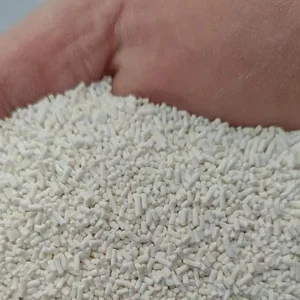
Information Gain Insight: Modern commercial apple buyers do not simply source active chemical ingredients; they demand advanced formulation delivery systems (e.g., Water Dispersible Granules - WDG, and Suspension Concentrates - SC) that enhance leaf rainfastness, optimize tank-mix compatibility, and minimize environmental leaching while maintaining strict compliance with importing nation MRL standards.
Analyzing the structural supply-chain advantages, chemical synthesis clusters, and high-efficiency manufacturing systems located in North China.
China's chemical synthesis industry maintains full vertical integration for primary intermediates (e.g., phosphorus, chlorine, cyano-compounds). This eliminates global supply disruptions and keeps technical grade (TC) chemical costs optimized for downstream bulk formulators.
Modern Chinese factories have transitioned from traditional emulsifiable concentrates (EC) to eco-friendly, low-toxicity formulations such as Soluble Concentrates (SC), Water Dispersible Granules (WDG), and Microemulsions (ME) that comply with strict global safety standards.
Located in Shijiazhuang, Hebei Province, production facilities operate adjacent to major northern export ports like Tianjin/Qingdao. This seamless freight access ensures ultra-fast vessel booking, container consolidation, and rapid export turnaround.
Selecting active ingredients, mechanism of action, targeted pest spectrum, and resistance management (IRAC / FRAC group classification).
Effective management of apple pests requires a scientific combination of targeted active ingredients throughout the crop cycle—from dormant bud break through flowering, fruit set, cell expansion, and pre-harvest intervals. Below is an exhaustive operational matrix detailing core chemistries supplied by leading Chinese manufacturers:
| Active Ingredient | Formulation Types | Target Pests / Diseases | Mechanism of Action & Benefits |
|---|---|---|---|
| Cyprodinil | 50% WDG, 75% WDG | Botrytis cinerea, Apple Scab (Venturia inaequalis) | Inhibits methionine biosynthesis (FRAC 9). Excellent systemicity and cold-weather activity during early blossom stage. |
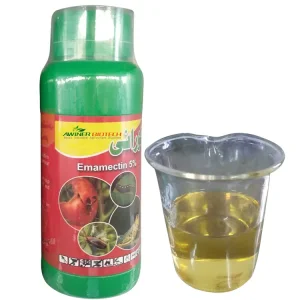
| Emamectin Benzoate | 2% EC, 5% WDG | Codling Moth, Leafminers, Apple Fruit Moth | Activates glutamate-gated chloride channels (IRAC 6). Highly effective against resistant lepidopteran larvae. |
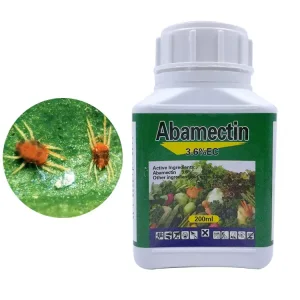
| Abamectin | 1.8% EC, 3.6% EC, 5% EC | Two-Spotted Mite, Red Spider Mite, Rust Mites | Allosteric modulator of glutamate-gated chloride channels. Translaminar action provides long-lasting foliar protection. |
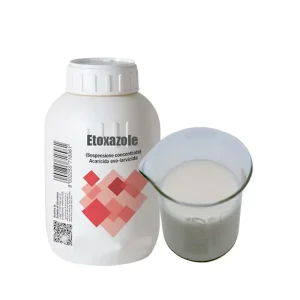
| Etoxazole | 110g/L SC, 20% SC | Mite eggs, Larvae, Nymphs of Tetranychidae | Chitin synthesis inhibitor (IRAC 10B). Eradicates mite eggs and immatures without disrupting beneficial predatory insects. |
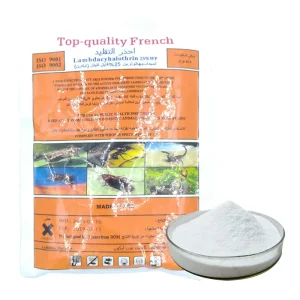
| Lambda-Cyhalothrin | 95% TC, 25% WDG, 5% EC | Aphids, Thrips, Beetles, Caterpillars | Sodium channel modulator (IRAC 3A). Fast knock-down effect combined with strong repellent activity. |
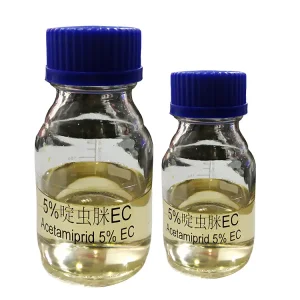
| Acetamiprid | 5% EC, 20% SP, 70% WDG | Rosy Apple Aphid, Woolly Apple Aphid, Whiteflies | Nicotinic acetylcholine receptor agonist (IRAC 4A). Systemic translaminar uptake with high safety for bees when applied post-bloom. |
| Bifenthrin | 10% EC, 100g/L SC | Apple Maggot, Stink Bugs, Curculio, Scale insects | Broad-spectrum synthetic pyrethroid (IRAC 3A) providing tight foliage residual control and soil pest suppression. |
| Bacillus thuringiensis (Bt) | 16000 IU/mg WP, 32000 IU/mg SC | Fruit Tree Caterpillars, Tent Caterpillars | Microbial delta-endotoxin crystal ingestion dissolving gut membranes. 100% organic IPM solution zero chemical residue. |
| Paclobutrazol | 25% SC, 15% WP | Excessive Vegetative Shoot Growth | Gibberellin synthesis inhibitor. Restrains foliage elongation, directing photosynthates toward fruit size and color development. |
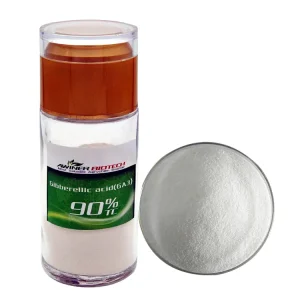
| Gibberellic Acid (GA3) | 90% TC, 4% EC, 10% SP | Fruit Russeting, Poor Fruit Set | Plant hormone that enhances cell division/elongation, improves fruit russet reduction, and aids uniform sizing. |
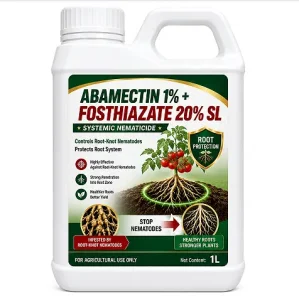
| Abamectin + Fosthiazate | 1% + 20% SL | Root-Knot Nematodes (Meloidogyne spp.) | Dual-action systemic nematicide protecting orchard root zone health and preventing vascular yield decline. |
Commercial apple growers must adapt crop protection chemicals to local seasonal pressures, soil profiles, and regional pest behaviors.
High sunlight exposure combined with targeted drip irrigation creates severe codling moth and spider mite outbreaks. Strategy: Deployment of Emamectin Benzoate 5% WDG rotated with Etoxazole 110g/L SC during mid-summer egg hatch windows. Ensures strict zero-detectable residue levels for fresh export markets.
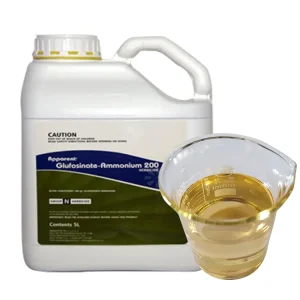
Frequent spring precipitation fosters intense early-season Apple Scab (Venturia inaequalis) and Grey Mold infection during blossom. Strategy: Immediate application of Cyprodinil 75% WDG due to its systemic low-temperature efficacy, paired with Glufosinate Ammonium 20SL for clean orchard floor weed clearing.
Vast commercial orchards in Uzbekistan, Kazakhstan, and Russia require bulk cost-efficient chemical interventions for over-wintering pests. Strategy: Foliar sprays of Lambda Cyhalothrin 25% WDG combined with Paclobutrazol 25% SC to manage dense tree canopies while keeping pest counts suppressed.
Elevated ambient temperatures spark exponential population surges in sucking insects (Woolly Apple Aphids). Strategy: Fast systemic action via Acetamiprid 5EC mixed with Abamectin 3.6% EC to provide dual knockdown and prolonged leaf protection.
How Chinese chemical factories are leveraging AI, biopesticide fermentation, and nanotech to shape the future of pome fruit safety.
Integration of biological strains like Bacillus thuringiensis and natural fermentation products like Spinosad into chemical rotation programs to prevent pesticide resistance and satisfy organic market premiums.
Advanced wet-milling technology reduces active ingredient particle sizes down to sub-micron levels, dramatically improving leaf surface adhesion, coverage uniformity, and rainfastness under intense precipitation.
Development of specialized anti-drifting micro-emulsions designed specifically for aerial UAV spraying systems, reducing water consumption by 90% while achieving thorough orchard canopy coverage.
Founded in 2006, Awiner Biotech is strategically located in Shijiazhuang, Hebei Province, North China—close to China's capital Beijing, with convenient logistics to world-class shipping ports. Awiner Biotech is dedicated to the research, production, synthesis, and global distribution of agrochemicals, specializing in pesticides, herbicides, fungicides, plant growth regulators, and public health formulations.
Global Reach & Overseas Presence: Up to now, we have won trusted long-term commercial partners across more than 30 nations, including Iraq, Iran, Afghanistan, Pakistan, India, Libya, Syria, Turkey, Yemen, Ukraine, Russia, Kazakhstan, Uzbekistan, Chile, Bolivia, Mexico, Brazil, Paraguay, Nigeria, Djibouti, Rwanda, Somalia, Malaysia, Cambodia, Nepal, and Myanmar.
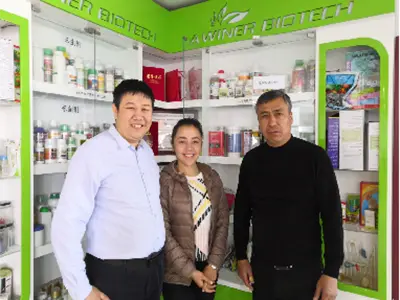
Global Exhibitions & Technical Field Inspections: We regularly participate in agrochemical trade exhibitions in Turkey, Iran, Pakistan, Nigeria, Russia, Cambodia, Malaysia, and Uzbekistan. Furthermore, our senior agronomists conduct on-site overseas market inspections to analyze orchard conditions, optimize product dosage, solve pest resistance issues for growers, and host client delegations at our Chinese manufacturing complexes.
Addressing key procurement, regulatory, custom packaging, and technical inquiries for international chemical buyers.
 Awiner Biotech