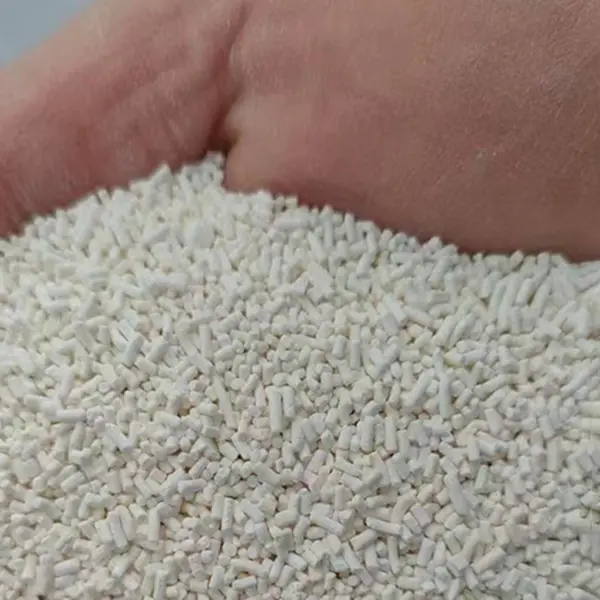
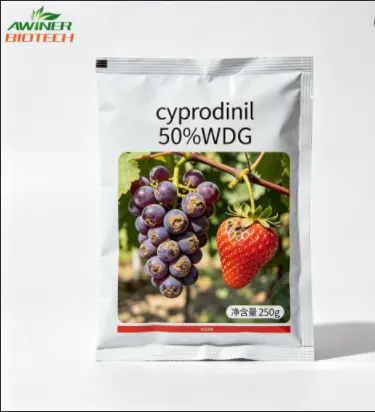
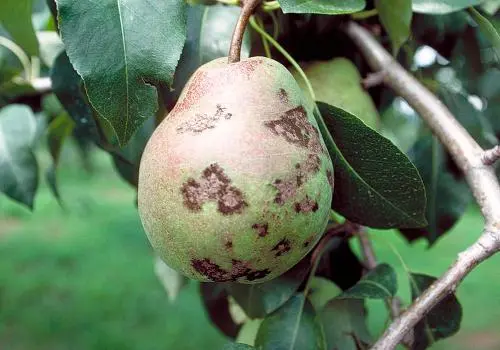
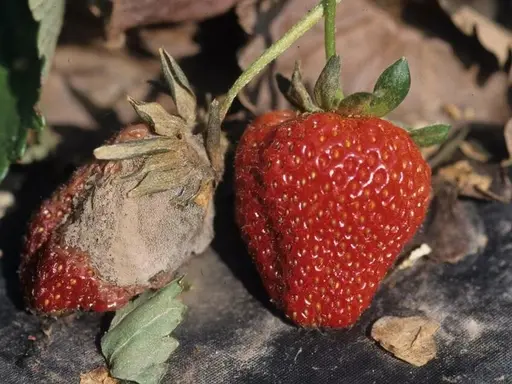
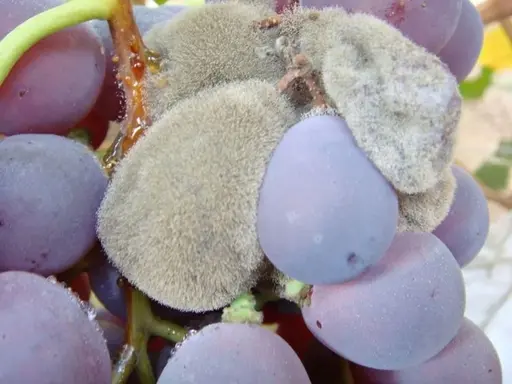
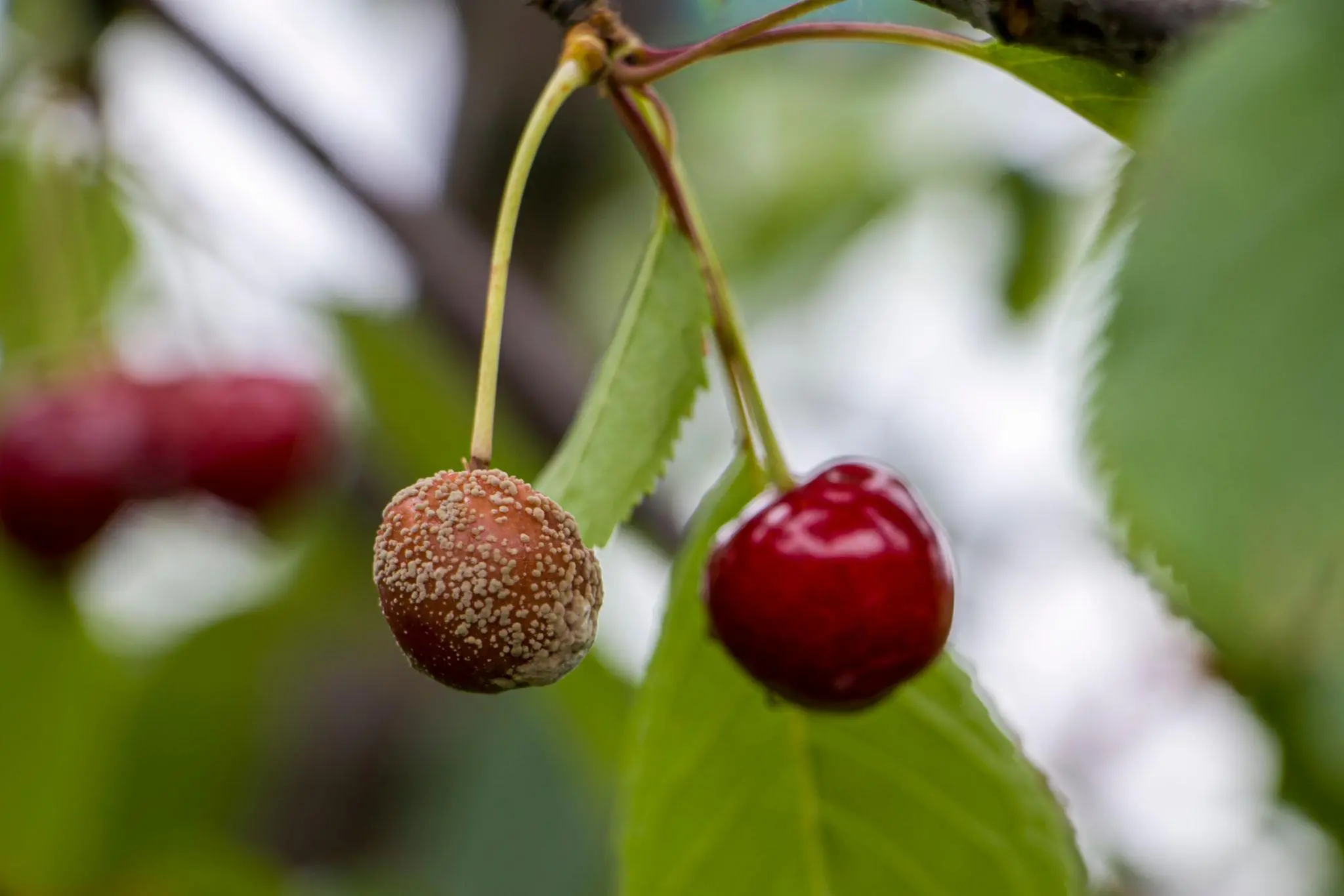
Triggered by cool, moist climate, gray mold (Botrytis cinerea) invades more than 400 crop varieties including grapes, strawberries, tomatoes and greenhouse vegetables across the globe. It destroys blooming flowers, triggers premature fruit drop and generates fuzzy grey rot on ripe produce, cutting field output by 5%-40% once an outbreak occurs. Worse still, its airborne spores keep spreading during transportation and cold storage, leading to extra post-harvest spoilage and billions of USD annual economic losses for global growers and fruit exporters. To effectively combat this destructive disease, more growers are choosing Cyprodinil, a trusted fungicide known for its reliable control of gray mold in high-value crops.
2. Product Introduction
Developed specially targeting gray mold, Cyprodinil fits most high-value cash crops including grape, strawberry, tomato, cucumber, orchard fruits and wheat. After spraying, the active ingredient enters plant tissue naturally. It builds up protection in advance to block germ invasion and repairs early infected parts, realizing double functions of prevention and treatment in one product.
3. Mode of Action
Upon foliar application, cyprodinil permeates crop tissues and suppresses the biosynthetic pathway of pathogenic fungi. Interruption of essential nutrient metabolism inhibits hyphal extension and spore germination of Botrytis cinerea, arresting pathogen colonization and further disease progression in host plants.
4. Disease Control
1
Fruit trees: Apple leaf spot, pear scab, cherry brown rot, grape rachis brown blight;
2
Grains and oils: Wheat eye spot, barley net blotch, rapeseed sclerotinia rot;
Seed coatings: Barley and wheat seed treatment to prevent soil-borne fungal diseases during the seedling stage.
5. Features
1. Powerful Gray Mold Control: Provides excellent control of gray mold (Botrytis cinerea), one of the most destructive diseases affecting grapes, strawberries, tomatoes, berries, and greenhouse vegetables.
2. Protects Crops Before Damage Occurs: Acts early to prevent disease establishment, helping keep flowers, fruits, and young tissues healthy throughout critical growth stages.
3. Reliable Performance in Cool, Humid Weather: Maintains strong disease control under the environmental conditions where gray mold develops most rapidly.
4. Improves Fruit Quality and Market Value: Helps reduce fruit rot, blemishes, and premature fruit drop, resulting in cleaner and more marketable produce.
5. Reduces Post-Harvest Losses: Protects harvested crops from disease development during storage and transportation, extending shelf life and reducing waste.
6. Long Residual Protection: Provides extended disease control, helping growers maintain healthy crops between spray intervals.
7. Suitable for High-Value Crops: Widely used on grapes, strawberries, tomatoes, blueberries, cherries, and many greenhouse vegetables.
6. Outstanding Safety Fits Global Food Trade Standards
Food safety and residue limit rules grow stricter across international markets nowadays. Cyprodinil stands out for mild formula, safe application at blossom and young fruit stage without hurting crop growth. Low residual content on ripe produce helps exporters smoothly pass customs inspection for fruit and vegetable overseas sales.
Frequently Asked Questions (FAQ)
Q1: What crop types benefit most from Cyprodinil application?
Cyprodinil is formulated for high-value cash crops including grapes, strawberries, tomatoes, cucumbers, orchard fruits (apples, pears, cherries), grains (wheat, barley), and various greenhouse vegetables.
Q2: How does Cyprodinil control gray mold (Botrytis cinerea)?
Cyprodinil penetrates plant tissues and suppresses the biosynthetic pathway of pathogenic fungi, interrupting nutrient metabolism and blocking hyphal growth and spore germination to stop disease progression.
Q3: Is Cyprodinil safe to use during sensitive crop growth stages?
Yes, Cyprodinil features a mild formula that can be safely applied during the blossom and young fruit stages without injuring delicate crop tissue or hindering crop growth.
Q4: What diseases does Cyprodinil target besides Gray Mold?
Beyond gray mold, it effectively controls apple leaf spot, pear scab, cherry brown rot, grape rachis brown blight, wheat eye spot, barley net blotch, rapeseed sclerotinia rot, and seedling soil-borne fungal diseases.
Q5: How does Cyprodinil help meet international food export standards?
Cyprodinil leaves low residual levels on ripe produce, complying with strict global maximum residue limits (MRLs) and helping exporters pass customs inspections smoothly.
 Awiner Biotech