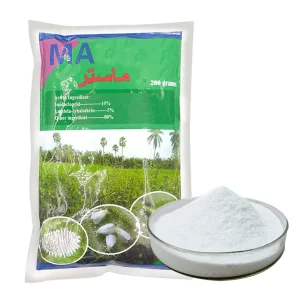
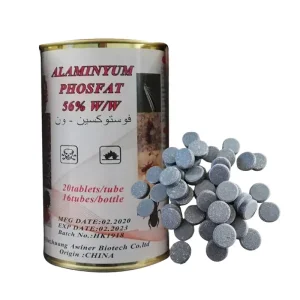
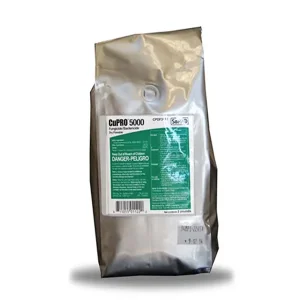
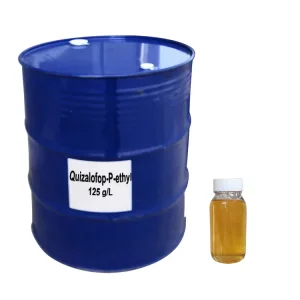
Premium agrochemical formulations designed for resistance management, high bioavailability, and broad-spectrum pest suppression.
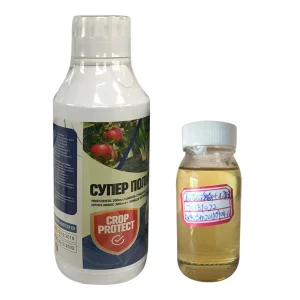
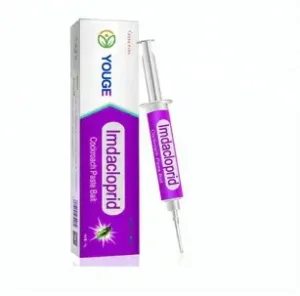
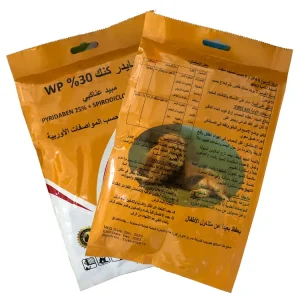
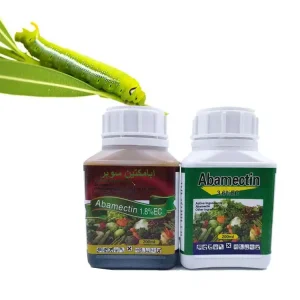
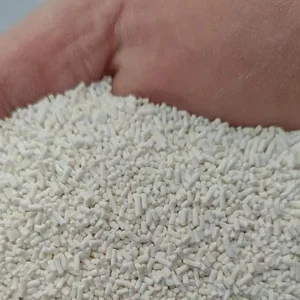
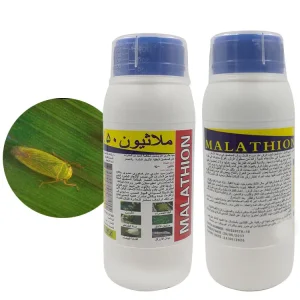
Planthoppers—predominantly belonging to the order Hemiptera and families Delphacidae and Cicadellidae—represent one of the most economically devastating persistent biological threats to cereal crop yield security worldwide. Key pest species including the Brown Planthopper (BPH - Nilaparvata lugens), White-backed Planthopper (WBPH - Sogatella furcifera), and Small Brown Planthopper (SBPH - Laodelphax striatellus) cause widespread crop mortality through direct sap-feeding and vectoring destructive phytopathogenic plant viruses. In severe infestations, feeding damage causes rapid drying and necrosis of tillers, a phenomenon known in agronomy as "hopperburn", which can decimate entire regional paddies within days if left unchecked.
Beyond direct physical feeding, planthoppers act as obligate vectors for systemic viral infections such as Rice Ragged Stunt Virus (RRSV), Rice Grassy Stunt Virus (RGSV), and Maize Rough Dwarf Virus (MRDV). Modern global buyers—ranging from commercial agricultural distributors and state-owned purchasing authorities to enterprise-scale contract farmers—require more than basic chemical supply. Sourcing intent has evolved toward integrated planthopper control ecosystems that deliver high biological efficacy, anti-resistance chemical rotations, low eco-toxicity, and compliance with stringent international Maximum Residue Limits (MRLs).
High systemic and contact toxicity formulations engineered to arrest planthopper stylet penetration within hours of application, minimizing viral transmission windows.
Multi-mechanism active ingredient combinations (e.g., Neonicotinoids + IGRs + Pyridine Azomethines) designed to bypass target-site mutations and metabolic resistance mechanisms.
Advanced Water Dispersible Granule (WDG) and Ultra-Low Volume (ULV) formulations specifically tested for anti-drift, micro-droplet stability, and nozzle compatibility in agricultural UAVs.
The crop protection industry is undergoing a structural paradigm shift. Historical reliance on broad-spectrum organophosphates and carbamates is diminishing rapidly due to secondary pest resurgence, beneficial insect mortality (such as lycosid spiders and mirid bugs), and regulatory phase-outs. Modern planthopper management strategy emphasizes selective target-specific chemistry paired with novel modes of action (MoA) classified under the Insecticide Resistance Action Committee (IRAC) guidelines.
| Chemical Class | Representative Active Ingredients | IRAC Group | Primary Mode of Action | Field Application Target |
|---|---|---|---|---|
| Neonicotinoids | Imidacloprid, Acetamiprid, Dinotefuran, Thiamethoxam | Group 4A | Nicotinic acetylcholine receptor (nAChR) competitive modulators | Nymph & Adult suppression; Seed treatment & Foliar spray |
| Insect Growth Regulators (IGR) | Buprofezin | Group 16 | Chitin biosynthesis inhibitor Type 0; halts nymphal moulting | Nymphal stage control; long-lasting residual activity |
| Pyridine Azomethine Derivatives | Pymetrozine | Group 9B | Chordotonal organ TRPV channel modulators; permanent feeding cessation | Anti-feedant systemic application; IPM & beneficiary friendly |
| Mesoionic Insecticides | Triflumezopyrim | Group 4E | Nicotinic acetylcholine receptor (nAChR) orthosteric blockers | Ultra-low dosage, effective against resistant BPH populations |
| Synthetic Pyrethroids / Combinations | Lambda-Cyhalothrin + Imidacloprid / Profenofos | Group 3A / Group 1B | Voltage-gated sodium channel modulators + Acetylcholinesterase inhibitors | Knockdown of complex co-existing insect complexes |
Information Gain Insights: Chemical resistance in planthoppers is primarily driven by enhanced cytochrome P450 monooxygenase activity, carboxylesterase overexpression, and target-site insensitive mutations (such as the Y151S substitution in nAChR subunits). Sourcing engineered micro-emulsions (ME), suspension concentrates (SC), and water dispersible granules (WDG) allows agricultural enterprise buyers to improve cuticular penetration through insect wax layers while reducing organic solvent usage by up to 60%.
China remains the cornerstone of global agrochemical chemical synthesis and formulation manufacturing, holding over 70% of the world's active ingredient synthesis capacity. Within key chemical clusters such as Shijiazhuang, Hebei Province, the transformation towards Agrochemical Industry 4.0 has established unprecedented supply reliability and cost-competitiveness for international enterprise clients.
The agricultural dynamics of planthopper control vary dramatically across ecological zones. B2B purchasing agents must match specific chemical formulations and concentration levels with regional crop agronomy, climate conditions, and local application machinery:
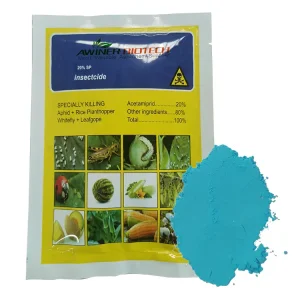
High-density tropical rice cropping in Vietnam, Thailand, Indonesia, and Myanmar requires systemic compounds with rain-fast surfactants (such as Acetamiprid + Imidacloprid WDG) capable of withstanding monsoon downpours.
In Brazil, Chile, and Bolivia, planthoppers and leafhoppers transmit corn stunt spiroplasma. Sourcing high-load systemic EC and SC formulations for large-scale boom spraying is essential for crop protection.
Arid climate farming in regions like Pakistan, Iraq, and Uzbekistan demands thermal-stable granules and WP formulations resistant to high-temperature degradation during extended storage and transport.
Established leader in research, synthesis, global distribution, and custom formulation of specialized crop protection chemicals.
Founded in 2006, located in Shijiazhuang, Hebei Province, northern China. Capital city proximity ensures seamless international transport and rapid operational response.
Committed to research, production, and distribution of insecticides, herbicides, fungicides, plant growth regulators, and public health pesticides optimized for B2B distributors.
Serving clients in Iraq, Iran, Afghanistan, Pakistan, India, Libya, Syria, Turkey, Yemen, Ukraine, Russia, Kazakhstan, Uzbekistan, Chile, Bolivia, Mexico, Brazil, Paraguay, Nigeria, Djibouti, Rwanda, Somalia, Malaysia, Cambodia, Nepal, Myanmar, and beyond.
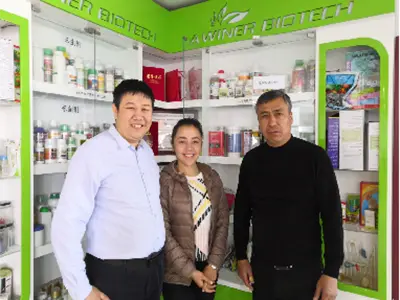
To deliver exceptional enterprise value, Awiner Biotech actively participates in international agrochemical exhibitions across Turkey, Iran, Pakistan, Nigeria, Russia, Cambodia, Malaysia, Uzbekistan, and other regional hubs.
Our dedicated technical teams regularly conduct onsite overseas market surveys. We visit client fields, analyze pest resistance challenges under real climate conditions, optimize tailored chemical tank-mixes, and solve localized application issues firsthand.
Expert responses regarding planthopper control procurement, registration support, chemical formulation, and quality assurance.
Broad-spectrum herbicides, systemic fungicides, public health baits, and soil insecticides engineered for enterprise crop management.
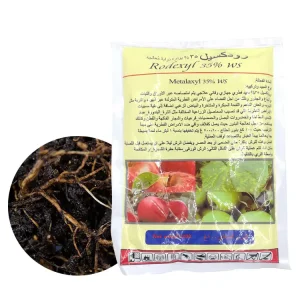
 Awiner Biotech