High-grade crop protection, bio-pesticides, and harvest-aid management solutions optimized for global field operations.
Understanding the physiological cascade, biochemical triggers, and mechanical harvesting prerequisites for premium seed cotton yield.
Mechanical cotton harvesting has fundamentally redefined global agricultural productivity. However, the efficiency of spindle pickers and strippers is directly governed by the efficacy of pre-harvest defoliation programs. As a premier China pre harvest defoliation cotton supplier & manufacturer, we synthesize state-of-the-art biological knowledge with high-precision formulation technology to optimize leaf drop, accelerate green boll opening, and protect raw cotton fiber quality.
Pre-harvest defoliants trigger precise biochemical cascades by inhibiting polar auxin transport toward the petiole base. This shifts the ethylene-to-auxin ratio, upregulating cellulase and pectinase production to form a distinct hydrolytic abscission layer without leaf desiccation.
Combining Thidiazuron (TDZ) with Ethephon promotes rapid, uniform boll opening by stimulating natural ethylene biosynthesis. Accelerating carpel wall dehydration ensures concentrated harvest windows and maximizes first-pick yield percentages.
Incomplete defoliation leaves green foliage attached during spindle extraction, causing leaf staining, elevated trash content, and fiber degradation. Advanced formulations guarantee non-drip green leaf removal, maintaining High Volume Instrument (HVI) fiber grades.
Transitioning from traditional broadcast sprays to ultra-low-volume precision ag formulations and eco-compliant actives.
Unmanned Aerial Vehicle (UAV) application demands specialized formulation physics. Standard EC and WP products experience droplet evaporation, drift, and poor canopy penetration at 10-15 L/ha spray volumes. Next-generation defoliants incorporate specialized anti-evaporation surfactants and narrow-spectrum droplet size modifiers to achieve deep canopy coverage in high-density cotton stands.
Traditional Thidiazuron activity degrades rapidly when average daily temperatures drop below 18°C. Our ongoing synthetic research focuses on bio-engineered synergists and modified TDZ/Ethephon ratios that maintain enzymatic abscission activity down to 12°C, protecting late-maturing cotton crops in northern latitudes.
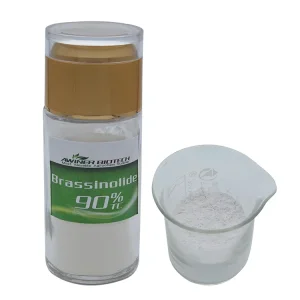
Aligning with global green chemistry imperatives, future roadmaps prioritize zero-residue, eco-friendly plant growth regulators (PGRs). Integrating biochemical precursors like Brassinolide formulations enhances systemic translocation, enabling reduced synthetic chemical dosages per hectare without sacrificing leaf-drop performance.
Controlled-release capsule suspensions (CS) represent the pinnacle of harvest-aid delivery. Micro-encapsulated Ethephon releases ethylene continuously in response to atmospheric humidity and solar radiation, preventing premature boll drop while accelerating uniform boll dehiscence across variable canopy depths.
Leveraging Hebei’s chemical cluster infrastructure to deliver reliable, high-volume chemical synthesis and formulation.
Located in the heart of China’s chemical manufacturing hub in Shijiazhuang, Hebei Province, our production facilities utilize fully automated batching, synthesis, and filling technology. As a fully certified manufacturer and exporter, we maintain absolute quality control across raw Technical Concentrates (TC) and finished formulations (SC, EC, WDG, WP, SL).
Direct integration with basic chemical synthesis facilities ensures steady supplies of critical raw intermediates, protecting international clients from supply chain disruptions and seasonal price spikes during peak harvest preparation windows.
Every product batch undergoes High-Performance Liquid Chromatography (HPLC) and gas chromatography testing to guarantee exact active ingredient concentrations, zero cross-contamination, and strict compliance with FAO standard specifications.
From 100mL bottles designed for precise small-holder mixing to 200L bulk industrial drums and customized multi-layer aluminum barrier bags, our automated lines provide robust, export-ready packaging solutions.
Empowering agricultural importers, sovereign distributors, and commercial farming enterprises worldwide.
Navigating global pesticide registration demands rigorous dossier support. We provide our global partners with full technical documentation packages including ICAMA certificates, Certificate of Analysis (CoA), FAO-compliant technical data sheets, toxicology reports, and field trial analytical data.
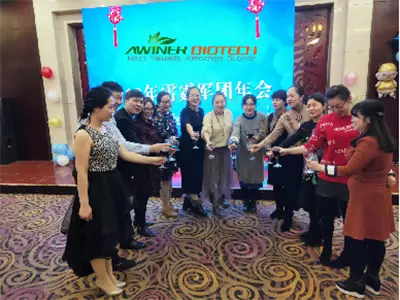
Up to now, we have established long-term commercial partnerships with client networks across:
Iraq, Iran, Afghanistan, Pakistan, India, Libya, Syria, Turkey, Yemen, Ukraine, Russia, Kazakhstan, Uzbekistan, Chile, Bolivia, Mexico, Brazil, Paraguay, Nigeria, Djibouti, Rwanda, Somalia, Malaysia, Cambodia, Nepal, Myanmar, and beyond.
Our localized agronomic support teams perform detailed market field surveys, participating in major international pesticide and agrochemical exhibitions across Turkey, Iran, Pakistan, Nigeria, Russia, Cambodia, Malaysia, and Uzbekistan.
Awiner Biotech was founded in 2006, located in the north of China - Shijiazhuang, Hebei Province. The city is close to our capital Beijing, with convenient transportation networks connecting directly to major sea ports like Tianjin.
Awiner Biotech is committed to research, production, and global distribution of advanced agrochemicals. We specialize in comprehensive crop protection portfolios comprising premium pesticides, herbicides, fungicides, plant growth regulators, and public health formulations.
We work directly alongside global growers to analyze specific micro-climates, solve resistant pest issues, and provide customized tank-mix recommendations for optimal harvest outcomes.
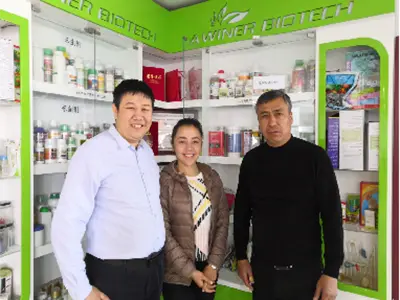
Complete agrochemical management programs from pre-planting weed eradication to post-harvest storage protection.
Technical solutions and expert recommendations for cotton growers, agronomists, and international procurement managers.
 Awiner Biotech