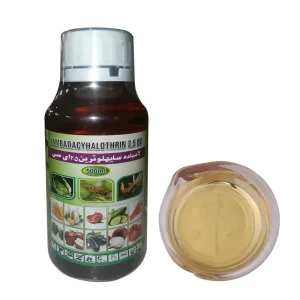
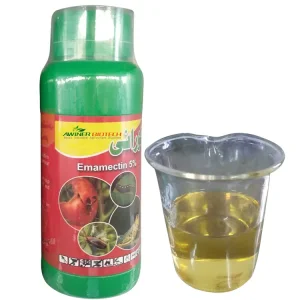
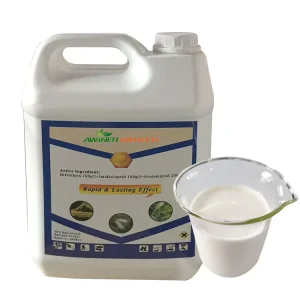
Explore enterprise-grade insecticides, biological pesticides, plant growth regulators, and crop protection formulations directly from top China manufacturing hubs.
Analyzing macroeconomic vectors, pest management regulatory shifts, and technical synthesis advancements shaping international agricultural security.
Rapid urbanization, intensifying commercial logistics networks, and climate-driven pest migration have escalated global rodent infestation risks. Industrial facilities, grain storage operations, and agricultural megaprojects require highly specialized, anti-anticoagulant resistant chemical strategies to mitigate biosecurity breaches.
Regulatory frameworks such as EU Biocidal Products Regulation (BPR) and EPA directives are pushing for eco-compatible, target-specific baiting and pest suppression technologies. Modern chemical synthesis focuses on reducing non-target toxicity, biological biomagnification, and environmental persistence while maximizing mortality efficiency.
First-generation rodenticides face widespread genetic resistance across North America, Europe, and Asia. Leading chemical manufacturing clusters in China are responding by developing advanced combination formulations, novel active ingredients, and microencapsulated delivery systems that bypass physiological defense mechanisms.
Integrating botanical biopesticides, second-generation anticoagulants (SGARs), and systemic insect/rodent vector controllers into integrated pest management (IPM) systems represents the single most viable strategy for global procurement directors seeking high ROI and environmental compliance.
Why global pest control distributors, agricultural operators, and chemical wholesalers source active ingredients and end-user formulations from Chinese production ecosystems.
| Evaluation Vector | Chinese Manufacturing Cluster | Global Baseline Standard | Strategic Value Proposition |
|---|---|---|---|
| Upstream Raw Material Integration | Complete chemical synthesis supply chain (Phosphorus, Fluorine, Intermediates) | Fragmented component sourcing across multiple countries | Reduces production lead time by 40-60% while stabilizing unit cost fluctuations. |
| Formulation Capabilities | Advanced SC, WDG, WP, EC, SP, Microencapsulation & Bait Extrusion | Standard dry/liquid packaging with external technical processing | Allows custom particle sizing, enhanced shelf stability, and target-specific field efficacy. |
| Scale Efficiency & Automation | Fully automated high-tonnage reactors with AI-assisted continuous synthesis | Semi-automated batch processing units | Guarantees batch-to-batch chemical purity stability exceeding 98% TC standards. |
| Export & Packaging Agility | Customized B2B labeling, multilingual compliance packaging, UN-certified drums | Rigid standardized packaging options | Fulfills specific destination port regulations (FAO, WHO, EU-BPR standards). |
China rodent control factories leverage high-efficiency extrusion technology to manufacture weatherproof, moisture-resistant bait blocks, granules, and concentrate powders. Modern additives ensure maximum palatability for rodent pest targets while incorporating bittering agents (Denatonium Benzoate) to prevent accidental non-target ingestion.
Key production zones located near industrial sea ports (Tianjin, Qingdao, Shanghai, Ningbo) enable streamlined dangerous goods (DG) logistics management. Optimized shipping routes and localized hazardous container storage minimize transit delays for global clients.
Demonstrating verified manufacturing experience, scientific rigor, and worldwide agricultural partnership coverage.
Awiner Biotech was founded in 2006, located in north of China-Shijiazhuang, Hebei Province. The city is close to our capital Beijing, transportation is convenient. Awiner Biotech is committed to research, produce and distribute agrochemicals, mainly deal with pesticides, herbicides, fungicides, plant growth regulator and public health pesticides.
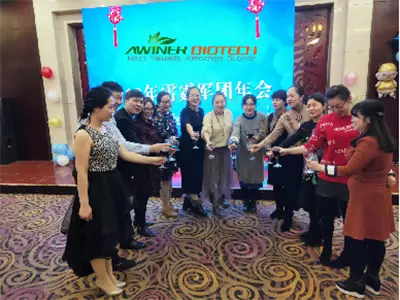
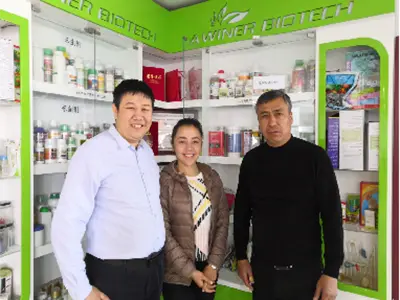
Up to now, we have won customers from Iraq, Iran, Afghanistan, Pakistan, India, Libya, Syria, Turkey, Yemen, Ukraine, Russia, Kazakhstan, Uzbekistan, Chile, Bolivia, Mexico, Brazil, Paraguay, Nigeria, Djibouti, Rwanda, Somalia, Malaysia, Cambodia, Nepal, Myanmar and so on.
Global Exhibitions: Our countries participating in the exhibition are Turkey, Iran, Pakistan, Nigeria, Russia, Cambodia, Malaysia, Uzbekistan, etc.
Customer Market Survey: We go to the customer's country to conduct market inspections, analyze and solve problems for them, understand their product usage, and customers will also visit us regularly for batch technical audits.
Tailoring pest management solutions to precise environmental and operational parameters across diverse industrial domains.
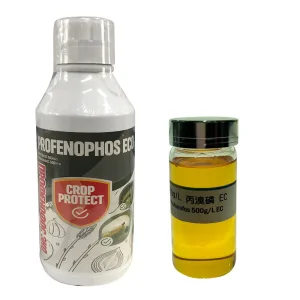
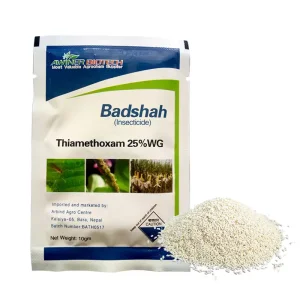
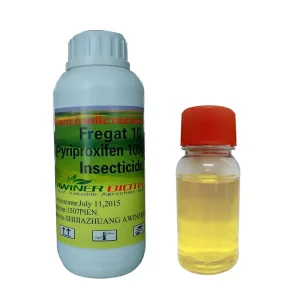
Protection of rice paddies, grain crops, cotton plantations, and fruit orchards from rodent burrowing and insect pest infestations. Deployment includes systematic perimeter baiting, soil drenching, and crop canopy treatments using active insecticides such as Thiamethoxam, Profenofos, and Pyriproxyfen.
Eliminating severe secondary pest risks in bulk grain silos, distribution centers, and port storage facilities. Employs pulse-baiting strategies alongside targeted space sprays (e.g., Lambda-cyhalothrin, Permethrin) to maintain strict sanitation compliance and zero contamination standards.
Urban municipal programs targeting fly, mosquito, cockroach, and rodent vector suppression in high-density regions. Utilizing biological larvicides (Bacillus thuringiensis kurstaki) and selective adulticides to suppress vector-borne disease transmission.
Next-generation chemical formulations, smart delivery technology, and sustainable eco-pesticide innovations.
Microencapsulation technology protects active molecules from premature degradation caused by UV radiation, rainfall, and thermal exposure. This enhances residual activity in field applications by up to 300%, lowering total application frequency.
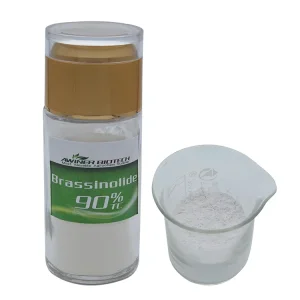
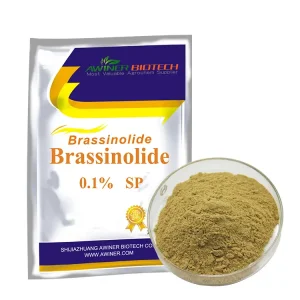
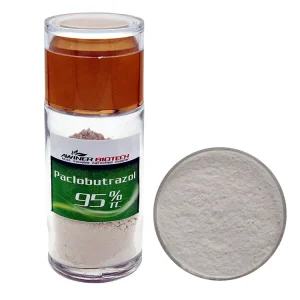
Shifting from broad-spectrum organophosphates to targeted biological agents like Bacillus thuringiensis strains and plant growth regulators (e.g., Natural Brassinolide, Paclobutrazol) ensures high specificity against destructive pests while protecting beneficial insects and non-target mammals.
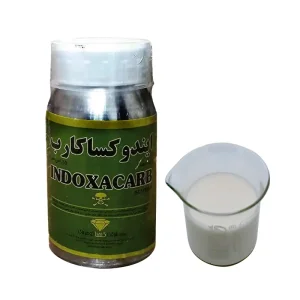
Combating severe multi-drug pest resistance via multi-mode active matrices (e.g., combining Indoxacarb + Emamectin Benzoate or Azoxystrobin + Difenoconazole). Dual and triple-mode MOAs ensure complete knock-down and resistance suppression.
Frequently asked questions by international buyers, agricultural chemical importers, and procurement directors regarding sourcing from China rodent control factories.
Browse our complete range of high-efficacy chemical solutions, plant growth regulators, and systemic insecticides engineered for international distributors.
 Awiner Biotech