In the global agrochemical and vector control industries, Alpha-Cypermethrin (CAS No. 67375-30-8) stands as a cornerstone synthetic pyrethroid insecticide. Engineered through selective crystallization of cypermethrin isomers, Alpha-Cypermethrin consists predominantly of two enantiomeric pairs: (1R cis)S and (1S cis)R stereoisomers. This refined molecular alignment endows the active ingredient with significantly higher biological activity at substantially lower application rates compared to racemic cypermethrin.
For commercial importers, global distributors, institutional buyers, and large-scale agricultural operations, procuring wholesale Alpha-Cypermethrin directly from qualified factories and primary manufacturers offers pivotal economic and operational advantages. Beyond simple cost reduction, direct factory sourcing delivers strict purity control, batch-to-batch consistency, customizable technical formulations (SC, EC, WP, WDG, CS), and full regulatory dossier support essential for regional registration.
Alpha-Cypermethrin operates primarily as a potent neurotoxin targeting the central and peripheral nervous systems of insects. Understanding its biochemical mechanism provides commercial buyers with the insight needed to integrate this active ingredient into comprehensive Integrated Pest Management (IPM) programs.
Alpha-Cypermethrin binds to the voltage-gated sodium channels along the nerve axon. By preventing the closure of these channels, it induces prolonged repetitive nerve impulses, leading to rapid depolarization, paralysis, and ultimate mortality of target pests.
Exhibiting immediate contact and stomach poison action, Alpha-Cypermethrin delivers an exceptional "knockdown" effect within minutes of exposure. Furthermore, its tactile repellency prevents pests from feeding on treated crops or entering vector-protected zones.
The strong lipophilic character of the molecule enables rapid penetration into the plant cuticle. This rainfastness ensures that once dried, the active ingredient resists wash-off from rain or overhead irrigation, maximizing chemical durability.
| Physicochemical Parameter | Alpha-Cypermethrin Technical (97% TC) | Standard Cypermethrin (92% TC) | B2B Operational Impact |
|---|---|---|---|
| Active Isomers | 2 cis-isomers (Highest potency) | 8 mixed isomers (cis/trans) | 3x higher bio-efficiency per gram |
| Typical Active Dose (a.i./ha) | 10 - 20 g a.i./ha | 30 - 60 g a.i./ha | Reduced freight weight & lower unit cost |
| Melting Point | 78°C – 81°C | 60°C – 80°C (viscous liquid/semi-solid) | Greater stability in high-temp storage |
| Mammalian Toxicity Profile | WHO Class II (Moderately Hazardous) | WHO Class II | Standard PPE requirements for field labor |
Alpha-Cypermethrin serves dual imperatives across both economic agriculture and global public health. As a manufacturer-direct wholesale commodity, its application matrices span multi-billion-dollar global industries.
Deployed across broadacre row crops (soybeans, cotton, corn, wheat) and high-value horticultural crops (citrus, top fruit, vegetables). It controls chewing, piercing, and sucking pests such as Lepidoptera (caterpillars, bollworms), Coleoptera (beetles), and Hemiptera (bugs, aphids).
Recommended by the World Health Organization (WHO) for indoor residual spraying (IRS) and long-lasting insecticidal nets (LLINs). Highly effective in eradicating disease vectors including Anopheles mosquitoes (Malaria), Aedes aegypti (Dengue/Zika), and triatomine bugs (Chagas disease).
Utilized in animal health management via pour-on formulations, sprays, and dip tanks to combat ectoparasites. It eradicates ticks, flies, lice, and mites on cattle, sheep, and poultry, reducing stress and preventing vector-transmitted animal pathogens.
Integrated into professional pest control operator (PCO) portfolios for structural barrier treatments against termites, cockroaches, ants, and stored-product insects in commercial warehouses, grain silos, and residential complexes.
Applied in commercial timber plantations (eucalyptus, pine, teak) and oil palm estates to prevent devastating defoliation caused by bagworms, snout beetles, and pine caterpillars, safeguarding long-term timber yields.
Formulated into specialized dusts or liquid protectants applied directly to stored grain stocks or warehouse empty spaces to prevent infestation by grain borers (Prostephanus truncatus) and weevils (Sitophilus spp.).
Modern commercial buyers require tailored formulation technologies suited to distinct climatic conditions, application equipment, and eco-toxicological guidelines. Manufacturing facilities offer specialized downstream processing capabilities:
Water-based formulations (e.g., Alpha-Cypermethrin 100g/L SC, 50g/L SC). Non-flammable, solvent-free, minimal odor, and low phytotoxicity. Preferred for indoor structural spraying and sensitive crops where organic solvent damage must be avoided.
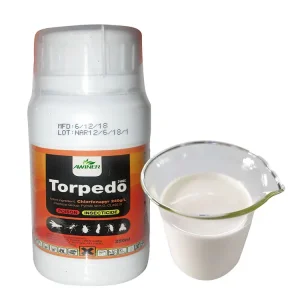
Solvent-based systems (e.g., Alpha-Cypermethrin 10% EC, 5% EC). Delivers rapid cuticular penetration and immediate knockdown. Formulated with high-flashpoint aromatic solvents and optimized emulsifier packages to prevent crystallization during dilution.
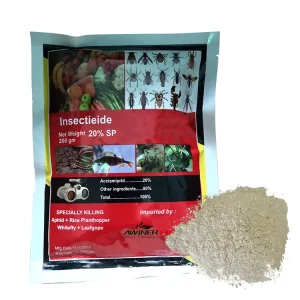
Solid formulations (e.g., 10% WP, 5% Water Dispersible Granules). Highly stable in extreme storage conditions across tropical regions. WDG offers dust-free handling, rapid disintegration, and excellent suspension parameters in spray tanks.
To address global regulatory shifts toward reduced environmental loading and resistance management, manufacturing pipelines are executing advanced development strategies:
Polymeric membrane microencapsulation controls the release rate of Alpha-Cypermethrin. This extends residual protection on porous masonry surfaces up to 6 months while drastically reducing mammalian dermal toxicity and user exposure risks.
Replacing petroleum distillate solvents in EC formulations with methyl esters of vegetable oils (biodiesel solvents). This yields eco-friendly EC lines with reduced VOC footprints and zero phytotoxic burn on delicate foliage.
Importing agrochemicals into sovereign markets requires rigid adherence to national regulatory frameworks. Factory-direct procurement equips importers with robust analytical documentation and compliance assurances required by Ministries of Agriculture and Environmental Protection Agencies worldwide.
Full Good Laboratory Practice (GLP) data packages including 5-batch analysis, acute toxicology studies, ecotox profiles, and environmental fate data to expedite regional registration.
Formulations manufactured strictly within the analytical tolerance limits defined by FAO/WHO specifications. Active content, suspensibility, wet sieve tests, and acidity/alkalinity are rigorously tested per CIPAC methods.
Flexible bulk and retail packaging options: from 200L UN-certified steel drums and 1000L IBC totes down to 1L HDPE bottles, fluorinated bottles, and customized soluble foil pouches with multilingual localized labeling.
Complete lot traceability from technical synthesis through liquid formulation, filling, and palletization. Certificate of Analysis (COA) and Safety Data Sheets (SDS in 20+ languages) provided with every shipment.
To maximize field biological performance while managing resistance risks, Alpha-Cypermethrin must be deployed according to localized agronomic parameters.
| Target Region | Primary Sector / Crop | Target Pests | Recommended Dosage & Protocol |
|---|---|---|---|
| Latin America (Brazil, Paraguay, Bolivia) | Soybean & Corn Broadacre | Spodoptera frugiperda (Fall Armyworm), Anticarsia gemmatalis | 100g/L SC at 150–200 ml/ha. Tank-mixed with insect growth regulators (IGRs) for ovicidal/larvicidal synergy. |
| Sub-Saharan Africa (Nigeria, Rwanda, Somalia) | Public Health & Cocoa Plantations | Anopheles Mosquitoes, Mirids (Capsids) | IRS: 10% WP at 20-30 mg a.i./m² on structural walls. Cocoa: 5% EC at 250 ml/ha for mirid control. |
| Eastern Europe & Central Asia (Russia, Uzbekistan) | Cereals (Wheat, Barley) & Cotton | Eurygaster integriceps (Sunn Pest), Cotton Bollworm | 10% EC at 100–150 ml/ha applied at early nymphal emergence to prevent grain damage. |
| South & Southeast Asia (Pakistan, India, Myanmar) | Rice, Cotton & Vegetables | Helicoverpa armigera, Yellow Stem Borer, Leafhoppers | 50g/L SC at 300–400 ml/ha. Rotate with non-pyrethroid chemistries (Chlorfenapyr, Abamectin) every 14 days. |
| Middle East (Iraq, Iran, Syria, Turkey) | Orchards, Citrus & Greenhouse Crops | Aphids, Thrips, Whiteflies, Codling Moth | 100g/L SC at 10–15 ml/100L water. Foliar coverage spray applied at egg hatch or early instar appearance. |
Alpha-Cypermethrin belongs to the IRAC (Insecticide Resistance Action Committee) Group 3A class. Continuous uninterrupted application leads to selection pressure for target-site mutations (kdr - knockdown resistance) or metabolic detoxification (cytochrome P450 monooxygenases). To sustain field efficacy:
Founded in 2006, Awiner Biotech is headquartered in Shijiazhuang, Hebei Province, situated in Northern China in close proximity to Beijing. Capitalizing on superior transport infrastructure, raw material access, and advanced chemical synthesis complexes, Awiner Biotech has evolved into a premier manufacturer and international exporter of high-grade agrochemicals and public health pesticides.
With sustained dedication to international quality standards, Awiner Biotech has established a robust distribution network serving clients across:
Iraq, Iran, Afghanistan, Pakistan, India, Libya, Syria, Turkey, Yemen, Ukraine, Russia, Kazakhstan, Uzbekistan, Chile, Bolivia, Mexico, Brazil, Paraguay, Nigeria, Djibouti, Rwanda, Somalia, Malaysia, Cambodia, Nepal, Myanmar, and beyond.
Awiner Biotech actively participates in leading global chemical and agricultural trade summits worldwide to connect with local industrial partners. Key exhibition footprints include annual presence in Turkey, Iran, Pakistan, Nigeria, Russia, Cambodia, Malaysia, and Uzbekistan.
Believing that technical success requires ground-level understanding, Awiner’s agronomists and technical sales teams conduct on-site market inspections within customer countries. We analyze field efficacy, address localized pest resistance challenges, and refine formulation parameters to optimize end-user performance.
Direct responses to primary inquiries raised by global procurement officers, chemical importers, and agronomists.
 Awiner Biotech