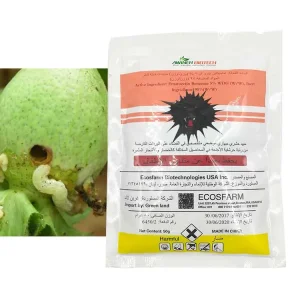
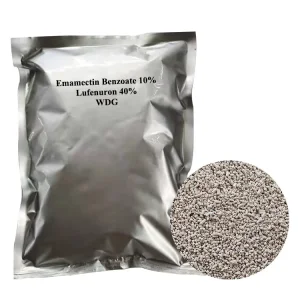
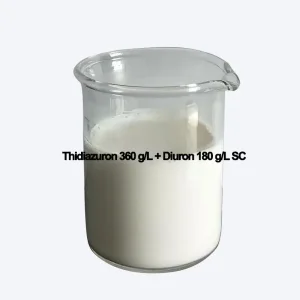
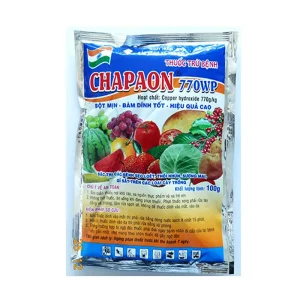
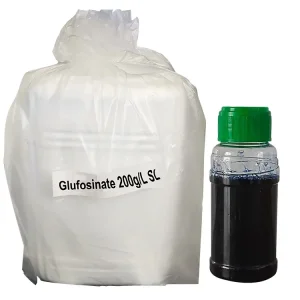
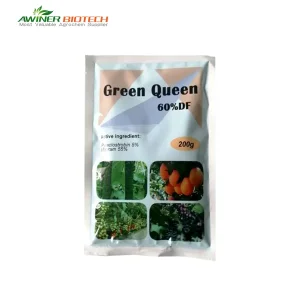
Explore our top-grade registered chemical formulations tailored for systematic rotational spray programs in commercial vegetable production.
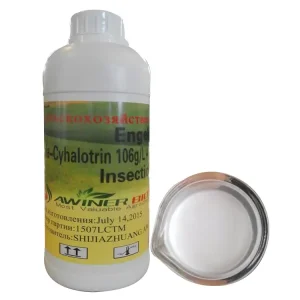
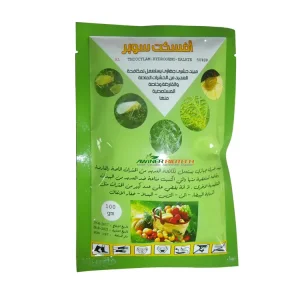

Modern commercial vegetable production faces an unprecedented challenge: the rapid escalation of pest resistance to conventional chemical control agents. Continuous reliance on single-site chemical classes accelerates target-site mutations, metabolic detoxification mechanism upregulation, and behavioral avoidance among high-risk pest vectors such as Plutella xylostella (Diamondback Moth), Bemisia tabaci (Whitefly), Frankliniella occidentalis (Western Flower Thrips), and Spodoptera frugiperda (Fall Armyworm). Implementing a scientifically validated insecticide rotation program based on the Insecticide Resistance Action Committee (IRAC) Mode of Action (MoA) classification is not merely an agronomic recommendation; it is an essential commercial strategy to protect crop yield, lower operational input costs, and ensure compliance with strict international Maximum Residue Limits (MRLs).
When agricultural enterprises purchase wholesale active ingredients and finished formulations, understanding the physiological window of exposure and chemical diversification is critical. Rotational strategies interrupt selection pressure by ensuring that successive generations of target insect populations are never exposed to compounds sharing the same neurological, metabolic, or growth-inhibiting target sites. Awiner Biotech’s strategic manufacturing framework emphasizes the production of pure active technical materials and customized pre-mixes designed specifically for multi-stage rotation matrices.
Effective IRM requires rotating active ingredients across discrete "treatment windows" that correspond to the lifecycle duration of the targeted pest. A treatment window typically spans 30 days, during which only insecticides from a single IRAC group should be applied. Subsequent generations must be targeted with non-cross-resistant IRAC groups to suppress resistant homozygous alleles within the local pest gene pool.
A comprehensive guide for commercial buyers, agronomists, and distributors on selecting non-cross-resistant agrochemical classes.
To construct a resilient rotational protocol, vegetable growers must alternate active ingredients across diverse physiological targets: nerve and muscle action, growth and development regulation, respiration, and midgut microbial disruption. Below is the primary rotational matrix developed for brassica, solanaceous, and cucurbit cropping systems.
| IRAC Group | Chemical Class | Key Active Ingredients | Target Physiological Site | Primary Target Pests |
|---|---|---|---|---|
| Group 4A | Neonicotinoids | Thiamethoxam, Imidacloprid, Acetamiprid | Nicotinic acetylcholine receptor (nAChR) competitive modulators | Aphids, Whiteflies, Leafhoppers, Thrips |
| Group 6 | Avermectins & Milbemycins | Emamectin Benzoate, Abamectin | Glutamate-gated chloride channel (GluCl) allosteric modulators | Lepidopteran Larvae, Spider Mites, Leafminers |
| Group 3A | Pyrethroids | Lambda-cyhalothrin, Bifenthrin, Deltamethrin | Sodium channel modulators | Beetles, Flea Beetles, Caterpillars, Bug Complex |
| Group 15 | Benzoylureas (IGRs) | Lufenuron, Chlorfluazuron | Inhibitors of chitin biosynthesis, type 0 | Lepidoptera Larvae, Egg Hatch Suppression |
| Group 14 | Nereistoxin Analogues | Thiocyclam, Cartap Hydrochloride | Nicotinic acetylcholine receptor (nAChR) channel blockers | Armyworms, Diamondback Moth, Leaf Beetles |
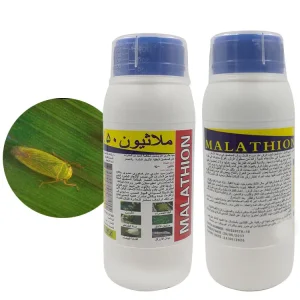
| Group 1B | Organophosphates | Malathion, Chlorpyrifos (Restricted Use) | Acetylcholinesterase (AChE) inhibitors | Broad spectrum chewing and sucking insects |
Integrating co-formulated active ingredients—such as Lambda-cyhalothrin + Thiamethoxam SC or Acetamiprid + Abamectin EC—provides dual modes of action in a single application. This dual-action approach delivers rapid knockdown alongside systemic residual control, significantly reducing the probability of target-site mutation survival when implemented inside structured rotational schedules.
Customized crop protection schedules tailored to regional pest pressures, temperature variables, and greenhouse vs. open-field farming environments.
In high-temperature, low-humidity environments such as Iraq, Saudi Arabia, and Egypt, thrips and whiteflies experience rapid reproduction cycles. High UV index levels accelerate chemical breakdown on foliar surfaces.
Recommended Protocol: Utilize micro-encapsulated or high-stability SC/WDG formulations like Imidacloprid 35% SC combined with specialized organosilicone adjuvants. Follow up with Emamectin Benzoate 5% WDG during early morning application windows to maximize foliar absorption before peak thermal inversion.
In regions such as Brazil, Vietnam, and Malaysia, high humidity accelerates fungal spore proliferation alongside chewing insect pressures, creating complex multi-pathogen complexes.
Recommended Protocol: Tank-mix systemic insecticides with tank-compatible fungicides such as Copper Hydroxide 77% WP or Pyraclostrobin + Difenoconazole WDG. Alternate between Thiocyclam for caterpillar knockdown and Acetamiprid + Abamectin EC for leafminer and mite suppression.
Protected greenhouse environments in Southern Europe, Central Asia, and North America demand ultra-low phytotoxicity, low-odor, and zero-clogging formulations for automated fogging or micro-drip systems.
Recommended Protocol: Deploy high-purity suspension concentrates like Lambda-cyhalothrin + Thiamethoxam SC and insect growth regulators like Lufenuron WDG to prevent egg hatching without damaging delicate greenhouse crops.
Why international agrochemical brands, large-scale farming enterprises, and regional distributors partner with Awiner Biotech for OEM/ODM contract chemical manufacturing.
Located in Shijiazhuang, Hebei Province—China’s premier agrochemical production hub near Beijing—Awiner Biotech leverages deep vertical integration. From basic active technical (TC) material sourcing to advanced formulation synthesis, our facilities minimize production friction and cost volatility.
Operating adjacent to major northern maritime ports (Tianjin/Qingdao) and interconnected rail corridors to Eurasia, Awiner Biotech guarantees streamlined global transport workflows during critical seasonal demand spikes.
"Uninterrupted supply chains are essential for crop protection. A single missed application window can cause severe crop damage. Our bulk synthesis and stock holding protocols guarantee fast production turnarounds and containerized shipments."
By controlling active ingredient purity and particle micronization, our formulations offer exceptional water dispersion, zero nozzle clogging, and extended tank-mix compatibility.
Navigating global agrochemical regulations requires robust technical documentation, analytical data, and strict adherence to Maximum Residue Limits (MRLs). International importers must ensure that imported crop protection chemicals comply with local Ministries of Agriculture and environmental safety guidelines.
We supply comprehensive registration dossiers including Certificate of Analysis (COA), Material Safety Data Sheets (MSDS), ICAMA documentation, toxicity reports, and field trial efficacy data to support swift local product approvals.
Our technical team advises on pre-harvest intervals (PHI) and re-entry intervals (REI), helping commercial export farms meet EU, Codex Alimentarius, and US EPA chemical residue limits.
We advocate for targeted spray application methods and low-toxicity co-formulants that safeguard non-target organisms, beneficial insects (such as Apis mellifera), and soil microbiota.
Investing in next-generation micro-encapsulation, nano-emulsions, and bio-enhanced chemical formulations for efficient sustainable agriculture.
Polymeric membrane microencapsulation protects volatile active ingredients from solar degradation, delivering controlled-release profiles that extend residual efficacy while reducing total active chemical load per hectare.
Reducing droplet particle sizes to the sub-micron scale dramatically improves cuticle penetration and systemic translocation within plant tissue, increasing rainfastness and biological activity against stubborn target pests.
Integrating biological control agents (such as Bacillus thuringiensis or botanical extracts) into chemical rotation schedules to minimize chemical selection pressure and support long-term IPM programs.
Explore our broader catalogue of plant growth regulators, broad-spectrum fungicides, and targeted herbicides for comprehensive crop management.
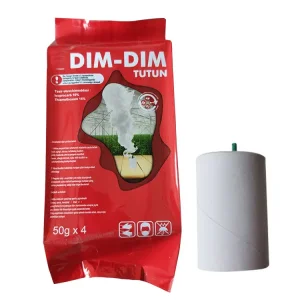
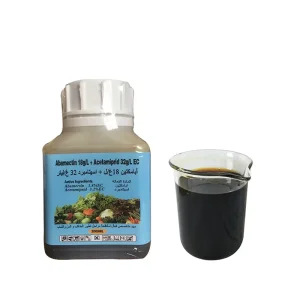
Delivering advanced crop protection solutions to over 30 countries worldwide through continuous innovation and field-tested expertise.
Founded in 2006, Awiner Biotech is located in Shijiazhuang, Hebei Province, in northern China. Situated close to Beijing, our location offers excellent transportation connectivity to major international shipping routes. Awiner Biotech is committed to researching, manufacturing, and distributing high-performance agrochemicals worldwide. We specialize in comprehensive lines of pesticides, herbicides, fungicides, plant growth regulators, and public health pest control solutions.
Through continuous investment in formulation technology, strict quality assurance standards, and custom OEM manufacturing, we help global partners optimize crop yields while proactively managing insecticide resistance.
We believe that effective crop protection requires direct field engagement. Our agronomic specialists conduct on-site market surveys across target regions, evaluating real-world application performance, analyzing crop pest dynamics, and co-developing optimized rotational schedules directly with local agronomists and distributors.
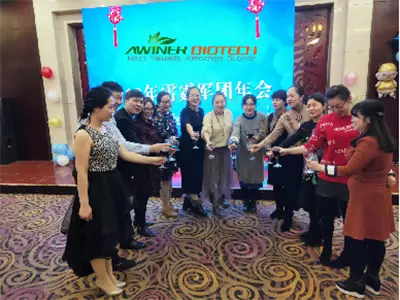
Figure 1: Global Market Distribution Network and Regional Field Stations.
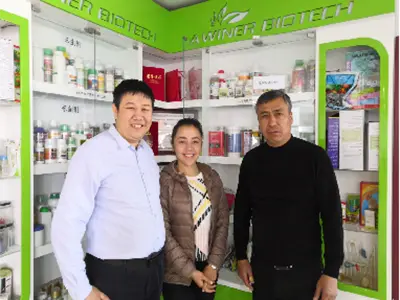
Figure 2: International Agrochemical Exhibitions (Turkey, Russia, Nigeria, Uzbekistan).
Expert responses to critical agronomic, chemical compatibility, and bulk procurement inquiries.
Rotating by brand or trade name often leads to unintentional re-application of the same active chemical class under a different commercial label. Insects develop resistance to specific physiological modes of action (MoA), not brand names. By referencing the standardized IRAC group code (e.g., alternating Group 4A Neonicotinoids with Group 6 Avermectins or Group 15 IGRs), growers ensure true target-site diversification, disrupting selection pressure across pest generations.
A rotational window should correspond to the typical lifecycle duration of the primary target pest species, typically 30 days under ambient conditions. During this window, one or two applications of a single IRAC group may be deployed. The subsequent 30-day window must strictly utilize active ingredients from a completely different, non-cross-resistant IRAC classification group to target any surviving progeny.
Combination formulations integrate two distinct modes of action—such as a fast-acting contact pyrethroid (Lambda-cyhalothrin, IRAC 3A) and a systemic, long-residual neonicotinoid (Thiamethoxam, IRAC 4A). This combination provides immediate knock-down of adult pests alongside extended systemic protection against piercing-sucking insects, expanding treatment efficacy while reducing spray application frequency.
Awiner Biotech implements strict ISO 9001 quality management across all production lines. Raw active technical materials undergo HPLC and GC purity testing prior to processing. Finished formulations undergo thermal degradation, emulsion stability, suspensability, and particle size distribution testing to ensure reliable shelf life and field performance across variable storage environments.
Yes. Tank-mixing an IGR like Lufenuron (IRAC Group 15) with a fast-acting adulticide (such as Emamectin Benzoate, IRAC Group 6) offers an effective dual-action strategy during severe pest outbreaks. The adulticide eliminates feeding adult populations, while the IGR disrupts chitin synthesis in larvae and suppresses egg viability, breaking the pest reproduction cycle.
We offer full-service OEM and ODM contract manufacturing, including specialized formulation concentration adjustments, custom bottle and sachet design, multilingual label printing, and regional regulatory registration assistance. Package sizes range from 10ml/10g retail sachets up to 200L industrial drums.
 Awiner Biotech