High-Purity Active Ingredients & Commercial Formulations Directly Sourced from ISO-Certified Plant Facilities
Macroeconomic trends, pest pressure shifts, and market size valuations shaping cotton crop protection procurement globally.
Cotton (Gossypium hirsutum L.) stands as one of the most chemically intensive broadacre cash crops on the planet, representing over $15 Billion USD in global agrochemical market value. Because cotton yields are highly vulnerable to over 30 major species of destructive pests, complex weed ecosystems, and devastating fungal pathogens, global producers rely heavily on structured, multi-tier chemical protection strategies. Wholesale procurement managers, enterprise farm operators, and agricultural distributors must navigate complex supply chains, volatile raw material technical chemical prices, and tight regulatory frameworks to maintain operational margins.
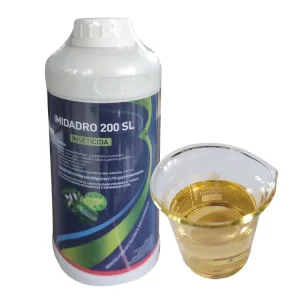
The manufacturing ecosystem for cotton agrochemicals has shifted toward concentrated technical synthesis hubs, primarily in Northern China and regional chemical industrial zones. Key active ingredients such as Pendimethalin 330g/L EC, Abamectin 1.8%/3.6% EC, and neonicotinoids like Imidacloprid 20% SL experience fluctuating factory-gate pricelists tied directly to upstream petrochemical intermediates, phosphorous trichloride, and strict environmental compliance audits. B2B purchasers must track factory capacity, seasonality, and shipping container routes to lock in optimal seasonal pricing.
Strategic application schedules, target spectrums, and factory-direct formulation specifications.
Achieving maximum lint quality and high boll weight requires phase-specific interventions. From pre-plant soil sterilants to late-season defoliation and boll opening growth regulators, integrated chemical management suppresses biological stress while optimizing plant architecture.
| Growth Stage | Target Pests / Weeds / Pathogens | Active Ingredient & Formulation | Mode of Action (IRAC/HRAC) | Commercial Application Rate |
|---|---|---|---|---|
| Pre-Plant / Pre-Emergence | Annual grasses, broadleaf weeds (Amaranthus, Chenopodium) | Pendimethalin 330g/L EC / Dicamba Compounds | HRAC Group 3 (Microtubule assembly inhibition) | 1.5 – 2.5 L/ha pre-emergence soil spray |
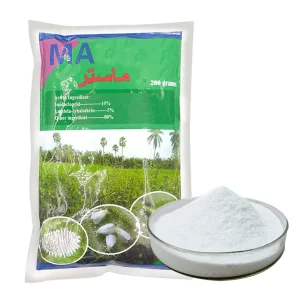
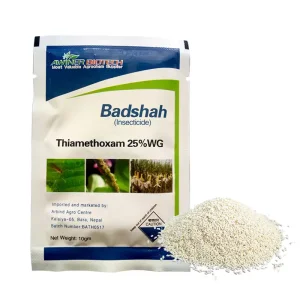
| Vegetative & Early Leafing | Cotton Aphids (Aphis gossypii), Whiteflies, Thrips | Imidacloprid 15% + Lambda-cyhalothrin 5% WP / Thiamethoxam 25% WDG | IRAC 4A (Nicotinic acetylcholine receptor modulator) + 3A | 150 – 250 g/ha foliar spray |
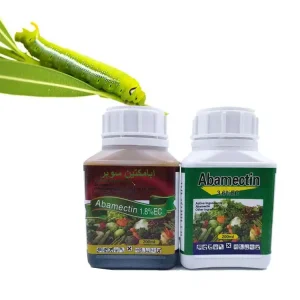
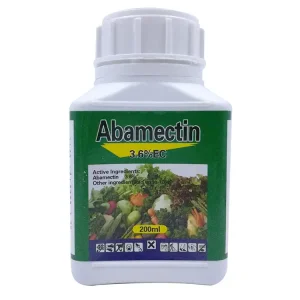
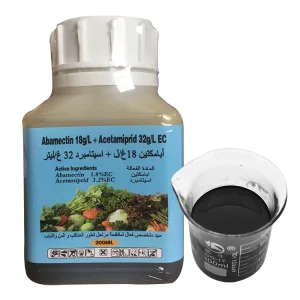
| Squaring & Flowering | Cotton Bollworm (Helicoverpa armigera), Spider Mites | Abamectin 3.6% EC / Bifenthrin 5% SC / Acetamiprid + Abamectin | IRAC 6 (Glutamate-gated chloride channel allosteric modulators) | 300 – 500 mL/ha targeted high-pressure spray |
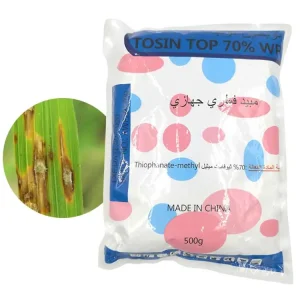
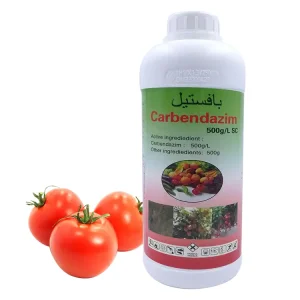
| Boll Development & Maturity | Verticillium Wilt, Fusarium Wilt, Leaf Spot | Thiophanate-Methyl 70% WP / Carbendazim 50% SC | FRAC Group 1 (beta-tubulin assembly in mitosis) | 600 – 800 g/ha canopy spray |
| Harvest Preparation | Vegetative dormancy, uniform boll opening, plant growth control | Gibberellic Acid GA4+7 Tablets / Defoliant Growth Regulators | Plant Growth Regulator (PGR) Cell elongation | Precision tablet dissolution per application standard |
Dinitroaniline chemistry such as Pendimethalin 330g/L EC forms a yellow vapor barrier in early soil strata, inhibiting root cell division during seedling germination. This eliminates early season weed competition without damaging nascent taproots.
Combining systemic neonicotinoids with quick-knockdown synthetic pyrethroids (e.g. Imidacloprid 15% + Lambda-cyhalothrin 5% or Acetamiprid 32g/L + Abamectin 18g/L EC) delivers dual-mode pest paralysis, preventing target resistance in whiteflies and bollworms.
Broad-spectrum benzimidazoles like Carbendazim 50% SC and Thiophanate-Methyl 70% WP translocate acropetally through xylem tissue to combat soil-borne vascular wilts and seedling rot during wet humid vegetative cycles.
Tailoring chemical active ratios to regional soil conditions, weather patterns, and specific insect biological variants.
Characterized by heavy pest pressures from pink bollworm (Pectinophora gossypiella) and severe cotton leaf curl virus (CLCuV) vectors. High demand centers on robust systemic foliar treatments such as Thiamethoxam 75% WDG and high-potency Fipronil 0.05% Bait/Granules combined with fast-acting pyrethroids like Bifenthrin 5% SC to combat resistant sucking pest populations during monsoon seasons.
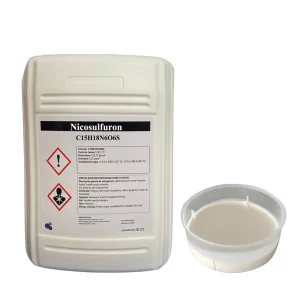
Large-scale irrigated cotton basins demand pre-plant weed control with Pendimethalin 330g/L EC and selective post-emergence broadleaf applications (Dicamba / Nicosulfuron blends). Arid summer microclimates elevate spider mite risks, making bio-insecticides like Abamectin 1.8g/L EC indispensable for canopy preservation prior to mechanized harvesting.
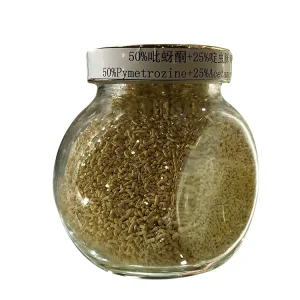
Extensive multi-crop farming systems encounter year-round pest pressure. Farmers rely heavily on macro chemical programs including tank mixes of Carbendazim 40% SC for preventative anthracnose and leaf spot control, alongside chemical rotations of Pymetrozine 50% + Acetamiprid 25% WDG to prevent sucking pest resurgence.
Smallholder and medium commercial co-ops require cost-effective, multi-target tank mixes. High emphasis is placed on broad-spectrum powders and stable liquid emulsions such as Imidacloprid 20% SL and public health vector controls to protect rural agricultural communities and maximize cash crop lint yields.
Transitioning from high-dose EC formulations to nano-emulsions, smart-release microcapsules, and drone-ready low-volume concentrates.
Modern agricultural drones operate at ultra-low volume (ULV) spray rates (10–25 L/ha). Traditional emulsifiable concentrates often cause drift or nozzle clogging. Modern factory lines are re-engineering formulations into sub-micron Suspension Concentrates (SC) and micro-encapsulated Suspension Concentrates (CS) to maximize droplet adhesion on cotton foliage.
Regulatory shifts away from aromatic organic solvents (xylene/toluene) have accelerated the commercial shift toward Water-Dispersible Granules (Thiamethoxam 75% WDG, Pymetrozine 50%+Acetamiprid 25% WDG). These dry granular formulations eliminate VOC emissions, enhance shelf stability, and reduce global freight container tariffs per active kilogram.
Machine learning predictive modeling allows commercial growers to track chemical rotation cycles. By alternating IRAC pesticide classes (e.g., swapping IRAC 4A Neonicotinoids with IRAC 6 Avermectins and IRAC 3A Pyrethroids), growers avoid targeted enzyme degradation in generational bollworm strains.
Global Manufacturing Excellence, Rigorous QA/QC Chemical Analysis, and International Agrochemical Export Operations.
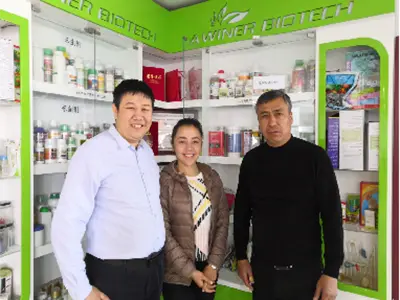
Awiner Biotech was founded in 2006, located in north of China—Shijiazhuang, Hebei Province. The city is close to our capital Beijing, where transportation is highly convenient for international trade and logistics.
Awiner Biotech is committed to research, produce, and distribute agrochemicals, mainly dealing with pesticides, herbicides, fungicides, plant growth regulators, and public health pesticides.
Our quality control labs leverage modern High-Performance Liquid Chromatography (HPLC), Gas Chromatography (GC), and wet-chemical testing protocols to ensure active ingredient concentration tolerance stays strictly within FAO & WHO specs.
Up to now, we have won customers across world agricultural markets including: Iraq, Iran, Afghanistan, Pakistan, India, Libya, Syria, Turkey, Yemen, Ukraine, Russia, Kazakhstan, Uzbekistan, Chile, Bolivia, Mexico, Brazil, Paraguay, Nigeria, Djibouti, Rwanda, Somalia, Malaysia, Cambodia, Nepal, Myanmar, and so on.
Our countries participating in international agriculture and pesticide trade exhibitions include Turkey, Iran, Pakistan, Nigeria, Russia, Cambodia, Malaysia, Uzbekistan, and more.
We go directly to customer countries to conduct market inspections, analyze and solve specific agronomic problems for local growers, monitor actual product performance, and host customer delegations at our factory facilities.
Commercial terms, custom packaging flexibility, and bulk supply chain economics for institutional buyers.
Determining the total cost of ownership for wholesale chemical procurement requires evaluating parameters beyond factory price per liter or kilogram. Factory direct quotes depend on active ingredient concentration, solvent purity, surfactant package selection, and outer bottle/drum barrier specs.
Standard Minimum Order Quantities (MOQ) for liquid technical formulations (Pendimethalin EC, Abamectin EC, Imidacloprid SL) start at 1,000 Liters, while dry technical powders/WDG (Thiophanate-Methyl WP, Thiamethoxam WDG) typically begin at 500 Kilograms. Tiered discount brackets apply at full container load (20ft FCL) volumes.
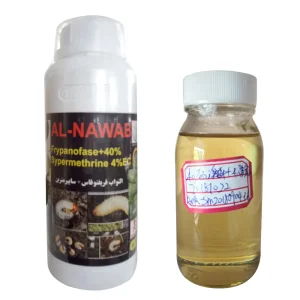
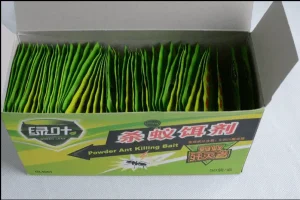
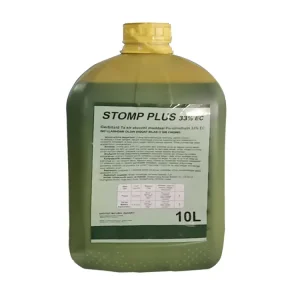
We provide full turn-key private labeling (OEM) and custom bottle molding. Available retail options include 100mL to 1L HDPE/COEX fluoride bottles for liquid formulations, multi-layer aluminum foil pouches (10g to 1kg) for soluble powders, and 200L steel drums for commercial blending plants.
Importing agrochemicals requires strict compliance with destination ministry of agriculture guidelines. Awiner Biotech supports regional distributors by providing complete ICAMA registration documentation, FAO technical compliance data, Certificate of Analysis (COA), MSDS, and GLP laboratory reports.
Expert responses regarding cotton chemical procurement, active application protocols, and export logistics.
Pendimethalin 330g/L EC remains the industry benchmark for pre-emergence weed control in cotton. Applied immediately post-seeding before seedling emergence, it forms a protective chemical layer in topsoil that prevents annual grass weeds and key broadleaf weeds from germinating.
We formulate all liquid agrochemicals using high-grade emulsifiers and anti-freezing agents capable of withstanding thermal ranges from -10°C to 50°C. Furthermore, we utilize heavy-duty fluorinated HDPE bottles, aluminum composite sealings, and reinforced export cartons to prevent leakage or container degradation over long sea voyages.
Combining systemic Imidacloprid (nicotinic acetylcholine receptor agonist) with broad-spectrum Lambda-cyhalothrin (pyrethroid sodium channel modulator) creates a dual-action synergistic effect. It provides instant knockdown of fast-moving insects while systemic movement protects newly developing vegetative shoots over 14–21 days.
Gibberellic Acid GA4+7 acts as a powerful plant growth regulator. In cotton and vegetable production, controlled micro-doses promote cell division, break seed/bud dormancy, enhance early seedling vigor under stress, and balance vegetative growth relative to boll load.
Yes. Awiner Biotech operates modular formulating lines capable of adjusting active ingredient loading (e.g., Abamectin 1.8% vs 3.6% EC, Thiophanate-Methyl 35% vs 70% WP) and custom blending adjuvant packages to meet local market preferences or regulatory maximum residue limits (MRLs).
Direct Factory Sourcing Portfolio & Specialty Crop Protection Formulations
 Awiner Biotech