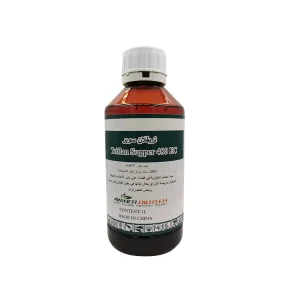
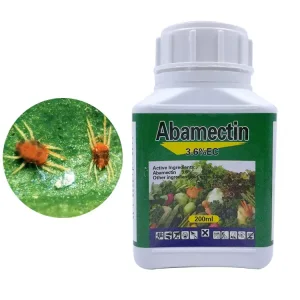
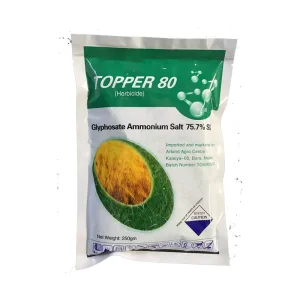
High-purity chemical formulations engineered for cotton pest control, foliage desiccation, and yield quality enhancement.
Understanding the physiological and agrochemical vectors determining fiber maturity, lint cleanliness, and market pricing in global B2B trade.
Cotton (Gossypium hirsutum L.) remains the cornerstone of the global natural textile economy. However, modern high-speed industrial spinning frames demand strict quality thresholds for raw cotton lint. Cotton lint quality is not merely a byproduct of genetic selection; it is heavily dictated by physiological maturation management, pest burden control, weed pressure mitigation, and synchronous defoliation. High-volume instrument (HVI) grading standards prioritize parameters such as Upper Half Mean Length (UHML), Micronaire (air permeability index of fiber fineness and maturity), Fiber Strength (g/tex), Uniformity Index, and Trash/Color Grade.
In the global B2B supply chain, failing to control late-season sucking insects (e.g., Aphis gossypii, Bemisia tabaci) leads to "sticky cotton"—a disastrous condition caused by honeydew deposition that fouls ginning and spinning machinery. Similarly, poor weed management introduces excessive leaf trash and discoloration into lint bolls during mechanical or hand harvesting. Therefore, wholesale agrochemical strategic solutions—ranging from plant growth regulators (PGRs) like 6-BA and GA3 to targeted insecticides like Bifenthrin, Lambda-Cyhalothrin, Dinotefuran, and Imidacloprid—play an irreplaceable role in preserving raw lint quality and establishing factory pricing premiums.
Strategic Insight: Integrated Agrochemical Management (IAM) directly influences cotton lint valuation. By synchronizing leaf drop with uniform boll opening, manufacturers reduce trash content by up to 40% while preventing lint discoloration caused by late-season fungal pathogens and sap-sucking pests.
Detailed biochemical pathways and product application dynamics targeting maximum lint strength and trash reduction.
The application of synthetic cytokinins such as 6-Benzylaminopurine (6-BA) and Gibberellic Acid (GA3) during early reproductive stages regulates carbohydrate partitioning toward developing bolls. 6-BA reduces boll abscission during drought or heat stress, maximizing lint density per node. Meanwhile, precise GA3 dosing enhances cell elongation in early lint fiber differentiation, directly improving fiber length (UHML).
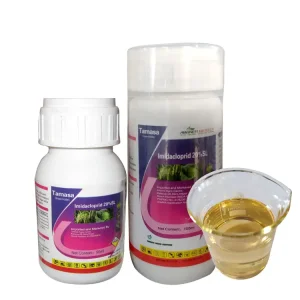
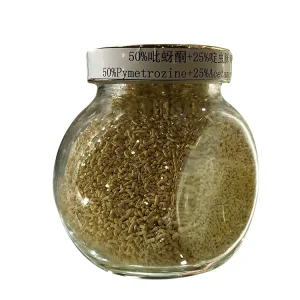
Aphids and Whiteflies excrete sugar-rich honeydew onto open bolls, leading to black soot mold and fiber sticking. Broad-spectrum and systemic pest management using Bifenthrin 97% TC, Imidacloprid 20% SL, and specialized combinations like Dinotefuran 10% + Imidacloprid 20% WP or Pymetrozine + Acetamiprid WDG guarantee systemic knock-down and residual control of sap-sucking insects prior to boll opening.
Fungal rot degrades cellulose chains within cotton bolls. Advanced broad-spectrum fungicides such as Fluopyram 41.7% SC and Mancozeb 64% + Metalaxyl 4% WP prevent boll rot pathogens under humid pre-harvest conditions. Concurrently, pre-emergent herbicides like Trifluralin and post-emergent defoliant boosters like Glufosinate-ammonium 20% SL eliminate weed foliage that contaminates lint during harvest.
Analyzing active ingredient concentration, packaging economics, and direct ROI for cotton lint producers.
When evaluating wholesale pricelists for cotton quality improvement inputs, bulk agricultural buyers must consider key metrics including **Active Ingredient (TC vs. Formulated SC/EC/WDG)**, formulation stability, solvent purity, and freight packaging density. Raw Technical Material (TC) yields lower unit costs for local formulators, while high-efficiency ready-to-use (RTU) formulations reduce labor costs in large-scale mechanized farming.
| Active Ingredient / Product Name | Formulation Type | Target Quality Impact in Cotton | Wholesale Pricing Tier ($/KG or L) | Key Factory Standard |
|---|---|---|---|---|
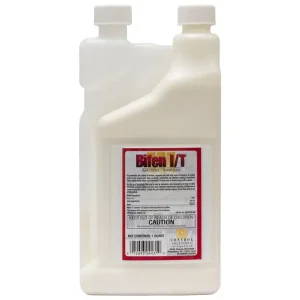
| Bifenthrin | 97% TC / 40% SC / 25% EC | Bollworm & mite eradication; preserves lint white color grade. | Factory Direct Bulk / Contract Quotes | ISO 9001, HPLC Purity ≥97% |
| Gibberellic Acid (GA3) | 90% TC / 20% SP | Fiber elongation and early boll set expansion. | Tiered Volume Wholesale | Bio-fermentation Grade |
| Dinotefuran + Imidacloprid | 10% + 20% WP | Prevents whitefly honeydew deposition (Sticky Lint elimination). | Competitive Commercial Tier | Ultra-fine Wettable Powder |
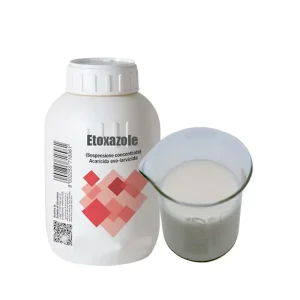
| Etoxazole | Specialized Acaricide (SC) | Controls spider mites; prevents premature leaf drop and boll degradation. | Mid-Tier Technical Bulk | High Suspension Rate |
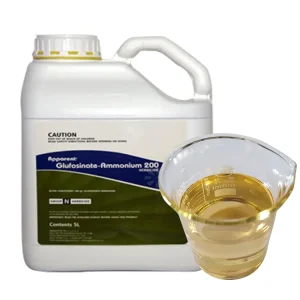
| Glufosinate-ammonium | 20% SL | Post-emergent weed suppression & leaf desiccation prior to mechanical picking. | High-Volume Ag-Chem Pricing | Zero-residual Soluble Liquid |
| Cyromazine | 2% WDG | Pest growth regulation in trash-prone field edges. | Export Standard Wholesale | Dust-free Granule formulation |
ROI Benchmark: Investing approximately $12–$18 per hectare in targeted defoliation and late-season sucking pest management yields an average return of $140–$210 per hectare through higher lint color grading, reduced mill rejection rates, and elevated micronaire premiums.
High-capacity synthesis, automated packaging lines, and rigorous analytical quality control.
Modern agrochemical production facilities producing high-purity active ingredients utilize multi-stage reaction vessels under computerized PLC management. Synthesis of technical grade products like Bifenthrin 97% TC or Lambda-Cyhalothrin 95% TC demands sub-zero crystallization control and solvent recovery systems to guarantee zero toxic isomer contamination, which directly protects crop physiology during field spraying.
Formulation laboratories specialize in Water Dispersible Granules (WDG), Suspension Concentrates (SC), and Emulsifiable Concentrates (EC). Utilizing laser particle size analyzers, HPLC chromatography, and thermal storage stability tests (CIPAC methods), factories ensure product shelf life exceeding 24 months across variable storage temperatures in global export markets.
Tailored pest control and growth regulator strategies adapted to regional agronomic climates.
In markets like Uzbekistan, Pakistan, Turkey, and Iraq, high temperatures accelerate whitefly and mite proliferation. Spraying regimes combining Dinotefuran + Imidacloprid WP along with Etoxazole SC during mid-to-late flowering prevents premature leaf necrosis, enabling maximum photosynthetic output to mature the upper bolls.
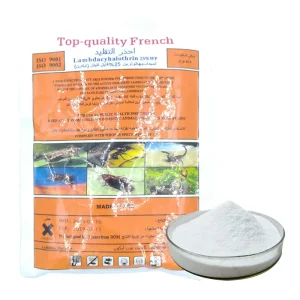
In humid zones across Nigeria, Brazil, and Paraguay, boll rot and armyworms present severe threats to lint integrity. Utilizing Fluopyram 41.7% SC for broad fungicidal suppression paired with Lambda-cyhalothrin 25% WDG prevents early boll penetration and fiber discoloration caused by internal decay.
Stripper and spindle harvesting require 95%+ foliage removal. Pre-harvest desiccation mixtures featuring Glufosinate-ammonium 20% SL integrated with growth regulators ensure clean boll drop and low trash percentages in automated ginning plants.
Adhering to global chemical compliance and eco-toxicological standard operating procedures.
International textile markets enforce strict Maximum Residue Limits (MRLs) on raw cotton lint and cottonseed oil. Leading chemical exporters supply detailed FAO/WHO-compliant dossiers, GLP analytical reports, and Safety Data Sheets (SDS). Products like Abamectin 3.6% EC and Cyromazine 2% WDG are engineered to degrade rapidly post-application, ensuring compliance with EU and USDA residue standards.
Modern pest management strategy centers on Integrated Pest Management (IPM). Selective acaricides such as Etoxazole preserve beneficial predatory mites, while targeted application of PGRs like 6-BA enhances plant stress recovery without chemical runoff. Eco-friendly WDG and SC formulations eliminate dust hazards during mixing and minimize solvent volatility into the atmosphere.
Future horizons in formulation chemistry, smart drone delivery, and digital agronomic tracking.
Development of micro-encapsulated insecticides and growth regulators providing controlled multi-week release, improving chemical bio-availability by up to 35% while lowering overall dosage.
Optimization of ultra-low volume (ULV) formulations designed specifically for aerial drone spraying, enabling precision localized leaf treatment in high-density cotton canopies.
Integration of field sensor data with automated dosing schedules, applying specific PGR cocktails to normalize lint maturity across variable soil zones.
Expert responses to critical commercial and technical queries regarding wholesale agrochemicals and cotton quality enhancement.
Gibberellic Acid (GA3) stimulates primary cell elongation during the first 15–20 days post-anthesis, which determines the potential Upper Half Mean Length (UHML) of the fiber. 6-BA (6-Benzylaminopurine) maintains sink strength, preventing boll abortion under environmental stress and allowing secondary wall deposition of cellulose, which dictates fiber micronaire and breaking strength (g/tex).
Sticky cotton is caused by honeydew excretions from aphids (Aphis gossypii) and whiteflies (Bemisia tabaci) landing on exposed lint. To solve this, a dual-action systemic formulation such as Dinotefuran 10% + Imidacloprid 20% WP or Pymetrozine 50% + Acetamiprid 25% WDG provides immediate knockdown and extended residual protection prior to boll opening.
High-grade Water Dispersible Granules (WDG) and Suspension Concentrates (SC) provide superior dispersion stability in large tank mixers used by commercial boom sprayers or aircraft. They reduce nozzle clogging and guarantee uniform chemical deposition over thousands of hectares, ensuring consistent leaf drop and minimal trash contamination in harvested lint.
Bulk pricing depends on active ingredient purity (TC grade), raw material market index trends, solvent choices (eco-friendly methyl esters vs. traditional aromatic solvents), customized OEM packaging specs, and shipping volume. Direct factory procurement ensures standardized quality control under ISO standards.
Empowering global agriculture with premium crop protection solutions since 2006.
Awiner Biotech was founded in 2006, located in the north of China—Shijiazhuang, Hebei Province. The city is close to our capital Beijing, with highly convenient transportation infrastructure. Awiner Biotech is committed to research, production, and distribution of agrochemicals, mainly dealing with insecticides, herbicides, fungicides, plant growth regulators, and public health pesticides.
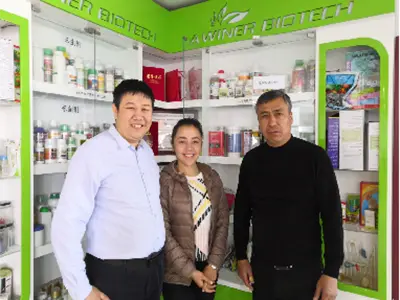
Customer Market Survey: We routinely conduct on-site market inspections in our partners' countries, analyzing agronomic challenges, solving pest resistance issues, and evaluating product field performance. We foster deep long-term relationships, frequently hosting global clients at our synthesis facilities.
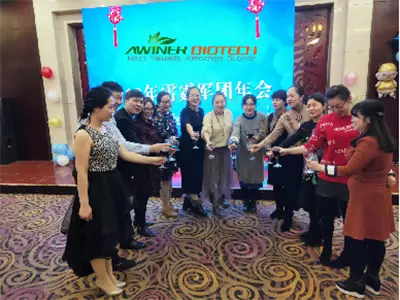
Supplying high-efficiency agrochemical inputs across continents.
Up to now, we have won trusted customers from Iraq, Iran, Afghanistan, Pakistan, India, Libya, Syria, Turkey, Yemen, Ukraine, Russia, Kazakhstan, Uzbekistan, Chile, Bolivia, Mexico, Brazil, Paraguay, Nigeria, Djibouti, Rwanda, Somalia, Malaysia, Cambodia, Nepal, Myanmar, and beyond.
Global Exhibitions: Countries where we regularly participate in trade exhibitions include Turkey, Iran, Pakistan, Nigeria, Russia, Cambodia, Malaysia, Uzbekistan, and more.
Complete agrochemical portfolio engineered for global cotton farming and industrial pest control.
 Awiner Biotech