China Insecticide Bifenthrin 97% TC 40% SC 2.5%EC 25%SC 10%EC CAS 82657-04-3 Factory, Manufacturer

Product Description

Product Display
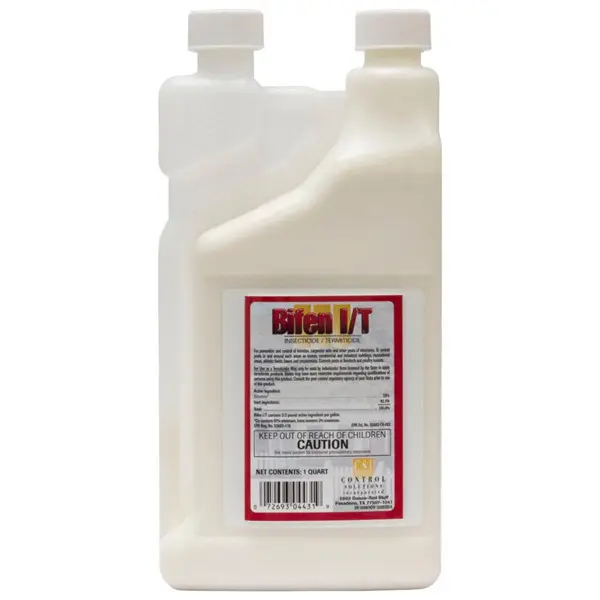
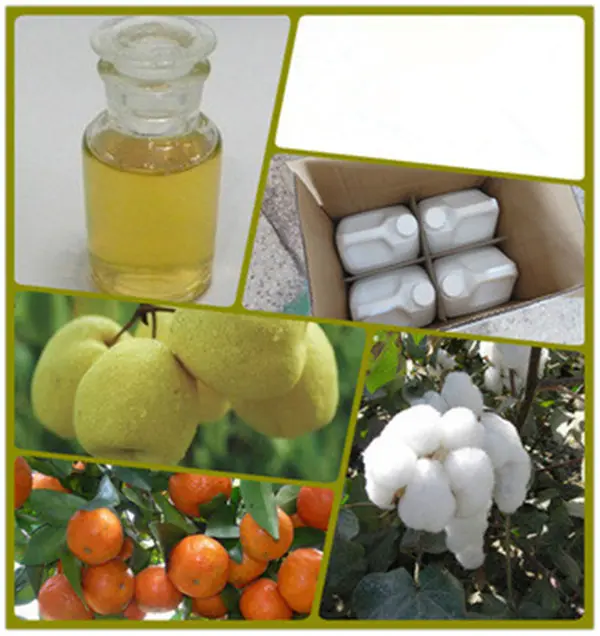
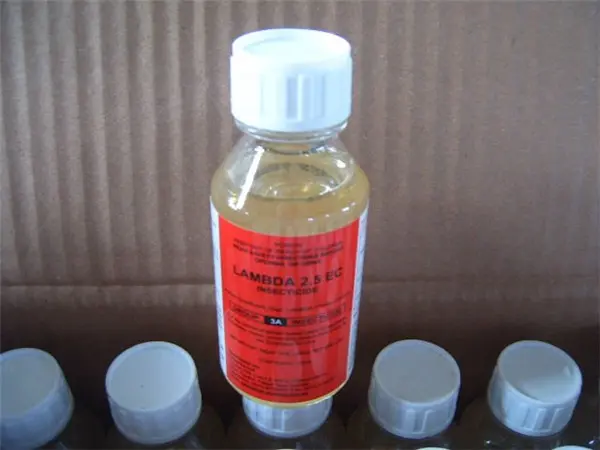
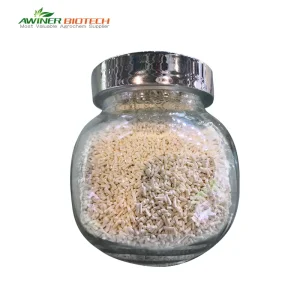
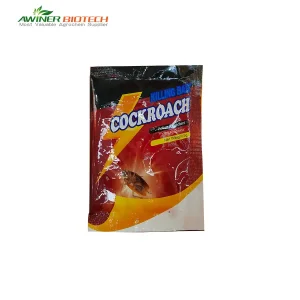
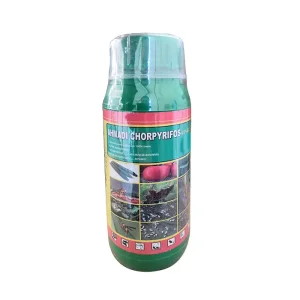
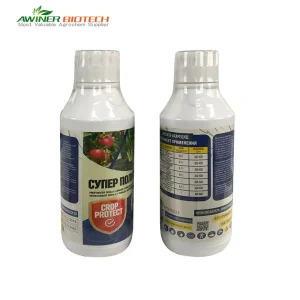
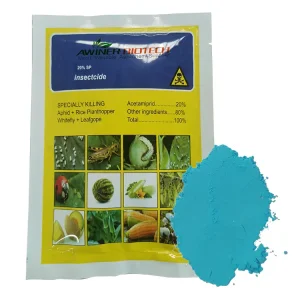
Bifenthrin Product Display
Details & Technical Specifications
Product Name Bifenthrin
Molecular Formula (MF) C23H22ClF3O2
CAS No. 82657-04-3
Molecular Weight 422.87
Classification Insecticide
Chemical Name (2-methyl[1,1'-biphenyl]-3-yl)methyl 3-(2-chloro-3,3,3-trifluoro-1-propenyl)-2,2-dimethylcyclopropanecarboxylate
Mode of Action & Pest Spectrum Contact and stomach action with some residual effect. Acts as a sodium channel modulator.
Application Scope 1. Effective against a broad range of foliar pests, including Coleoptera, Diptera, Heteroptera, Homoptera, Lepidoptera, and Orthoptera.
2. Controls some species of Acarina. Suitable crops include cereals, citrus, cotton, fruit, grapes, ornamentals, and vegetables.
3. Application rates range from 5 g/ha against Aphididae in cereals to 45 g/ha against Aphididae and Lepidoptera in top fruit.
Matters Needing Attention
  • This agent is toxic to silkworms; do not spray on mulberry leaves.
  • Do not mix with strong alkaline liquid mixtures.
  • Store in a cool, dry place. Storage together with food products is strictly prohibited.
  • Although toxicity is controlled, handle with care to avoid misuse. In case of accidental swallowing, induce vomiting immediately and seek medical attention.
Application & Efficacy Overview
Toxicological Profile

Bifenthrin is moderately toxic to animals and humans, but highly toxic to fish. Acute oral toxicity LD50 in rats is 54.5 mg/kg. Acute percutaneous toxicity LD50 in rabbits is greater than 2000 mg/kg. It exhibits no skin or eye irritation, and no teratogenic, carcinogenic, or mutagenic effects. Low toxicity to birds (acute oral LD50 to quail is 1800 mg/kg, and >4450 mg/kg to wild ducks).

Target Pests Controlled

Effective control against over 20 types of pests, including cotton bollworm, cotton spider, peach little heartworm, pear little heartworm, hawthorn leaf mite, orange spider, yellow spot bug, tea leaf bug, cabbage aphid, cabbage green insect, cabbage moth, eggplant spider, tea moth, greenhouse whitefly, tea canworm, and tea caterpillar.
Frequently Asked Questions (FAQ)
What is Bifenthrin and how does it work?
Bifenthrin is a high-efficiency pyrethroid insecticide (CAS No. 82657-04-3). It operates via contact and stomach action, acting as a sodium channel modulator to eliminate a wide spectrum of agricultural pests.
Which crops and pests can be treated with Bifenthrin?
It can be applied to cereals, citrus, cotton, fruit crops, grapes, ornamentals, and vegetables. It controls pests such as aphids, cotton bollworms, leaf mites, cabbage moths, tea caterpillars, and greenhouse whiteflies.
What are the standard application rates for Bifenthrin?
Application rates typically range from 5 g/ha for controlling Aphididae in cereal crops up to 45 g/ha for targeting Aphididae and Lepidoptera in top fruit orchards.
Is Bifenthrin toxic to non-target organisms?
Bifenthrin shows low toxicity to birds and moderate toxicity to mammals. However, it is highly toxic to aquatic life (fish) and silkworms, requiring careful application around bodies of water and sericulture areas.
What precautions should be observed during application and storage?
Avoid mixing Bifenthrin with strong alkaline liquids and do not spray on mulberry leaves. Store the product in a cool, dry place away from food supplies. If swallowed accidentally, induce vomiting immediately and seek emergency medical aid.

Related Products