Optimizing mechanical harvest efficiency, fiber grade preservation, and late-season crop protection through high-performance defoliants, boll openers, and targeted agrochemical active ingredients.
The global cotton production landscape has shifted permanently toward fully mechanized harvesting operations. Machine picking—whether utilizing spindle pickers or stripper harvesters—demands precise chemical conditioning of the crop prior to harvest. Unprecedented operational cost pressures require large-scale farming conglomerates and agricultural distributors to source high-purity harvest aid compounds directly from tier-1 manufacturers.
Failure to implement structured chemical defoliation leads to elevated trash content, severe lint staining (which downgrades cotton color grade from strict low middling to below grade), moisture retention during storage, and significant financial penalties at the ginning facility. As a premier wholesale #cottonharvest supplier and manufacturer, our synthesized solutions provide guaranteed performance across diverse microclimates.
Global demand for high-grade cotton fiber (micronaire value 3.8–4.9, staple length >1.125 inches) is accelerating across textile hubs in South Asia, East Asia, and Europe. In response, modern agrochemical manufacturing must deliver multi-modal formulations combining defoliants (such as Thidiazuron + Diuron blends), ripeners (Ethephon), and targeted residual insecticides to protect harvest-ready bolls from late-season pests.
Our integrated chemical manufacturing complex based in Shijiazhuang, Hebei Province, serves as the primary strategic engine for international crop protection distributors. By optimizing industrial-scale synthesis of active technical ingredients (TC) and soluble concentrates (SL/EC/SC/WDG), we provide the reliable bulk supply required for smooth harvest execution across millions of hectares globally.
Scientific formulation chemistry engineered to optimize defoliation rate, boll cracking, and green tissue inhibition under variable thermal and hygrometric conditions.
Our flagship chemical defoliation blends utilize Thidiazuron (TDZ) combined with Diuron. TDZ acts as a synthetic cytokinin inhibitor, triggering ethylene production while arresting auxin transport in the leaf petiole. This induces natural abscission layer formation without burning the leaf blade.
By co-formulating with Diuron (a Photosystem II inhibitor), photosynthesis is selectively inhibited, creating synergistic leaf drop at reduced ambient temperatures (<18°C) where standalone TDZ typically fails.
To synchronize harvest timing and maximize first-pick yield percentages, our crop harvest programs integrate high-purity Ethephon 480g/L to 720g/L SL formulations. Upon foliar absorption, Ethephon hydrolyzes directly inside plant tissue, releasing ethylene gas.
This biochemical release accelerates capsule dehiscence (boll opening), forcing immature bolls to mature rapidly while drying upper canopy green foliage to prepare fields for mechanical cotton pickers.
With the rapid adoption of Unmanned Aerial Vehicle (UAV) spraying systems in major cotton belts, our R&D center has perfected ultra-low-volume (ULV) anti-evaporation drift control technology. Modern defoliation solutions incorporate specialized bio-based organosilicone Surfactants.
These adjuvants lower surface tension down to <21 mN/m, guaranteeing deep canopy penetration, rapid cuticle penetration, and rainfastness within 60 minutes of application.
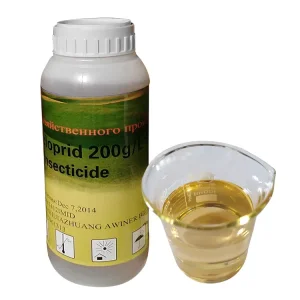
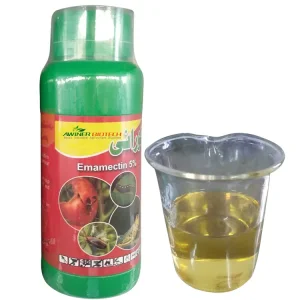
Eradication of late-season whiteflies, spider mites, and bollworms using low-residue insecticides such as Emamectin Benzoate 2% EC and Imidacloprid 20% SL. Clean crop canopy prevents honeydew accumulation and soot mold contamination on exposed lint.
Application of TDZ + Diuron SC in combination with Ethephon SL. Target ambient daily mean temperature threshold: >20°C. Complete leaf drop is achieved within 7 to 10 days, with boll opening reaching over 95% total field yield capacity.
Targeted application of rapid desiccant chemistry (e.g., specialized contact herbicides) to dry up lingering terminal green growth, vine weeds, and sucker leaves. Machine harvesters operate at peak efficiency with minimal machine clogging and zero leaf juice lint discoloration.
Tailored agronomic protocols engineered for extreme climatic variations, unique regional mechanization standards, and localized crop canopy structures worldwide.
Agronomic Conditions: Ultra-high density planting (approx. 180,000 to 220,000 plants per hectare), drip irrigation under mulch film, extreme diurnal temperature swings during autumn.
Technical Application: Dual-stage aerial drone application (UAV ULV). First application targets upper leaves using TDZ 540g/L SC to trigger lower canopy lighting. Second application (5 days later) combines Ethephon 720g/L SL for rapid, synchronized boll cracking before early frost events.
Outcome: Reaches >98% defoliation rate within 12 days, maintaining gin trash levels below 1.0% on spindle harvesters.
Agronomic Conditions: Massive vegetative canopy biomass, high relative humidity, persistent late-season rain showers, elevated risk of secondary regrowth.
Technical Application: High volume boom ground sprayer application utilizing tank mix combinations of TDZ + Diuron with specialized anti-regrowth agents. Includes systemic rainfast penetration aids to secure active uptake despite sudden tropical downpours.
Outcome: Effectively halts terminal sprout regrowth for up to 21 days while forcing rapid husk dehiscence without lint rot.
Agronomic Conditions: Stripper harvester systems, low night temperatures, high lint preservation standards, stringent EPA environmental residue thresholds.
Technical Application: Complete desiccation program using high-potency organophosphates combined with plant growth regulators to ensure leaves are crisp and dropped before mechanical stripper fingers pass through crop rows.
Outcome: Protects fiber micronaire values while eliminating green leaf stain penalties at merchant delivery points.
Agronomic Conditions: Mixed manual picking and semi-mechanized harvesting, varying farm block sizes, requirement for multi-purpose active formulations.
Technical Application: Low-cost, highly stable liquid emulsifiable concentrate (EC) and suspension concentrate (SC) formulations designed for backpack motor sprayers and light boom tractors.
Outcome: Increases picking speed by 300% for manual laborers while enabling smooth transition to mechanical picking equipment.
Leveraging Shijiazhuang's advanced chemical industrial cluster to deliver unbeatable cost efficiency, batch consistency, and massive production capacity.
Located in Shijiazhuang, Hebei Province—the core hub of China's fine chemical synthesis sector—Awiner Biotech profits from immediate access to basic raw material feedstocks, intermediate chemical synthesis complexes, and specialized packaging manufacturers.
Our proximity to Beijing and Tianjin Port enables rapid container loading, reduced inland freight costs, and streamlined customs clearance, guaranteeing shipment dispatch during tight seasonal harvest windows.
Unlike simple re-packers, our production ecosystem controls key intermediate synthesis processes for active ingredients including Pyrethroids, Organophosphates, Neonicotinoids, and Growth Regulators. This backward integration insulates global buyers from raw material price volatility.
Continuous-flow automated reaction tanks maintain chemical purity levels up to 98% TC, eliminating batch-to-batch variation and preventing nozzle clogging during aerial application.
We operate 12 automated liquid and solid packaging lines capable of processing diverse container formats: from 100ml high-barrier HDPE bottles to 200L steel drums and 1000L IBC totes for large industrial farms.
Full customization is available for localized labeling in English, Spanish, French, Russian, and Arabic, adhering strictly to FAO/WHO labeller guidelines and country-specific safety warnings.
Rigorous quality control, comprehensive GLP toxicological data support, and international ISO certification driving trust for overseas agrochemical importers.
Awiner Biotech operates strictly under ISO 9001:2015 (Quality Management Standard), ISO 14001:2015 (Environmental Management Standard), and ISO 45001:2018 (Occupational Health & Safety). Every batch of agrochemical formulation undergoes strict High-Performance Liquid Chromatography (HPLC) and Gas Chromatography (GC) analysis in our state-of-the-art laboratory before container sealing.
Securing registration permits is the highest barrier to entry for international pesticide distributors. Our dedicated regulatory affairs department provides our global partners with fully compliant GLP (Good Laboratory Practice) study dossiers, including:
Founded in 2006, Awiner Biotech is situated in Shijiazhuang, Hebei Province—north of China, adjacent to the capital Beijing. With convenient transport links and a robust industrial legacy, Awiner Biotech is dedicated to researching, producing, and distributing premium agrochemicals across the globe.
Integrated portfolio covering Pesticides, Herbicides, Fungicides, Plant Growth Regulators (PGRs), and Public Health Insecticides.
Strong market presence across Iraq, Iran, Afghanistan, Pakistan, India, Libya, Syria, Turkey, Yemen, Ukraine, Russia, Kazakhstan, Uzbekistan, Chile, Bolivia, Mexico, Brazil, Paraguay, Nigeria, Djibouti, Rwanda, Somalia, Malaysia, Cambodia, Nepal, Myanmar, and more.
Active participant in key global agricultural summits across Turkey, Iran, Pakistan, Nigeria, Russia, Cambodia, Malaysia, Uzbekistan, etc.
On-the-ground market inspections in client countries to evaluate field usage, resolve technical bottlenecks, and optimize localized formulations.
Direct technical and commercial answers addressing common challenges in bulk procurement, defoliation timing, tank mix compatibility, and export logistics.
 Awiner Biotech