 Awiner Biotech
1 / 3
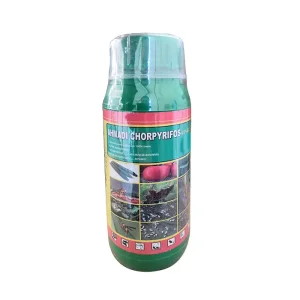
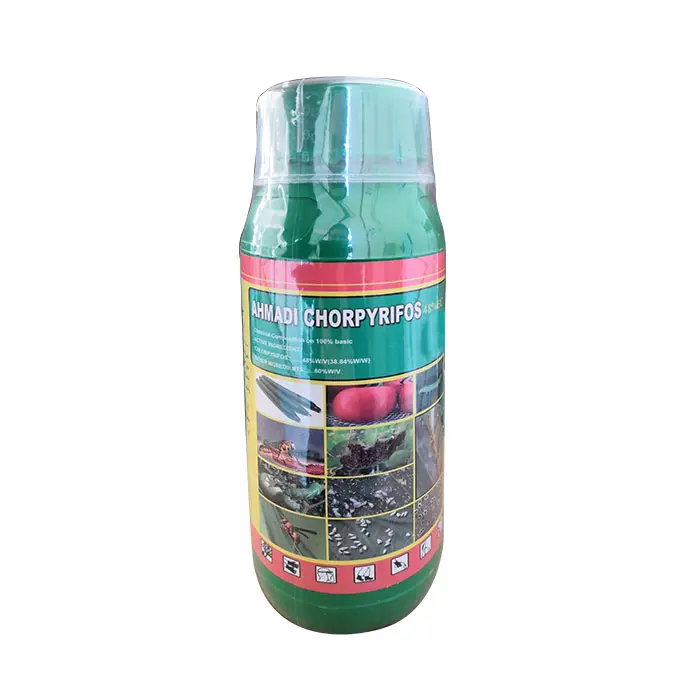
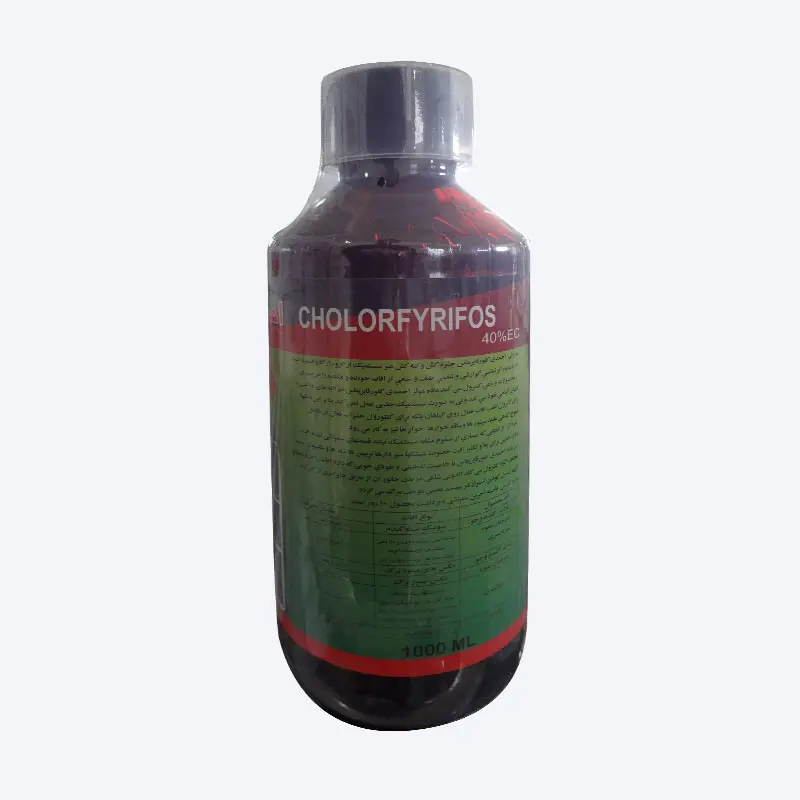
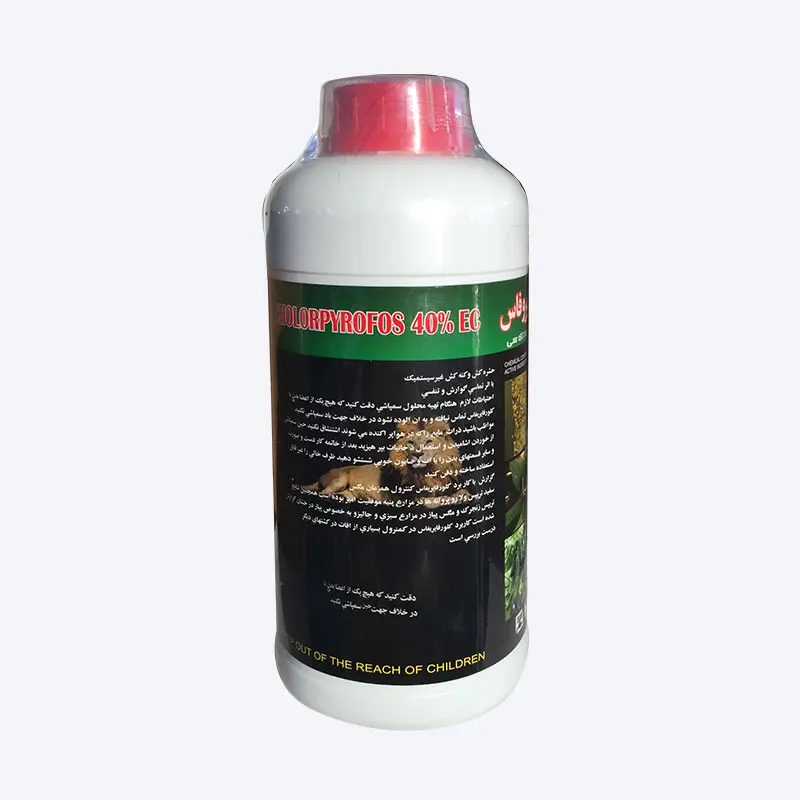
Chlorpyrifos Pesticide: Effective Protection Against Various Crop Pests
Chlorpyrifos pesticide offers a triple threat against pests, acting through ingestion, contact, and fumigation. It demonstrates excellent efficacy against a wide range of chewing and piercing-sucking pests on rice, wheat, cotton, fruit trees, and tea plants.
Chlorpyrifos targets pests such as rice leafhoppers, rice stem borers, rice leaf rollers, rice gall midges, citrus scale insects, apple aphids, lychee fruit borers, wheat aphids, and canola aphids, ensuring comprehensive pest control across various crops.
Its excellent compatibility allows for effective mixing with a variety of insecticides, enhancing efficacy significantly. For instance, combining chlorpyrifos with triazophos results in synergistic effects.
Compared to conventional pesticides, chlorpyrifos exhibits lower toxicity, ensuring the safety of beneficial organisms, thus serving as a preferred alternative to highly toxic organophosphate pesticides such as methyl parathion and oxydemeton-methyl.
Chlorpyrifos binds effectively with organic matter in the soil, making it particularly effective against soil-dwelling pests. Its residual activity extends for more than 30 days, providing prolonged protection against pests.
Chlorpyrifos lacks systemic action, ensuring the safety of agricultural products and consumers. It is suitable for the production of eco-friendly, high-quality agricultural products.
| Target Crop | Target Pests | Application Rate / Dilution & Method |
|---|---|---|
| Rice | Rice leafhoppers, leaf rollers, stem borers | Apply 70-90 milliliters per mu uniformly on stems and leaves. |
| Citrus Trees | Scale insects | Dilute at a ratio of 1000-1500 times and spray uniformly on stems and leaves. |
| Apple Trees | Aphids | Dilute at a ratio of 1500 times and spray uniformly during occurrence. |
| Lychee Trees | Fruit borers | Dilute at 1000-1500 times; spray once 20 days before harvest and again 7-10 days before harvest. |
| Wheat | Wheat aphids | Apply 15-25 milliliters per mu uniformly during peak occurrence. |
| Canola | Sticky insects | Apply 40-50 milliliters per mu uniformly before the third instar larvae stage. |
Conclusion: Chlorpyrifos pesticide emerges as a reliable solution for effective pest management in various crops, offering versatility, safety, and long-lasting efficacy. By adhering to recommended application rates and safety precautions, farmers can harness its potential to safeguard crop yields and promote sustainable agriculture.
Chlorpyrifos acts through a triple-action mechanism: ingestion, contact, and fumigation, ensuring effective control against chewing and piercing-sucking insects.
Chlorpyrifos binds effectively with soil organic matter, providing long-lasting residual control against soil-dwelling pests for more than 30 days.
No, Chlorpyrifos lacks systemic action. This property helps ensure the safety of harvested agricultural products and consumers when used properly.
The safety interval is 28 days for citrus trees (maximum 1 application per season) and 15 days for rice crops (maximum 2 applications per season).
In case of accidental poisoning, administer atropine or pralidoxime following organophosphate pesticide poisoning protocols and seek immediate medical assistance.