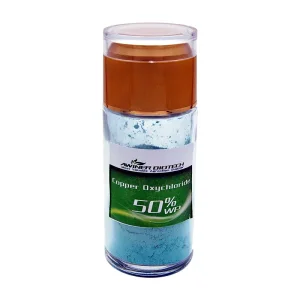
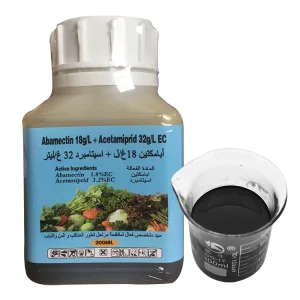
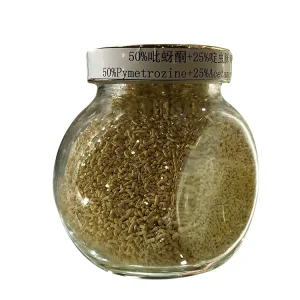
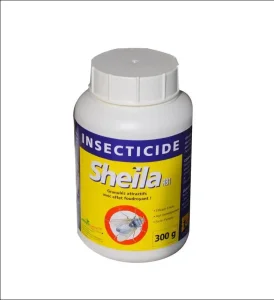
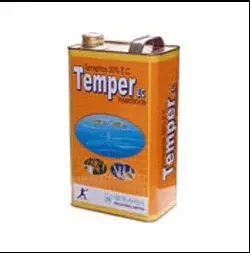
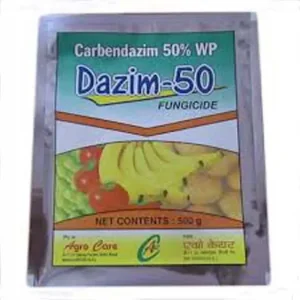
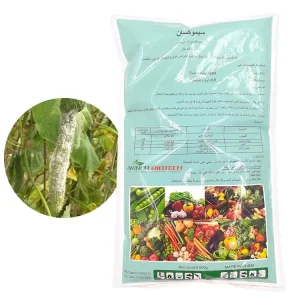
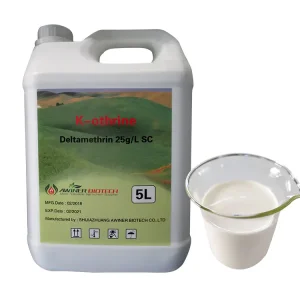
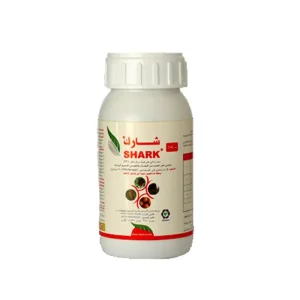
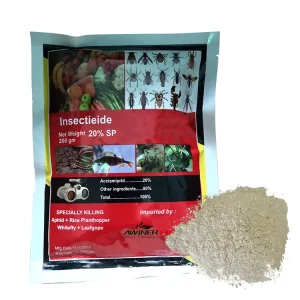
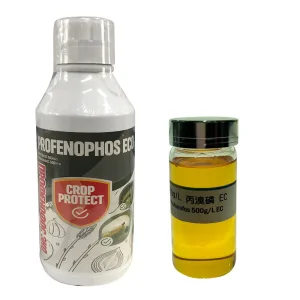
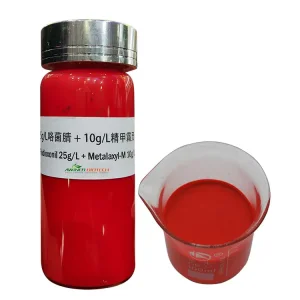
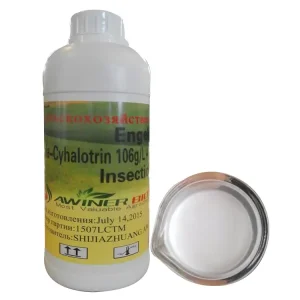
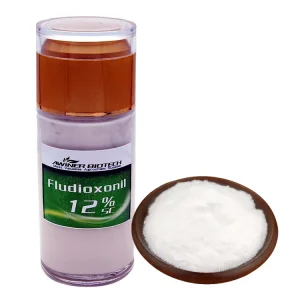
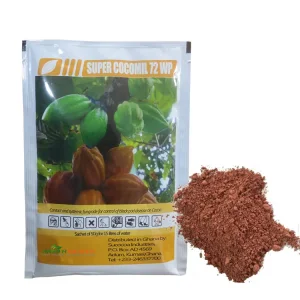
Featured technical formulations for broad-spectrum pest control and fungal suppression.
Understanding the biological mechanisms of spider mite damage in commercial fruit orchards.
Commercial fruit production across citrus, pome fruit (apples, pears), and stone fruit (peaches, cherries) faces relentless pressure from phytophagous mites. The primary destructive vectors include the European Red Mite (Panonychus ulmi), Two-Spotted Spider Mite (Tetranychus urticae), and Citrus Red Mite (Panonychus citri). These micro-arthropods possess rapid reproductive cycles, capable of completing a generation within 7 to 14 days under optimal temperature regimes (25°C–32°C).
Mites utilize stylet mouthparts to pierce epidermal parenchyma cells, sucking out cellular contents including chlorophyll, water, and essential nutrients. Early-stage feeding manifests as visible stippling or bronzing on leaf surfaces. As cellular necrosis spreads, stomatal conductance drops by up to 45%, severely compromising photosynthetic capacity. Prolonged infestation leads to premature defoliation, stunted fruit size, reduced soluble solid content (Brix), and diminished flower bud differentiation for subsequent seasons.
Modern Integrated Pest Management (IPM) mandates rigorous monitoring. Economic Injury Thresholds typically dictate intervention when mobile mite densities exceed 3 to 5 mites per leaf during early spring, or 7 to 10 mites per leaf during mid-summer peak development. Delaying chemical or biological intervention past EIT points frequently leads to irreversible fruit russeting, yield losses exceeding 30%, and compromised tree longevity.
Systematic chemical management targeting life cycles while breaking resistance pathways.
Spider mites exhibit extraordinary evolutionary adaptability, rapidly developing target-site insensitivity and metabolic resistance against single-site active ingredients. To maintain long-term acaricidal efficacy, wholesale buyers and plantation agronomists must structure crop protection programs around Insecticide Resistance Action Committee (IRAC) classifications, systematically rotating active ingredients across distinct developmental targets (eggs, larvae, nymphs, adults).
| Active Ingredient | IRAC MoA Group | Primary Target Stage | Biochemical Mode of Action | Field Efficacy & Strategic Utility |
|---|---|---|---|---|
| Abamectin | Group 6 | Nymphs & Adults | Glutamate-gated chloride channel (GluCl) allosteric modulators | Translaminar activity; rapid knockdown; ideal when combined with systemic partners like Acetamiprid. |
| Bifenazate | Group 20B | All Motile Stages | Mitochondrial complex III electron transport inhibitors | Fast-acting contact selective acaricide; highly safe for predatory beneficial insects in IPM programs. |
| Spirodiclofen | Group 23 | Eggs, Larvae, Nymphs | Inhibitors of acetyl CoA carboxylase (Lipid synthesis inhibitors) | Prevents female oviposition and nymphal molting; long residual stability on foliage (up to 40 days). |
| Etoxazole / Hexythiazox | Group 10A / 10B | Eggs & Young Nymphs | Mite growth inhibitors (Chitin biosynthesis disruption) | Potent ovicidal activity; renders adult females sterile; vital early-season proactive barrier. |
| Pyridaben / Fenpyroximate | Group 21A | All Motile Stages | Mitochondrial complex I electron transport inhibitors (METI) | Strong contact activity with rapid knockdown; effective during high-density summer outbreaks. |
To prevent field failure due to target-site mutations (e.g., G314D mutation in chitin synthase 1), growers must never apply active ingredients from the same IRAC group consecutively within a single growing season. Combining broad-spectrum Translaminar active agents like Abamectin with selective growth regulators ensures complete life-cycle disruption without inducing selective pressure.
Next-generation delivery platforms and smart agricultural intelligence in acarology.
Integration of multispectral imagery via autonomous UAV drones and orchard IoT sensors enables early detection of spider mite hotspots before visual bronzing occurs. AI-driven spectral analysis detects chlorophyll fluorescence micro-changes, triggering variable-rate targeted spraying that reduces total chemical volume usage by 30-50% while halting early infestation clusters.
Advanced formulation technology is shifting from solvent-heavy Emulsifiable Concentrates (EC) to green Nano-Suspension Concentrates (SC) and Micro-encapsulated formulations (CS). Nanometer-scale active particles enhance foliage adherence and cuticular penetration, dramatically reducing UV degradation and extending rainfastness under extreme weather conditions.
Emerging biochemical research focuses on double-stranded RNA (dsRNA) biopesticides engineered to silence vital genes specific to Tetranychus urticae. These bio-acaricides deliver absolute target specificity, eliminating negative off-target impacts on beneficial pollinators (Apis mellifera) and predatory mites (Phytoseiidae).
Holistic canopy health strategies for high-density orchard management.
Successful commercial orchard management relies on strategic chemical timing. Dormant oil applications during bud-break target overwintering eggs. Early post-bloom sprays deploy growth inhibitors (Etoxazole/Hexythiazox) to suppress first-generation larvae. Mid-to-late season spikes utilize selective fast-acting contact actives (Bifenazate, Abamectin combinations) to mitigate pop-up outbreaks.
Preserving natural predators is a cornerstone of macro IPM. Commercial release of predatory mites (Neoseiulus californicus and Phytoseiulus persimilis) provides continuous bio-suppression. Choosing selective synthetic acaricides like Bifenazate ensures high toxicity against target pest mites while exhibiting zero residual toxicity toward predatory mites and beneficial insects.
Global fruit export standards demand strict compliance with destination-market MRLs (EU, US-EPA, Japan Positive List). By engineering precise pre-harvest intervals (PHI) into seasonal spray programs and replacing late-season persistent chemicals with bio-pesticides like Bacillus thuringiensis or botanical extracts, exporters avoid residue rejections at international ports.
State-of-the-art chemical synthesis, precision formulation, and batch consistency.
Modern Chinese agrochemical manufacturing has transitioned to Industry 4.0 digital smart factories. Automated continuous-flow reactors maintain precise thermal and stoichiometric control during technical-grade active ingredient synthesis. Integrated Gas Chromatography-Mass Spectrometry (GC-MS) and High-Performance Liquid Chromatography (HPLC) testing ensure batch purity levels exceeding 98% TC standards.
Factory 4.0 infrastructure enables flexible production of micro-emulsions (ME), suspension concentrates (SC), and water-dispersible granules (WDG). Advanced packaging lines support custom filling from 100mL aluminum bottles to 1000L IBC totes under strict ISO9001 and ISO14001 quality management systems, guaranteeing structural integrity during oceanic transit.
By leveraging China's complete chemical supply chain infrastructure—from basic petrochemical feedstocks to advanced intermediate synthesis—manufacturing facilities yield unmatched scale efficiencies. This vertical integration buffers global enterprise buyers against price volatility and raw material bottlenecks.
Empowering global distributors with complete regulatory dossiers and field trial data.
Navigating country-specific agricultural registrations requires robust documentation. Comprehensive regulatory support includes full FAO/WHO specifications, Good Laboratory Practice (GLP) toxicology studies, environmental fate reports, and 5-batch analysis documentation required for Ministry of Agriculture approvals worldwide.
Acaricide efficacy varies based on microclimates, humidity, and local crop varieties. Field validation programs across South America, the Middle East, Eastern Europe, and Southeast Asia ensure formulation stability, rainfastness, and crop safety under real-world agricultural conditions.
All formulations adhere to global Environmental Health and Safety (EHS) mandates, meeting REACH standards and global GHS hazard labeling guidelines. Zero-waste packaging initiatives and solvent-free water-based SC formulations support sustainable corporate environmental stewardship.
Transparent volume-tier pricing models and custom OEM contracting strategies.
Wholesale procurement of commercial acaricides and fruit tree crop protection solutions operates on dynamic cost structures influenced by technical active raw material market prices, solvent costs, container specifications, and order volumes. Below is an indicative commercial pricing framework for B2B enterprise procurement decision-making.
| Formulation & Active Ingredient | Standard Packing Unit | Minimum Order Qty (MOQ) | Wholesale Price Range (USD Equivalent) | Lead Time (FOB China Port) |
|---|---|---|---|---|
| Abamectin 1.8% / 3.6% EC | 1L HDPE Bottle / 200L Drum | 1,000 Liters | $4.80 – $8.50 / Liter | 14 - 21 Days |
| Bifenazate 480g/L SC | 1L Bottle / 5L Canister | 500 Liters | $22.00 – $28.50 / Liter | 20 - 25 Days |
| Spirodiclofen 240g/L SC | 1L Bottle / 20L Drum | 1,000 Liters | $14.50 – $18.20 / Liter | 15 - 20 Days |
| Etoxazole 110g/L SC | 500mL / 1L Bottle | 1,000 Liters | $11.00 – $15.00 / Liter | 15 - 22 Days |
| Acetamiprid 32g/L + Abamectin 18g/L EC | 1L Bottle / 200L Metal Drum | 2,000 Liters | $6.20 – $9.40 / Liter | 14 - 20 Days |
We offer flexible private label packaging solutions, customized co-formulations (e.g., combining acaricides with fungicides or plant growth regulators like Paclobutrazol), and tailored spot pricing vs. long-term annual supply contracts. Contact our enterprise sales desk for custom quotes based on current CFR/CIF port-of-destination freight rates.
Awiner Biotech: Over 18 years of excellence in agrochemical research, manufacturing, and global trade.
Awiner Biotech was founded in 2006, located in north of China - Shijiazhuang, Hebei Province. The city is close to our capital Beijing, transportation is convenient. Awiner Biotech is committed to research, produce and distribute agrochemicals, mainly dealing with pesticides, herbicides, fungicides, plant growth regulators, and public health pesticides.
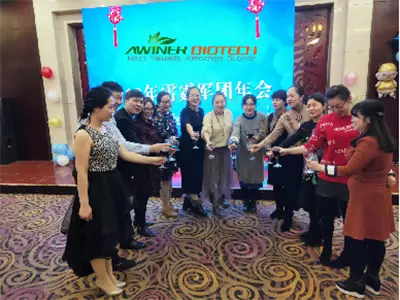
Up to now, we have won customers from Iraq, Iran, Afghanistan, Pakistan, India, Libya, Syria, Turkey, Yemen, Ukraine, Russia, Kazakhstan, Uzbekistan, Chile, Bolivia, Mexico, Brazil, Paraguay, Nigeria, Djibouti, Rwanda, Somalia, Malaysia, Cambodia, Nepal, Myanmar, and so on.
Our countries participating in agricultural trade exhibitions include Turkey, Iran, Pakistan, Nigeria, Russia, Cambodia, Malaysia, Uzbekistan, and more. We continuously engage with global distributors to provide advanced plant protection products.
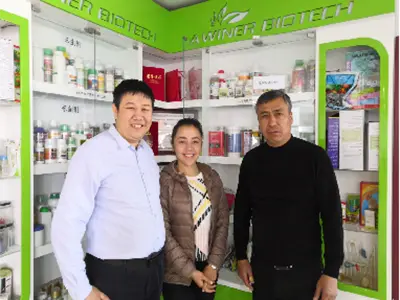
We go directly to customer countries to conduct market inspections, analyze and solve field agronomic problems, monitor real-world product usage efficacy, and invite global partners to visit our advanced manufacturing facilities in China.
In-depth answers for commercial growers, agronomists, and global chemical buyers.
Abamectin resistance typically manifests through enhanced metabolic detoxification or target site mutation. To break resistance, tank-mix or rotate Abamectin (IRAC Group 6) with growth inhibitors such as Spirodiclofen (Group 23) or Etoxazole (Group 10A). Never apply Abamectin more than twice within a single growing season.
Most acaricides (including Abamectin, Bifenazate, and Pyridaben) undergo rapid alkaline hydrolysis when spray water pH exceeds 7.5. For optimal stability and foliar uptake, adjust spray tank water pH to an acidic-neutral range of 5.5 to 6.5 using buffering adjuvants prior to adding active chemicals.
Selectivity varies significantly by chemical class. Selective compounds like Bifenazate and Spirodiclofen exhibit minimal toxicity to predatory beneficial mites (Phytoseiidae). Conversely, broad-spectrum pyrethroids or organophosphates can destroy beneficial predator populations; choose selective actives during integrated pest management cycles.
We provide comprehensive packaging choices tailored for retail distribution or large-scale commercial plantations: from 100mL, 250mL, 500mL, and 1L fluorinated COEX/HDPE bottles to 5L, 20L, 200L drums, and 1000L IBC totes. Custom private labeling, branding design, and UN-certified hazard packaging are fully supported.
Enterprise purchasers can request custom quotes by submitting desired formulation parameters, concentration percentages (e.g., Abamectin 18g/L + Acetamiprid 32g/L EC), volume targets, container requirements, and destination port (FOB or CIF terms). Quotes are generated within 24 business hours.
We supply complete technical dossiers for regional pesticide registration, including Certificates of Analysis (COA), Material Safety Data Sheets (MSDS), FAO specification compliance letters, stability study reports, and factory quality audit certifications.
Complementary chemical solutions for comprehensive agricultural protection programs.
 Awiner Biotech