Direct factory supply of high-potency insecticides, fungicides, and herbicides engineered for complex pest management ecosystems.
In modern intensive agriculture, field crops and horticultural systems are rarely attacked by a single isolated species. Instead, commercial growers face dynamic pest complexes comprising chewing insects, piercing-sucking arthropods, soil-borne larvae, and vector-transmitted viral threats simultaneously. The global commercial synthesis of a single wholesale insecticide that controls multiple pests represents a critical shift from reactive single-target applications to strategic, broad-spectrum Integrated Pest Management (IPM) platforms.
Key Industry Drivers: Rising global average temperatures have shortened insect lifecycle iterations, prompting overlapping generations of pests such as Bemisia tabaci (Whiteflies), Spodoptera frugiperda (Fall Armyworm), Thrips palmi, and aphid vectors. Sourcing dual and multi-action chemistries from verified synthesis factories lowers field pass counts, minimizes machinery fuel expenditure, and drastically reduces soil compaction.
Large-scale agricultural operations require agrochemical solutions that balance efficacy, resistance mitigation, and application economics. By deploying advanced broad-spectrum formulations—such as water-dispersible granules (WDG), soluble concentrates (SC), and micro-emulsions—commercial operations achieve high bio-availability across diverse canopy architectures. Industrial manufacturers focus on multi-target physiological pathways within pests, including synaptic transmission inhibition, chitin biosynthesis disruption, and mitochondrial electron transport interference.
Achieving true multi-pest control without triggering acute phytotoxicity requires rigorous empirical laboratory testing and molecular-level additive engineering. As a leading primary pesticide manufacturer based in Shijiazhuang, Hebei Province, Awiner Biotech leverages over 18 years of technical synthesis experience to engineer active ingredient matrix combinations that overcome metabolic resistance mechanisms.
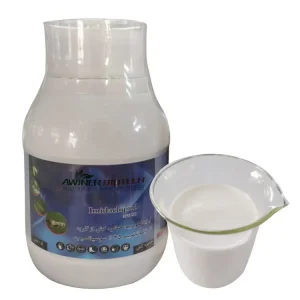
Formulations incorporating active compounds like Imidacloprid 35% SC and Thiamethoxam bind selectively to insect central nervous system nicotinic acetylcholine receptors (nAChR). This delivers long-lasting systemic protection for root structures and emerging foliage against aphids, leafhoppers, and subterranean termites.
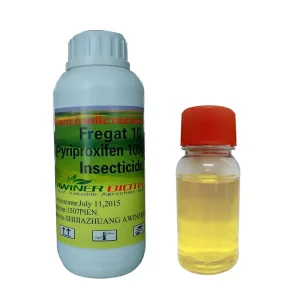
Integrating insect growth regulators (IGRs) like Pyriproxyfen 100g/L EC disrupts molting cycles, egg hatchability, and metamorphosis. When combined with adulticides, it breaks overlapping generation life cycles, controlling whiteflies and scale insects effectively across fruit orchards and commercial greenhouses.
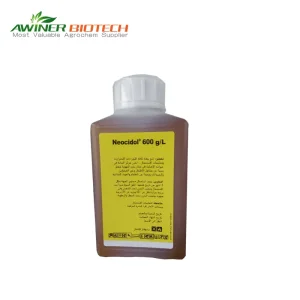
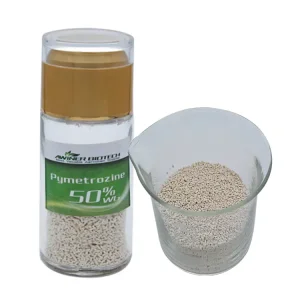
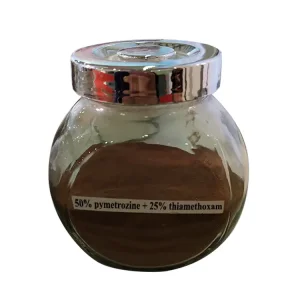
Active agents such as Pymetrozine 50% WDG and broad-spectrum contact organophosphates like Diazinon 95% TC / 600g/L EC provide rapid knockdown of sucking pests and soil dwelling grubs while preserving beneficial predatory insects through targeted application timing.
Our manufacturing plant enforces stringent technical control metrics for wholesale broad-spectrum insecticides:
Founded in 2006, Awiner Biotech is strategically situated in northern China at Shijiazhuang, Hebei Province, in close proximity to the capital city of Beijing. Backed by highly efficient logistical corridors connecting directly to Qingdao and Tianjin ports, our modern agrochemical industrial facilities produce, refine, and export premium pesticides, herbicides, fungicides, plant growth regulators, and public health control agents to over 30 countries globally.
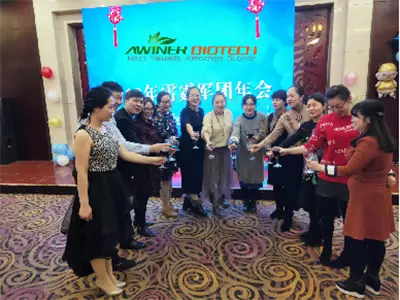
Figure 1: Global Footprint and Regional Agronomic Market Operations
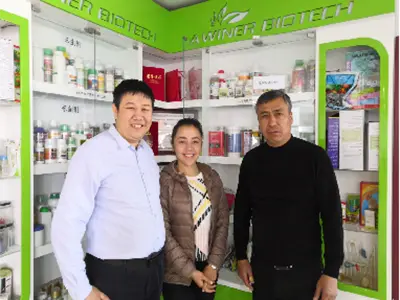
Figure 2: Industrial Manufacturing and International Trade Distribution Network
Up to now, our direct factory-to-market trade channels have served agricultural distributors, corporate farms, and government tenders across diverse geographic zones:
Verified Export Destinations:
Iraq, Iran, Afghanistan, Pakistan, India, Libya, Syria, Turkey, Yemen, Ukraine, Russia, Kazakhstan, Uzbekistan, Chile, Bolivia, Mexico, Brazil, Paraguay, Nigeria, Djibouti, Rwanda, Somalia, Malaysia, Cambodia, Nepal, Myanmar, and adjacent agronomic sectors.
Our technical teams routinely conduct on-site country market inspections to audit product field performance, assess local water hardness impact on emulsification, and evaluate pest resistance shifts. Furthermore, Awiner Biotech actively participates in flagship chemical industry expos across Turkey, Russia, Pakistan, Nigeria, Uzbekistan, and Malaysia to foster direct long-term B2B relationships.
Procuring wholesale agrochemicals requires strict alignment with national agricultural authority guidelines. We supply comprehensive support documentation to ensure swift registration clearance and import compliance for commercial clients.
As regulatory scrutiny tightens around environmental chemical loads, the technical roadmap for broad-spectrum wholesale pesticides focuses on enhancing target selectivity, reducing active ingredient volatility, and minimizing solvent residues.
Micro-encapsulation technology wraps active ingredients within polymeric membranes, providing controlled, time-released pest control that withstands UV degradation and rain wash-off.
Replacing standard aromatic solvents (e.g., Xylene) with vegetable oil derivatives and methyl esters to improve crop safety, lower flash points, and simplify air shipment logistics.
Engineering multi-action pesticide concentrates with specialized anti-foaming agents and non-ionic wetting agents to ensure smooth integration with foliar fertilizers and bio-stimulants.
Multi-pest control is achieved through active ingredients that target physiological systems common across diverse insect orders (e.g., nerve action across Coleoptera, Diptera, and Hemiptera) or by blending broad-spectrum active ingredients into a co-formulated solution. Systemic active components translocate through plant vascular tissues to eliminate sucking pests, while contact and stomach action components protect outer foliar surfaces against chewing larvae.
Standard commercial MOQ depends on the formulation type: typically 1,000 Liters for liquid suspensions (SC, EC) and 1,000 Kilograms for dry formulations (WDG, WP). Industrial technical Grade (TC) items vary. Standard factory lead time is 15 to 25 days, which includes analytical verification, custom labeling, and export port staging.
To manage pest resistance, we recommend implementing Insecticide Mode of Action (IRAC) rotation strategies. Commercial growers should alternate active ingredient classes—such as rotating Neonicotinoids (Group 4A) with Diamides (Group 28) or Insect Growth Regulators (Group 7C)—between cropping cycles, and incorporate non-chemical IPM tactics.
Yes, we provide end-to-end OEM/ODM custom manufacturing services. This includes precise active ingredient concentration adjustments, customized co-formulations (e.g., insecticide + fungicide combinations), and private labeling with customized bottle, aluminum bag, or bulk drum packaging options suited for local retail markets.
Agrochemical products should be stored in cool, well-ventilated, dry warehouses away from direct sunlight, food products, and animal feed. Maintain ambient storage temperatures between 0°C and 30°C. Keep liquid containers tightly sealed in their original UV-protected HDPE or fluorinated packaging.
Explore additional high-grade agricultural pesticides, specialized public health controls, and crop protection chemistries.
 Awiner Biotech