 Awiner Biotech
1 / 3
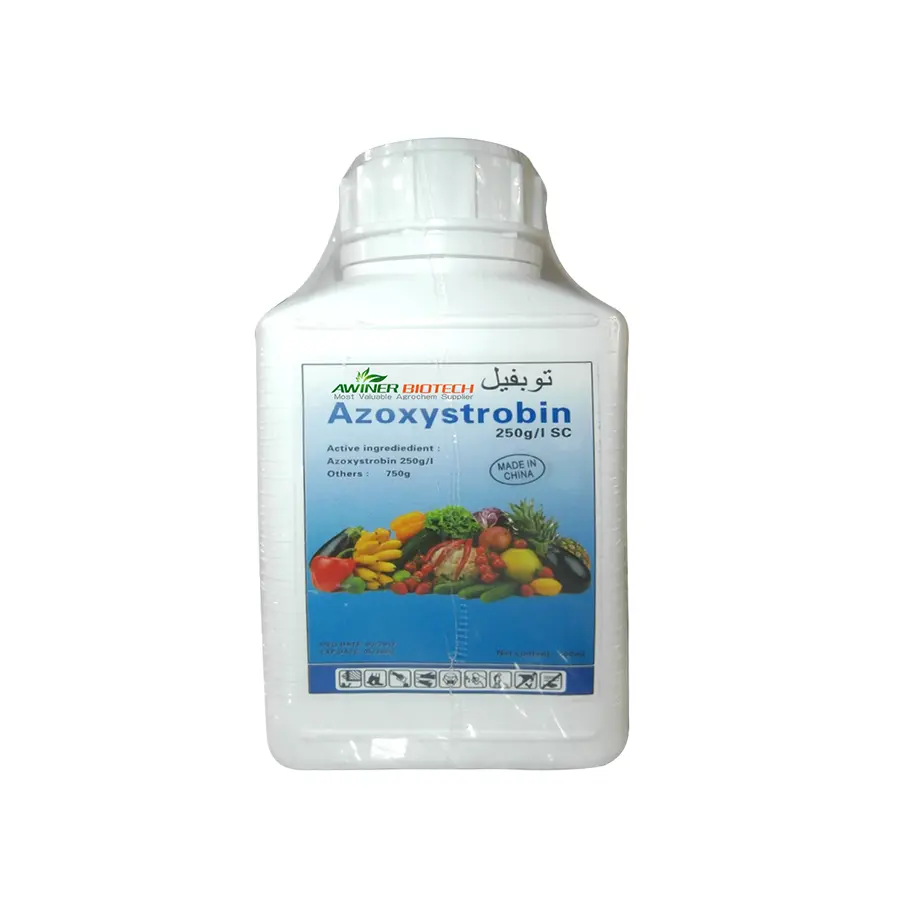
Azoxystrobin is a systemic fungicide that belongs to the class of strobilurin fungicides. It works by inhibiting the mitochondrial respiration in fungal cells.
When azoxystrobin is applied to plants, it is absorbed through the foliage and translocated throughout the plant, including the leaves, stems, and roots. Once inside the plant, azoxystrobin disrupts the electron transfer chain in the mitochondria of fungal cells. This disruption prevents the production of adenosine triphosphate (ATP), which is the main energy source for cellular processes in fungi.
As a result, fungal cells are unable to generate sufficient energy to support their metabolic activities, leading to metabolic dysfunction, cell membrane damage, and ultimately cell death. This mode of action effectively controls a wide range of fungal diseases, including powdery mildew, rusts, leaf spot, and anthracnose, among others.
Azoxystrobin’s systemic nature allows it to provide both preventive and curative activity, protecting plants from fungal infections and helping to halt the spread of existing infections. Additionally, its translaminar movement within plant tissues provides extended protection against diseases, even after application.
Azoxystrobin is a systemic fungicide belonging to the strobilurin class of chemical compounds.
It inhibits mitochondrial respiration by disrupting the electron transfer chain, preventing ATP energy production in fungal cells.
It is absorbed through the foliage and translocated throughout the plant's leaves, stems, and roots, displaying translaminar movement.
It controls a broad spectrum of fungal diseases, including powdery mildew, rusts, leaf spot, anthracnose, and many others.
Thanks to its systemic nature, Azoxystrobin provides both preventive activity to stop infections before they start and curative action to halt existing infections.
Translaminar movement allows the active ingredient to redistribute within plant tissues, providing extended and thorough disease protection after application.