High-purity technical concentrates, advanced water-dispersible granules, and systemic emulsifiable formulations engineered for commercial farming and public safety.
Decoding shifting regulatory landscapes, technical synthesis methodologies, and the economic drivers powering bulk insecticide procurement worldwide.
Modern insect management strategies focus on selective modes of action (MoA), such as neonicotinoid nicotinic acetylcholine receptor (nAChR) allosteric modulators (e.g., Imidacloprid, Thiamethoxam) and insect growth regulators (IGRs like Pyriproxyfen). These formulations maximize target mortality while mitigating impact on non-target beneficial fauna.
Widespread reliance on single-mode active ingredients accelerates pest resistance. High-gain sourcing involves dual-action matrix blends—combining fast-knockdown pyrethroids (e.g., Cypermethrin) with systemic neonicotinoids or bio-rational compounds—to break resistance cycles across multi-generational pest vectors.
Transitioning from traditional high-VOC Emulsifiable Concentrates (EC) toward solid water-dispersible granules (WDG), soluble concentrates (SL), and microencapsulation reduces transport costs, improves shelf-life stability up to 24 months, and enhances safety during handling and mixing operations.
Why premier global ag-distributors rely on North China chemical infrastructure for scalable, cost-efficient, and fully compliant pesticide manufacturing.
China's chemical manufacturing ecosystem, particularly within key industrial clusters in Hebei and neighboring provinces, offers unparalleled integration from basic petrochemical raw materials to complex technical grade active ingredients (TC). This structural advantage isolates procurement partners from international supply chain shocks, ensures baseline cost efficiency, and guarantees high-rate synthesis output during critical agricultural planting seasons.
By maintaining control over basic intermediates like 2-chloro-5-chloromethylpyridine for neonicotinoids or customized ester intermediates for pyrethroids, modern Chinese synthesis plants can optimize yield rates while maintaining rigorous purity thresholds (exceeding 98% TC standards).
Modern agrochemical buyers demand more than raw active chemical mass—they require sophisticated delivery systems that optimize bio-efficacy, spray retention, and environmental degradation rates. Advanced formulation facilities in China deploy automated fluid-bed granulation lines for Water Dispersible Granules (WDG), microencapsulation technology for controlled-release pesticides, and specialized adjuvant pairing to enhance leaf surface penetration.
Technical comparison of primary formulation types, physical attributes, targeted pest spectra, and recommended field applications.
| Formulation Code | Active Ingredient & Concentrates | Physical State & Characteristics | Target Pest Spectrum | Key Field Advantage |
|---|---|---|---|---|
| WDG / WG (Water Dispersible Granule) |
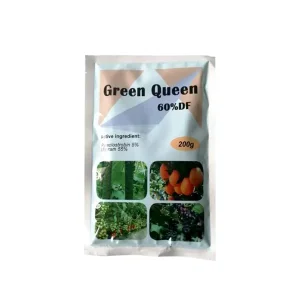
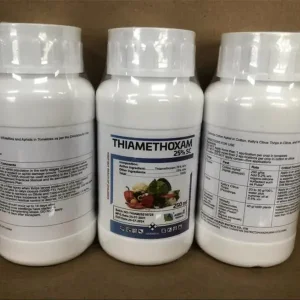
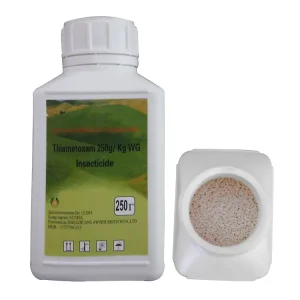
Thiamethoxam 25%, Pyraclostrobin + Metiram 60% | Dustless free-flowing dry granules, 100% water dispersion | Aphids, Whiteflies, Planthoppers, Fungal Pathogens | Zero toxic dust hazard, highly stable long shelf-life, excellent tank-mix compatibility. |
| EC (Emulsifiable Concentrate) |
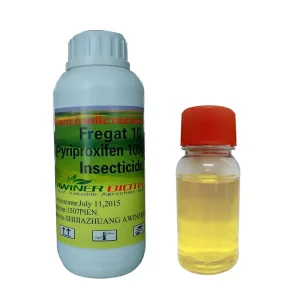
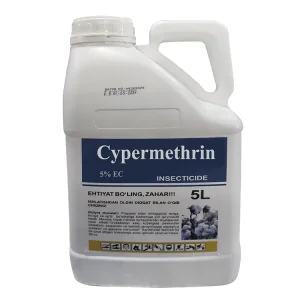
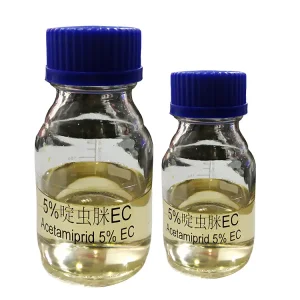
Pyriproxyfen 100g/L, Acetamiprid 5%, Cypermethrin 10% | Clear homogenous liquid forming fine emulsion in water | Scale insects, Flies, Caterpillars, Beetles, Diptera larvae | Superior cuticular wax penetration, fast contact and stomach poison action. |
| SL (Soluble Concentrate) |
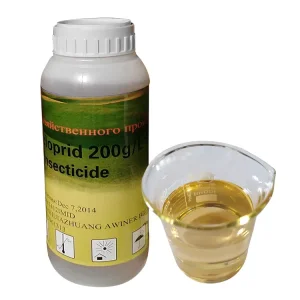
Imidacloprid 20%, Acephate Formulations | Clear to translucent water-soluble liquid concentrate | Sucking insects, Thrips, Root-knot nematodes, Mealybugs | High systemic acropetal translocation via xylem, minimal nozzle clogging risk. |
| SP / SG (Soluble Powder / Granule) |
Gibberellic Acid 10%, Acephate 95%/97% | Water-soluble crystalline powder/granule, zero sediment | Chewing pests, Plant growth optimization, Vegetative growth | Rapid dissolution, high active content concentrate, compact packaging logistics. |
| Bait / Blocks (Pest Baits) |
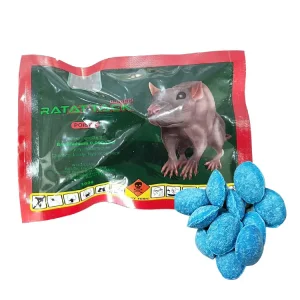
Brodifacoum 0.005% Block, Cockroach Baits | Weather-resistant paraffin blocks or gel paste matrix | Rodents (Mice/Rats), Synanthropic Cockroaches, Flies | High palatability, delayed lethality preventing bait shyness, field-durable. |
Tailored crop protection protocols addressing localized climate challenges, resistance patterns, and agricultural crop frameworks across global markets.
Primary Threats: Planthoppers, Stem Borers, Broadleaf & Grassy Weeds, Rust Pathogens.
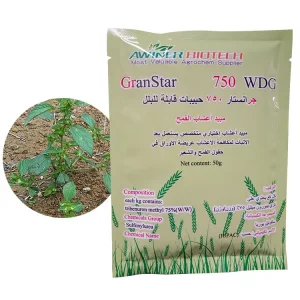
Custom Solution: Broad-spectrum combination therapies utilizing systemic neonicotinoid seed treatments or post-emergence broad-spectrum sprays (such as Tribenuron-methyl 75% WDG and Penoxsulam) coupled with low-dose Thiamethoxam foliage sprays to prevent viral vector transmission.
Primary Threats: Whiteflies, Spider Mites, Thrips, Leaf Damage, Powdery Mildew.
Custom Solution: Alternating targeted treatments of Pyriproxyfen 100g/L EC (to suppress egg hatch and larval maturation) with Imidacloprid 20% SL and plant growth stimulants like Gibberellic Acid (GA3) to accelerate crop recovery after pest damage.
Primary Threats: Disease-carrying Mosquitoes, Houseflies, Horseflies, German/American Cockroaches, Rodents.
Custom Solution: Implementation of structural bait systems (Brodifacoum 50 paraffin blocks for rodent vectors) and thermal fogging or surface spray operations utilizing residual pyrethroids and larvicides across urban municipal centers.
Step-by-step technical auditing, dossier approval, and international shipping parameters for bulk chemical buyers.
Navigating national agricultural ministry registrations requires precise analytical documentation. Institutional suppliers must provide access to comprehensive GLP (Good Laboratory Practice) data packages, including:
Agrochemical transport involves strict compliance with International Maritime Dangerous Goods (IMDG) codes. Secure procurement workflows demand validated packaging integrity:
Over 18 years of technical research, automated manufacturing, and global distribution of synthetic pesticides, herbicides, fungicides, and plant growth regulators.
Founded in 2006, Awiner Biotech is headquartered in Shijiazhuang, Hebei Province, situated in northern China adjacent to the capital city, Beijing. Operating within this core chemical hub, our facility benefits from robust municipal infrastructure, world-class analytical testing labs, and rapid transport links to northern export terminals.
Awiner Biotech is fully committed to the research, production, blending, and international distribution of advanced agrochemical products. Our extensive synthesis and formulation portfolio spans high-potency insecticides, broad-spectrum herbicides, protective/systemic fungicides, specialized plant growth regulators (PGRs), and public health pest control solutions.
Up to now, we have established long-term commercial trade partnerships with clients spanning over 25 sovereign markets:
Active Export Destinations: Iraq, Iran, Afghanistan, Pakistan, India, Libya, Syria, Turkey, Yemen, Ukraine, Russia, Kazakhstan, Uzbekistan, Chile, Bolivia, Mexico, Brazil, Paraguay, Nigeria, Djibouti, Rwanda, Somalia, Malaysia, Cambodia, Nepal, Myanmar, and surrounding regions.
Awiner Biotech actively participates in leading international agrochemical expos globally, including key trade summits in Turkey, Iran, Pakistan, Nigeria, Russia, Cambodia, Malaysia, Uzbekistan, and beyond.
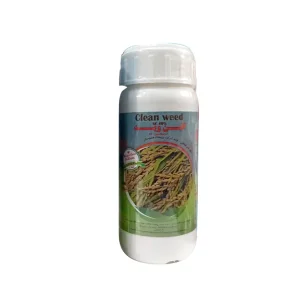
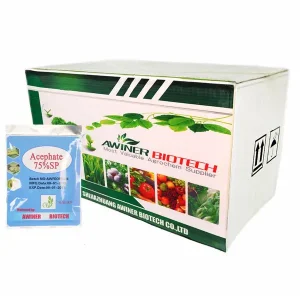
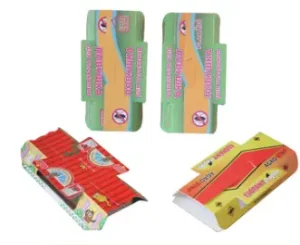
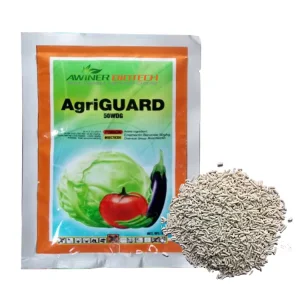
Explore our complete range of specialized insect management active ingredients, systemic herbicides, and pest control blocks.
Technical guidance covering wholesale pricing structures, minimum order quantities (MOQs), GLP registration dossiers, and customized formulation support.
For Technical Grade (TC) materials (such as Acephate 97% TC or Gibberellic Acid TC), standard baseline MOQs typically start at 500 kg to 1 Metric Ton depending on chemical synthesis batch constraints. For finished liquid formulations (e.g., Imidacloprid 20% SL, Pyriproxyfen 100g/L EC), standard production runs start at 1,000 Liters, whereas dry formulations like Emamectin Benzoate 5% WDG or Thiamethoxam 25% WDG require a minimum run of 500 kg to 1,000 kg. Custom retail packaging under distributor branding may alter MOQ thresholds.
We provide complete regulatory support packages to qualified commercial distributors. This includes 5-batch analysis reports, Certificates of Analysis (COA) issued by ISO/IEC 17025 accredited laboratories, Certificate of Free Sale (CFS), ICAMA registration certificates, toxicological evaluation summaries, and physical-chemical data sheets. Documents can be apostilled and legalized by your destination country's embassy in China upon request.
Yes. Our modern formulation R&D laboratory specializes in custom co-formulation development (e.g., dual active ingredients combining systemic neonicotinoids with contact pyrethroids or fungicides like Pyraclostrobin + Metiram WDG). We adjust adjuvant selection to match local field conditions—such as enhancing rainfastness for tropical climates or increasing heat/UV stability for arid Middle Eastern and African environments.
Standard manufacturing lead times for bulk chemical formulations are 15 to 25 business days from order confirmation and artwork approval for customized packaging. Accelerated dispatch is available for standard technical materials. Quality testing via HPLC/GC-MS is conducted concurrently during automated filling to ensure zero delivery delays to ocean freight hubs in Tianjin or Shanghai.
All dangerous goods (DG) are packed strictly according to UN IMDG specifications. Liquid formulations (such as Emulsifiable Concentrates) are filled into fluorinated HDPE bottles, COEX heavy-wall containers, or steel drums fitted with pressure-relief valves. Outer cartons feature heavy-gauge corrugated board sealed with water-resistant barriers, secured on ISPM-15 compliant heat-treated pallets with heavy plastic stretch wrap and polyester strapping.
 Awiner Biotech